Savor the Tastes of Authentic Moroccan Cuisine
Moroccan Cuisine:The culinary delights of Morocco are a perfect blend of aromatic spices, tender meats, and fresh vegetables, shaped by the country’s unique geography and cultural heritage.
With influences from Mediterranean, Arabic, Andalusian, and Berber traditions, the cuisine of this North African country is both diverse and flavorful, offering a truly immersive gastronomic experience.
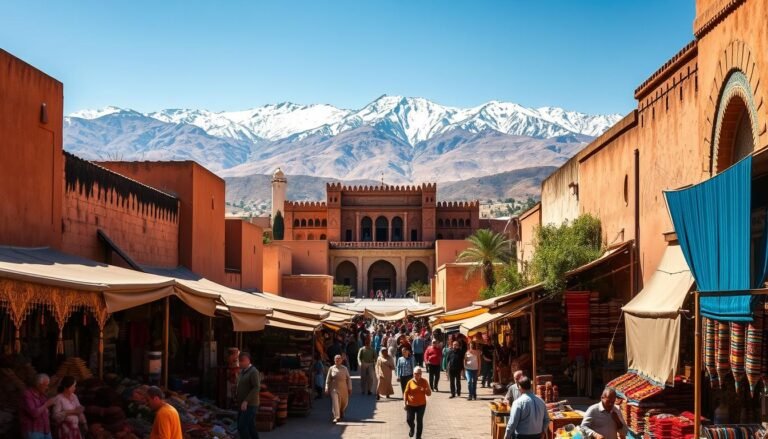
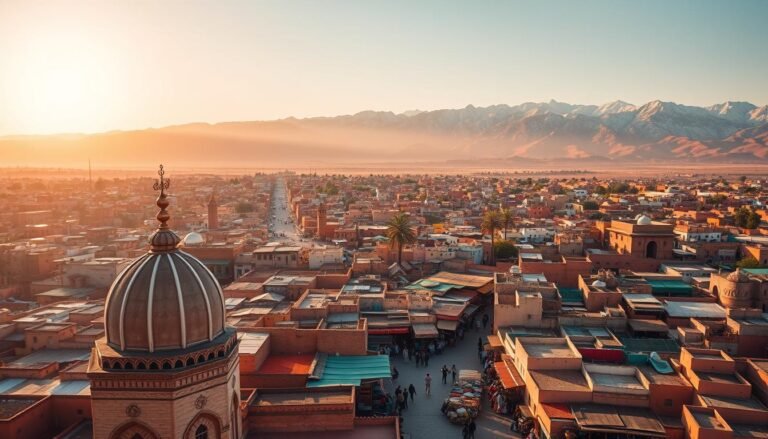
From the bustling food markets of Marrakech to the coastal seafood specialties, traditional cooking methods like slow-cooking in clay tagines have preserved authentic flavors, making Moroccan cuisine a feast for the senses.
The Rich Heritage of Moroccan Cuisine
Moroccan cuisine represents a fascinating blend of cultures, shaped by the country’s strategic location. Over thousands of years, various cultures have influenced Moroccan cuisine, leaving an indelible mark on its flavor profiles and cooking techniques.
Blending Cultures: Berber, Arab, and Mediterranean Influences
The indigenous Berber population contributed fundamental cooking techniques, such as grilling and slow cooking over hot coals. Arab influences introduced sophisticated spice combinations and the concept of balancing sweet and savory flavors. Mediterranean traditions, particularly from Andalusian Spain, brought new ingredients and refined cooking methods.
The Significance of Spices in Moroccan Cooking
Spices play a vital role in Moroccan cuisine, carrying cultural significance and medicinal properties. The unique spice blend, ras el hanout, which can contain up to 30 different spices, demonstrates the complexity and depth of authentic Moroccan food. As a key component, spices enhance flavors and define the character of Moroccan dishes.
Essential Ingredients in Moroccan Cooking
At the heart of Moroccan cuisine are ingredients that bring depth and complexity to its dishes. The rich flavors and aromas characteristic of Moroccan cooking are achieved through the use of a variety of spices, herbs, and other key ingredients.
Spices and Herbs That Define the Flavors
Moroccan cooking relies heavily on a curated selection of spices and herbs that give the cuisine its distinctive character. Cumin, coriander, cinnamon, and saffron are staples in many Moroccan spice blends, with regional variations in combinations and proportions. Fresh herbs like cilantro and parsley are used abundantly, contributing significantly to the flavor profile of dishes.
Olive Oil, Preserved Lemons, and Other Staples
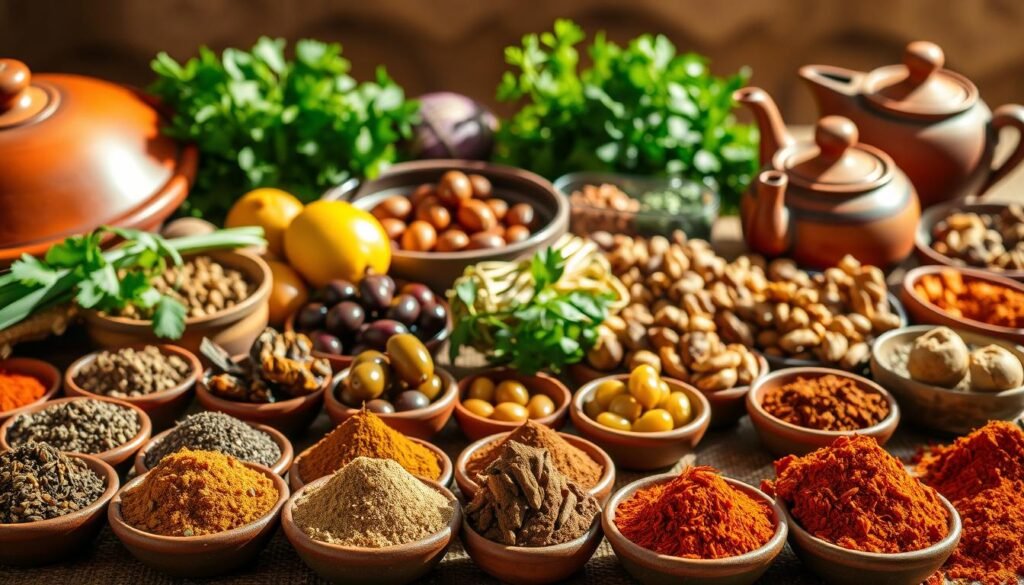
olive oil is essential in Moroccan cooking, used both as a cooking medium and a finishing touch. Preserved lemons, which undergo a fermentation process, add brightness and complexity to various dishes, including tagines. Other staples include honey for balancing savory dishes with sweetness and argan oil, a Moroccan specialty that adds nutty complexity to both savory and sweet preparations.
Tagine: The Iconic Moroccan Dish
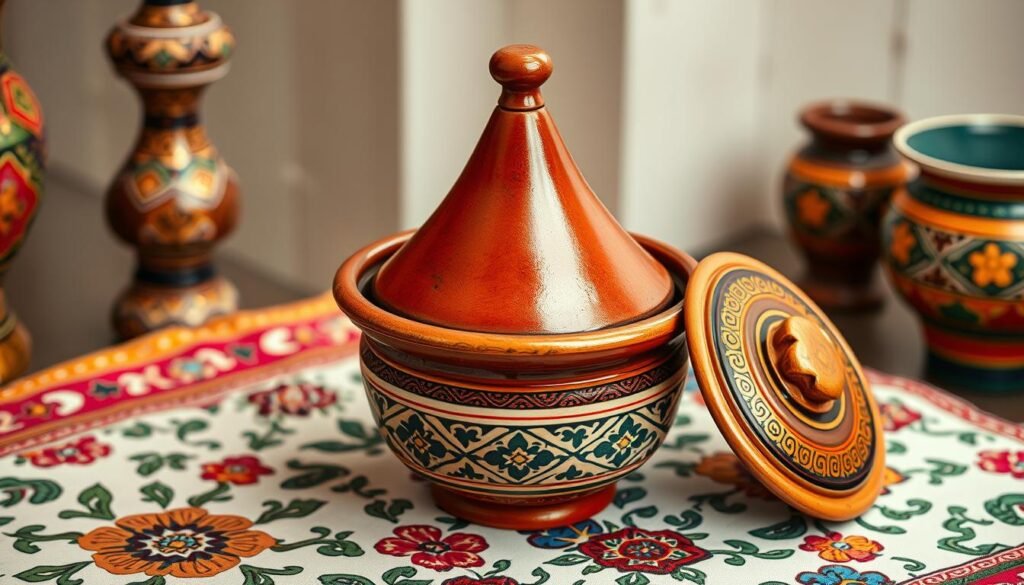
The iconic tagine is a symbol of Moroccan cooking, representing both a traditional cooking vessel and the delicious stews prepared within it. A tagine is characterized by its conical earthenware pot, which features a wide, shallow base for maximum heat distribution and a cone-shaped lid to condense the steam back into the food.
What Makes a Tagine Special
The ingenious design of the tagine pot creates a self-basting cooking environment that returns condensation to the dish, resulting in incredibly tender meat and vegetables infused with complex flavors.
Popular Tagine Varieties
Popular tagine varieties include chicken with preserved lemons and olives, lamb with prunes and almonds, and kefta (meatball) tagine with eggs – each showcasing the Moroccan talent for combining savory and sweet elements.
How to Cook an Authentic Tagine
To cook an authentic tagine, it’s essential to layer the ingredients correctly, starting with aromatics like onions at the bottom, followed by meat, vegetables, and finally garnishes like olives or preserved lemon. The slow, gentle heat allows the flavors to develop and meld together over several hours, creating a depth of taste that cannot be rushed.
Couscous: Morocco’s National Dish
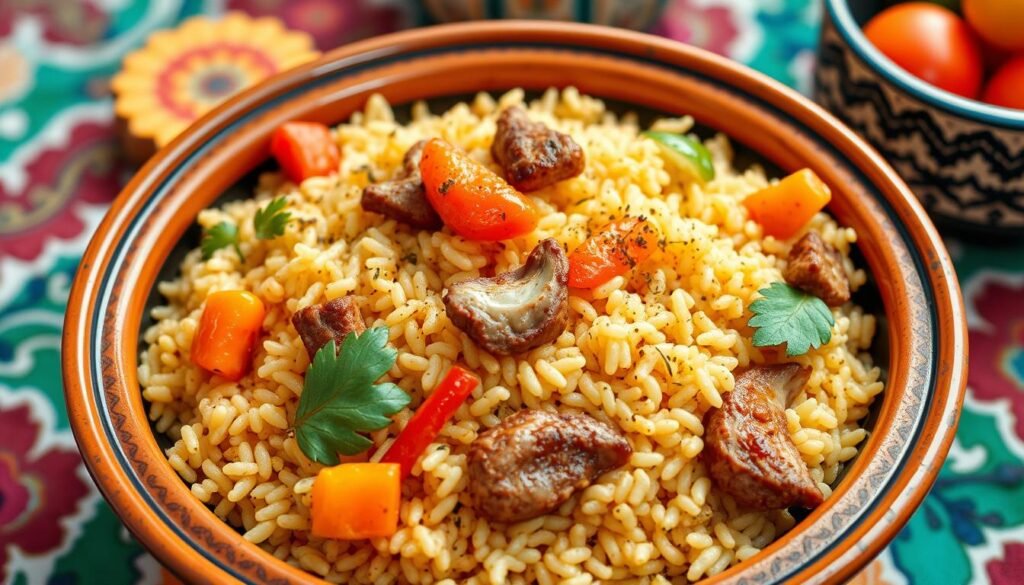
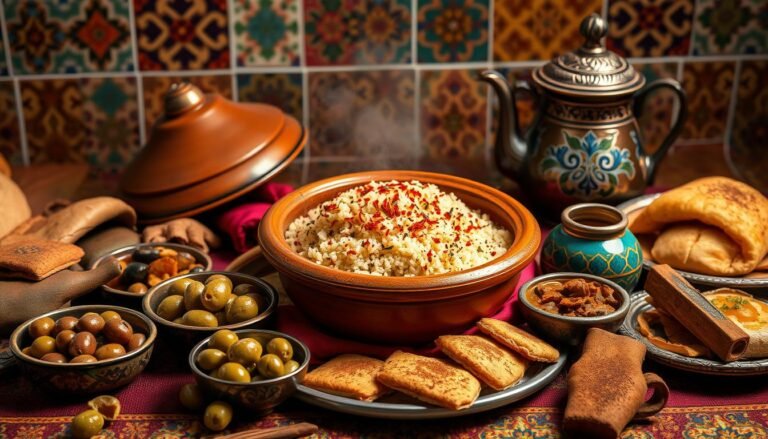
Couscous is more than just a staple in Moroccan cuisine; it’s a cultural phenomenon. This beloved national dish represents much more than just a food – it’s a cultural institution typically served on Fridays as a communal meal that brings families and communities together.
The traditional preparation of authentic couscous is labor-intensive and requires special equipment called a couscoussière – a two-part steamer where the grain cooks above a flavorful broth. Unlike the instant couscous familiar to many Westerners, traditional Moroccan couscous undergoes multiple steamings, with hand-fluffing between each stage to achieve the perfect light, fluffy texture.
Traditional Preparation Method
The preparation of couscous is an art form that requires patience and skill. The process involves steaming couscous over a flavorful broth, typically made with meat and vegetables, to infuse the grain with rich flavors.
The couscoussière is a crucial tool in this process, allowing the couscous to cook to perfection.
Regional Variations
Regional variations across Morocco showcase different combinations of vegetables, meat, and seasonings. The presentation of couscous is also an art form, with the grain typically mounded in a cone shape, topped with tender meat, and surrounded by colorful vegetables cooked in the fragrant broth, often served in a large bowl.
These variations highlight the diversity and richness of Moroccan cuisine.
Delicious Moroccan Soups and Stews
In Moroccan cuisine, soups and stews play a vital role, offering a blend of comfort, nourishment, and rich flavors. These dishes are not only a staple in daily meals but also hold significant cultural and social importance.
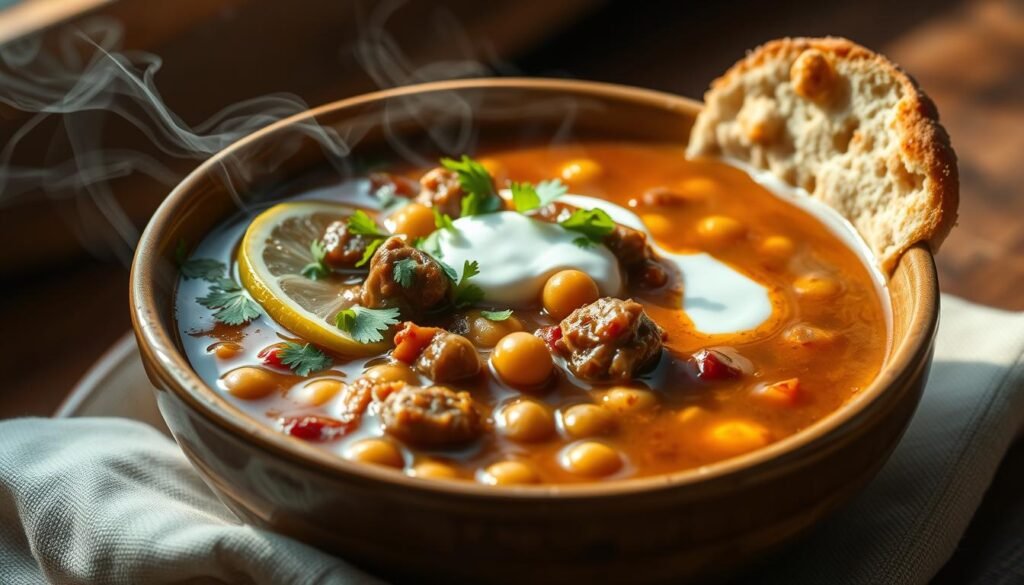
Harira: The Beloved Ramadan Soup
Harira is a spicy tomato, chickpea, and lentil soup that is a cornerstone of Moroccan cuisine, especially during Ramadan. It is traditionally served to break the fast at sunset, accompanied by dates and sweet pastries. The preparation of harira involves a delicate balance of spices, including cinnamon, ginger, and turmeric, finished with a squeeze of lemon juice and fresh herbs.
Bissara and Other Warming Broths
Beyond harira, other soups like bissara, a creamy fava bean soup, are popular, particularly in the northern regions during colder months. Bissara is often topped with olive oil and cumin, showcasing the simplicity and richness of Moroccan broth preparations. Other notable mentions include chorba, a hearty vegetable soup, and dchicha, a warming wheat berry stew, each highlighting the diversity and depth of Moroccan cuisine.
Moroccan soups and stews are often served in a communal bowl, fostering a sense of togetherness and warmth. Whether it’s a cold winter evening or a festive occasion, these dishes are central to Moroccan hospitality, offering nourishment and comfort to both family and guests.
Meat Dishes That Showcase Moroccan Cuisine
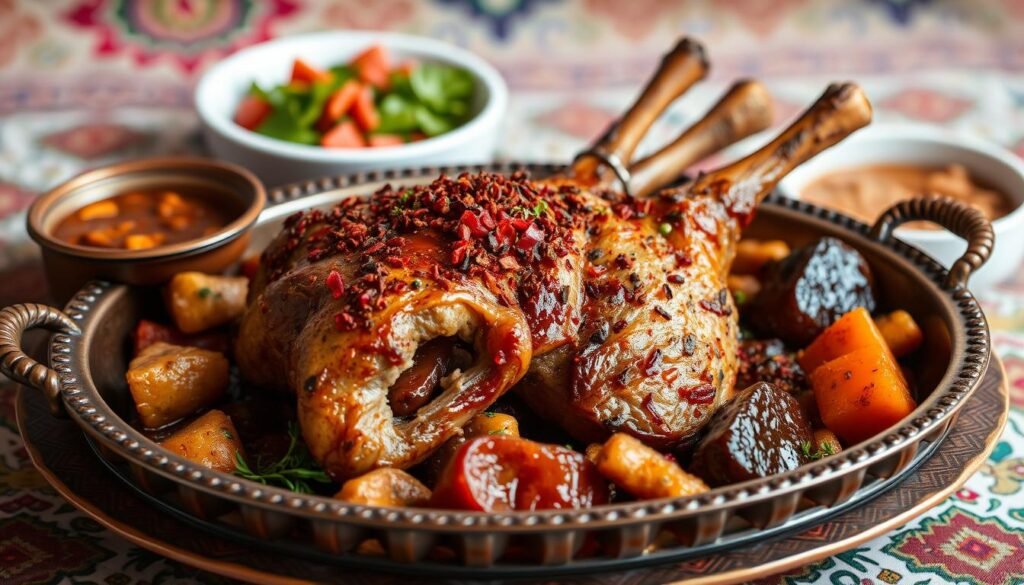
From slow-roasted lamb to savory tagines, Moroccan meat dishes are a testament to the country’s rich gastronomic heritage. These dishes not only showcase the country’s culinary expertise but also its cultural diversity.
Mechoui: Slow-Roasted Lamb
Mechoui, a celebration dish of slow-roasted whole lamb, represents Moroccan cooking at its most primal and impressive. The lamb is seasoned simply with salt and cumin, allowing the quality of the meat to shine through. Traditionally, mechoui is prepared by roasting a whole lamb either on a spit over a fire or in a pit in the ground.
Kefta Tagine with Eggs
Kefta tagine with eggs is a dish that showcases the Moroccan talent for creating layers of flavor. Spiced meatballs made from beef or lamb mince are simmered in a rich tomato and onion sauce. Just before the dish is ready, eggs are cracked into depressions in the sauce, cooking gently in the residual heat.
Lamb or Beef with Dried Fruits
The combination of lamb or beef with dried fruits like prunes, apricots, or dates is a signature of Moroccan cuisine. This dish highlights the culture’s skill at balancing savory and sweet elements within a single dish, creating a complex yet harmonious flavor profile.
Moroccan meat dishes demonstrate the culture’s talent for transforming simple ingredients into extraordinary meals through patient cooking and masterful spicing. Whether it’s the slow-roasted lamb of mechoui or the flavorful kefta tagine, each dish is a testament to the rich culinary heritage of Morocco.
Seafood Specialties from Morocco’s Coastline
Morocco’s seafood scene is characterized by its rich variety of fish and shellfish, often grilled to perfection or cooked in traditional tagines. The country’s extensive coastline along both the Atlantic Ocean and Mediterranean Sea has fostered a distinct seafood culture.
The coastal city of Essaouira is particularly famous for its seafood, with freshly caught fish sold at the port each morning and prepared in local restaurants with minimal intervention to showcase their quality. One of the most beloved preparations is fish chermoula, a vibrant marinade made with cilantro, parsley, garlic, cumin, paprika, and preserved lemon that transforms simple fish into a flavor explosion.
Fish Chermoula: A Flavorful Marinade
Chermoula is a combination of herbs and spices used as a marinade before grilling over coals and as a dipping sauce. This flavorful preparation is a staple in Moroccan seafood cuisine, elevating even the simplest fish dishes into culinary delights.
Sardines and Other Popular Fish Dishes
Sardines hold a special place in Moroccan seafood cuisine, often stuffed, grilled, or incorporated into tagines with meat and vegetables. Other popular preparations include fish tagine with vegetables and various grilled fish served with simple accompaniments that highlight their freshness.
- Morocco’s extensive coastline has fostered a rich tradition of seafood preparation.
- The coastal city of Essaouira is renowned for its freshly caught fish and seafood.
- Fish chermoula is a famous Moroccan seafood preparation featuring a vibrant marinade.
Vegetable Dishes and Salads
The diversity of Moroccan salads and vegetable preparations is a testament to the country’s culinary innovation and love for fresh ingredients. Vegetable dishes are not mere accompaniments; they are often the centerpiece of a meal, showcasing the rich flavors and textures of Morocco’s agricultural bounty.
Zaalouk: Smoky Eggplant Salad
Zaalouk, a cooked eggplant and tomato salad, is a staple in Moroccan cuisine. It’s served as a dip with fresh bread or as a side dish to complement main courses like tagine or couscous. The preparation involves charring eggplants to develop a smoky flavor, then combining them with sautéed tomatoes and garlic, and a blend of spices.
Colorful Moroccan Salad Varieties
Moroccan salads are diverse and vibrant, often featuring cooked vegetables served at room temperature with bold seasonings. A traditional Moroccan meal might start with an array of colorful salads, including carrots with cumin, cucumber with mint, or roasted peppers with preserved lemon. These salads create a mosaic of flavors and textures, demonstrating the Moroccan talent for extracting maximum flavor from simple ingredients.
- Vegetable dishes in Moroccan cuisine are far from mere side dishes; they often take center stage.
- The preparation of zaalouk involves carefully charring eggplants to develop a smoky flavor.
- Moroccan salads differ significantly from Western concepts, featuring cooked vegetables with bold seasonings.
| Salad | Main Ingredients | Flavor Profile |
|---|---|---|
| Zaalouk | Eggplant, Tomatoes, Garlic | Smoky, Spicy |
| Carrot Salad | Carrots, Cumin, Olive Oil | Earthy, Aromatic |
Bread and Pastries in Moroccan Dining
Moroccan dining is incomplete without the presence of freshly baked bread and pastries. These staples are fundamental to the country’s culinary identity, bringing people together and complementing a wide range of dishes.
Khobz: The Everyday Moroccan Bread
Khobz, the ubiquitous Moroccan white bread, is shaped into flattish rounds and served at every meal. Its hearty texture makes it perfect for soaking up the flavorful sauces of Moroccan meat and vegetable dishes. The communal aspect of bread-making remains important, with neighborhood ovens serving as gathering places for women to bake their shaped dough.
B’stilla and Other Savory-Sweet Pastries
B’stilla, a sweet and savory pie originating from Fez, is a masterpiece of Moroccan pastry-making. Traditionally filled with pigeon meat, it’s now often made with chicken, cooked, shredded, and combined with spices before being wrapped in layers of filo-type pastry, covered in sugar, and baked. The dish is then dusted with cinnamon and powdered sugar, showcasing the Moroccan talent for balancing contrasting flavors. Other notable pastries include briouat and rghaif, which offer a variety of savory and sweet options.
- Bread holds an almost sacred place in Moroccan culture and cuisine.
- The preparation of b’stilla represents the height of Moroccan culinary sophistication.
- Other notable Moroccan pastries include briouat and rghaif.
Sweet Treats and Desserts
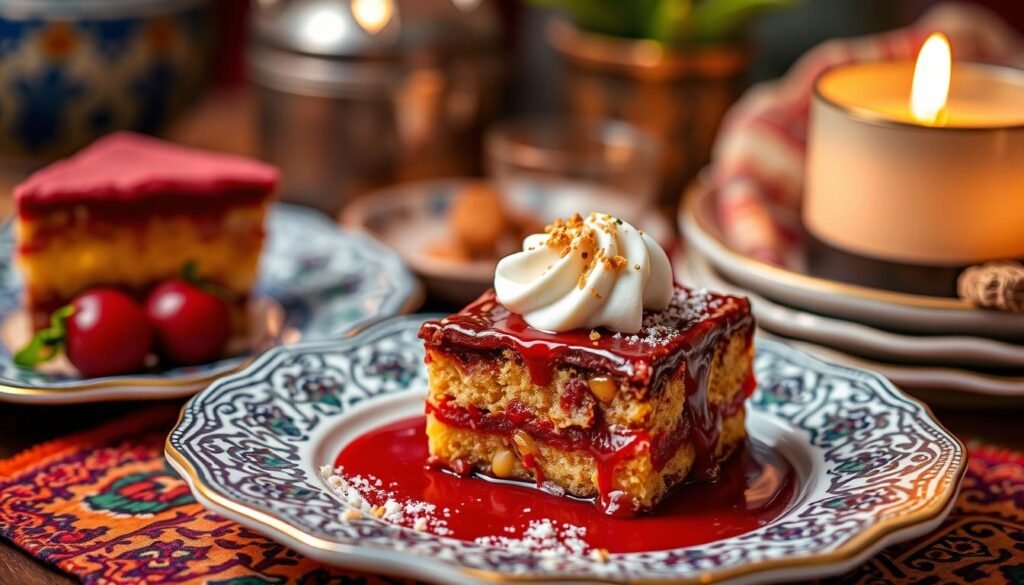
In Morocco, desserts are not just sweet treats but an integral part of the country’s culinary identity. Moroccan sweets are renowned for their intricate designs and delicious flavors, making them a treat for any occasion.
Kaab el Ghazal (Gazelle Horns)
Kaab el Ghazal, or “gazelle horns,” are delicious crescent-shaped cookies filled with almond paste flavored with orange blossom water. They are often served on special occasions such as weddings, showcasing the artistry and skill involved in Moroccan pastry-making.
Honey-Soaked Pastries and Date Confections
Honey-soaked pastries like chebakia (sesame cookies fried and soaked in honey) are particularly associated with Ramadan but enjoyed year-round. These sweet treats are often served alongside mint tea as a sweet counterpoint. Date confections, made with high-quality dates from Morocco’s oases, are another highlight, with dates often stuffed with almond paste or walnuts and rolled in sesame seeds or coconut.
Moroccan desserts reflect the culture’s love of contrasting flavors and textures, often combining nuts, honey, floral waters, and spices in delicate pastries and confections. The tradition of serving sweet treats with mint tea creates a perfect balance, with the unsweetened tea cutting through the intense sweetness of the pastries for a harmonious experience.
Conclusion: Embracing the Flavors of Morocco
Moroccan food is more than just a meal, it’s an experience that brings people together. With its rich spices and flavorful dishes like couscous and tagine, it’s a cuisine that delights.