Discover the Best Time to Visit Morocco
Visit Morocco: Morocco is a country that offers incredible diversity across its regions, making it a year-round destination with different optimal times depending on what you want to experience. From dreamy cities to seaside escapes, high mountain passes to haunting desert dunes, the country’s varied landscapes cater to all kinds of travelers.
The mild months from October to April attract tourists from the northern hemisphere, while the rest of the year, especially July and August along the coast, sees a mix of domestic and international travelers. Understanding Morocco’s seasonal patterns is crucial to maximizing your travel experience and avoiding extreme weather conditions.
This comprehensive guide will help you determine the ideal travel time based on climate considerations, regional variations, and your preferred activities, ensuring an optimal Moroccan experience.
Understanding Morocco’s Diverse Climate Regions
From the coastal areas to the Sahara Desert, Morocco’s climate regions are as diverse as they are fascinating. This diversity is a result of the country’s varied geography, which includes mountains, deserts, and coastal regions.
Mild Coastal Areas
The coastal regions of Morocco enjoy mild weather year-round, making them ideal for visitors seeking a relaxed climate. Cities like Essaouira and Rabat benefit from the moderating influence of the Atlantic Ocean, resulting in pleasant temperatures throughout the year.
Extreme Interior Cities
In contrast, the interior cities experience more extreme temperature variations. Places like Marrakesh can be very hot during the summer months, with temperatures often exceeding 40°C (104°F), while winters can be cool, especially in the mornings and evenings.
Seasonal Atlas Mountains
The Atlas Mountains offer a different climate experience, with seasonal changes that are perfect for hiking and trekking. The best time to visit is during spring and autumn when the weather is mild and conducive to outdoor activities.
Timing the Sahara Experience
Visiting the Sahara Desert requires careful planning due to its extreme climate. The optimal months for a desert experience are October to November and February to April, when the heat is manageable and the temperatures are not excessively cold at night. It’s worth noting that sandstorms can occur from January to May, and the desert camps are usually closed during the peak summer months due to the extreme heat.
Best Time to Visit Morocco by Season
With its diverse climate zones, Morocco offers different advantages and experiences throughout the year, depending on when you choose to visit.
Spring (March-May): Ideal Weather and Blooming Landscapes
Spring is a fantastic time to visit Morocco, with mild temperatures and blooming landscapes making it ideal for exploration. The High Atlas mountains are particularly beautiful during this season, with wildflowers in full bloom.
Daytime temperatures are pleasant, ranging from 15-25°C (59-77°F), making it perfect for adventure activities like hiking and trekking.
Summer (June-August): Heat, Festivals, and Coastal Retreats
Summer in Morocco can be very hot, especially in the desert regions, but it’s also a great time to enjoy the country’s festivals and coastal retreats. Cities like Essaouira and Agadir become popular destinations during this time.
The heat can be intense, with temperatures often reaching above 35°C (95°F) in the interior regions.
Fall (September-November): Perfect Balance of Weather and Crowds
Autumn is another excellent season to visit Morocco, offering a perfect balance of pleasant weather and smaller crowds. The temperatures begin to cool down, making it ideal for exploring the city and its surroundings.
The fall season is also a great time for outdoor activities, with comfortable daytime temperatures.
Winter (December-February): Mild Coastal Weather and Mountain Snow
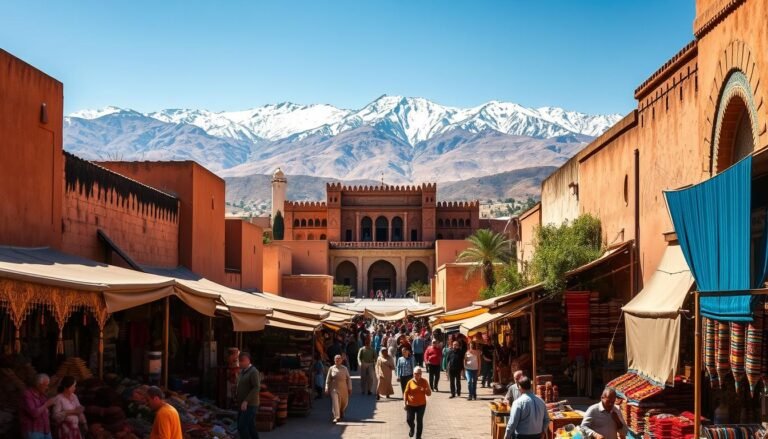
Winter transforms Morocco into a land of contrasts, with snow-capped Atlas Mountains visible from palm-fringed desert oases and sunny coastal city like Tangier.
- Coastal regions remain mild throughout winter with daytime temperatures typically between 15-20°C (59-68°F).
- The High Atlas Mountains receive significant snowfall, creating opportunities for skiing and winter sports.
- Desert regions offer their most comfortable daytime temperatures during winter.
| Season | Weather | Activities |
|---|---|---|
| Spring | Mild temperatures | Hiking, trekking |
| Summer | Hot | Festivals, coastal retreats |
| Fall | Pleasant temperatures | City exploration, outdoor activities |
| Winter | Mild coastal, snowy mountains | Skiing, winter sports |
Regional Guide: When to Visit Morocco’s Top Destinations
From the coastal towns to the desert landscapes, Morocco’s regions have unique climates that dictate the best times to visit. Understanding these regional variations is crucial for planning an unforgettable trip.
Marrakesh and Interior Cities: Avoiding the Heat
Marrakesh and other interior cities are known for their extreme temperature variations. The best times to visit these areas are during the spring (March to May) and autumn (September to November), when the weather is mild and pleasant. Summers can be scorching, with temperatures often exceeding 100°F (38°C), while winters can be cool, especially in the evenings.
Coastal Gems: Essaouira, Rabat, and Tangier
The coastal towns of Essaouira, Rabat, and Tangier offer a more temperate climate compared to the interior. These destinations are ideal for summer visits, as the ocean breeze keeps temperatures relatively mild. Spring and autumn are also excellent times to enjoy the coastal areas, with comfortable weather and fewer crowds.
Atlas Mountains: Hiking and Trekking Seasons
The Atlas Mountains are a hiker’s paradise, with the best trekking seasons being spring (March to May) and autumn (September to November). During these periods, the weather is generally mild, and the landscapes are particularly vibrant. Winters can be harsh, with significant snowfall, while summers are warm but can be crowded.
Sahara Experience: Best Months for Desert Camping

The Sahara Desert experience is highly dependent on timing. The best months for desert camping are October and May, when the temperatures are more manageable. Summers are extremely hot, with many desert camps closing from June to August. Winters can be cold, especially at night, but offer a unique experience under the starry sky. Desert activities are best scheduled during the early morning and late afternoon to avoid the peak heat.
Whether you’re looking to explore the bustling streets of Marrakesh, relax on the coastal beaches, hike through the Atlas Mountains, or experience the vastness of the Sahara Desert, understanding the regional climates and best times to visit will enhance your Moroccan adventure.
Planning Around Morocco’s Festivals and Events
Morocco’s vibrant cultural scene comes alive with numerous festivals and events throughout the year. These celebrations offer a unique opportunity to experience the country’s rich heritage and natural beauty.

Music and Cultural Festivals
During the summer months (June-September), Morocco hosts various music and cultural festivals that showcase the country’s diverse artistic talents. The Essaouira Gnawa Music Festival and the Fez Festival of World Cultures are two notable events that attract visitors from around the world. These festivals provide a platform for local and international artists to perform, creating a lively atmosphere that is not to be missed.
Religious Celebrations and Ramadan Considerations
Morocco is a predominantly Muslim country, and religious celebrations play a significant role in the cultural calendar. The month of Ramadan is a period of fasting and reflection, and while it can be a fascinating time to experience local culture, some tourist facilities may be closed or operate on reduced hours. Visitors can still enjoy iftar (break-fast) meals and experience the warm hospitality of the Moroccan people.
Regional Celebrations: Rose Festival, Almond Blossom Festival
Morocco’s regional festivals celebrate local harvests and natural phenomena, offering authentic experiences beyond the standard tourist circuit. The Rose Festival in Kelaat M’Gouna (typically May) and the Almond Blossom Festival in Tafraoute (February/March) are two such events that showcase the country’s diverse cultural traditions. These festivals often coincide with natural phenomena like blooming seasons or harvests, making them excellent opportunities to experience both cultural traditions and Morocco’s natural beauty.
Activity-Based Travel Planning for Morocco
The diverse landscapes and climates of Morocco make it an ideal destination for various activities, depending on the time of year. From outdoor adventures to cultural experiences, Morocco caters to a wide range of interests.
Best Times for Outdoor Adventures
Morocco’s varied terrain offers numerous opportunities for outdoor enthusiasts. The best times for hiking and trekking are during the spring (March-May) and fall (September-November), when the weather is mild and comfortable.
Hiking and Trekking Seasons
The Atlas Mountains are a popular destination for hikers, with the spring season offering blooming landscapes and the fall providing comfortable temperatures. In contrast, winter brings snow to the High Atlas, making it ideal for skiing.
Surfing, Kitesurfing, and Beach Activities
The coastal towns of Morocco, such as Essaouira and Taghazout, are renowned for their surfing and kitesurfing conditions. The summer months (June-August) are best for these activities, with consistent winds and warm weather.
Cultural Experiences and City Exploration
Morocco’s cities are rich in cultural heritage, with vibrant medinas, historical sites, and cultural festivals. The mild weather of spring and fall makes these seasons ideal for exploring cities like Marrakesh and Fez, allowing visitors to fully appreciate the sites without the harsh weather conditions.
Photography and Nature Observation
Morocco offers extraordinary photographic opportunities throughout the year, with each season presenting unique lighting conditions and natural phenomena. Spring brings wildflowers and green valleys, while fall offers golden light and clear skies. The desert landscapes are particularly dramatic during the winter months, with clear air and dramatic shadows making for great photography conditions. Wildlife observation is also rewarding, especially during the spring and fall migrations when many bird species stop at Morocco’s wetlands and coastal areas.
As one travel writer noted, “Morocco is a photographer’s paradise, with its diverse landscapes and rich cultural heritage providing endless opportunities for capturing stunning images.”
“The desert at sunrise or sunset is a sight to behold, with the changing light casting a golden glow over the dunes.”
Whether you’re spending a day exploring the medina or enjoying a peaceful night under the stars, Morocco has a way of making every moment memorable.
Conclusion: Choosing Your Perfect Time to Visit Morocco
Morocco’s diverse climate and rich cultural heritage make it a year-round destination, but timing your visit right is key to a memorable experience. The best time to visit Morocco is during spring (mid-March to May) or autumn (September to October), when the weather is warm but pleasant.
Ultimately, the ideal time for your trip depends on your personal preferences, planned activities, and the specific regions you wish to explore. While spring and fall offer balanced conditions for experiencing Morocco’s diversity, summer and winter provide unique opportunities, from cultural festivals to snow sports in the Atlas Mountains.
By adapting your itinerary to the local climate and events, you can create a rewarding travel experience. Morocco’s rich culture, diverse landscapes, and hospitable people ensure that there’s always something to enjoy, regardless of when you visit. With proper preparation and realistic expectations, your trip to Morocco will be an unforgettable adventure.