Find the best time to visit Spain for great weather, festivals, and unforgettable experiences.
Best time to visit spain: Planning a trip to Spain can be a daunting task, especially when considering the country’s diverse climate patterns and regional differences.
Spain offers a unique experience throughout the year, from sun-soaked beaches in summer to festive Christmas markets in winter.
The ideal season for your trip largely depends on your preferred activities and destinations within Spain.
Whether you’re seeking beach relaxation, cultural immersion, or gastronomic delights, understanding Spain’s seasonal variations will ensure you experience the country at its finest.
Spain’s Diverse Climate and Regional Differences
Spain’s climate is as diverse as its culture, varying significantly across different regions. The country’s geography plays a crucial role in shaping its climate, with the Atlantic Ocean to the north and the Mediterranean Sea to the east influencing weather patterns.
Northern vs. Southern Spain Weather Patterns
The climate in Spain varies dramatically between the north and the south. Southern Spain, particularly the region of Andalusia, is known for its hot and dry summers, while the northern Atlantic coast experiences more rainfall and cooler temperatures. The Basque Country and northern regions have a more temperate climate, influenced by the Atlantic Ocean, resulting in less extreme seasonal variations.
The contrast between northern and southern Spain is stark, with the south enjoying over 300 days of sunshine annually, making it a popular destination for sun-seekers. In contrast, the north can be quite cool and wet, especially during the winter months.
Coastal Areas vs. Inland Cities
The climate also differs significantly between coastal areas and inland cities. The Mediterranean coastal areas enjoy mild winters and hot summers, making them ideal for beachgoers. In contrast, inland cities like Madrid and Seville experience more extreme temperature variations, with hot summers and cold winters.
Understanding these regional climate differences is essential for planning a trip to Spain, ensuring that visitors can make the most of their time in the country. Whether you’re looking for sun, culture, or adventure, Spain’s diverse climate means that there’s something for everyone, regardless of the time of year you visit.
Spring in Spain: Blossoming Landscapes and Mild Weather
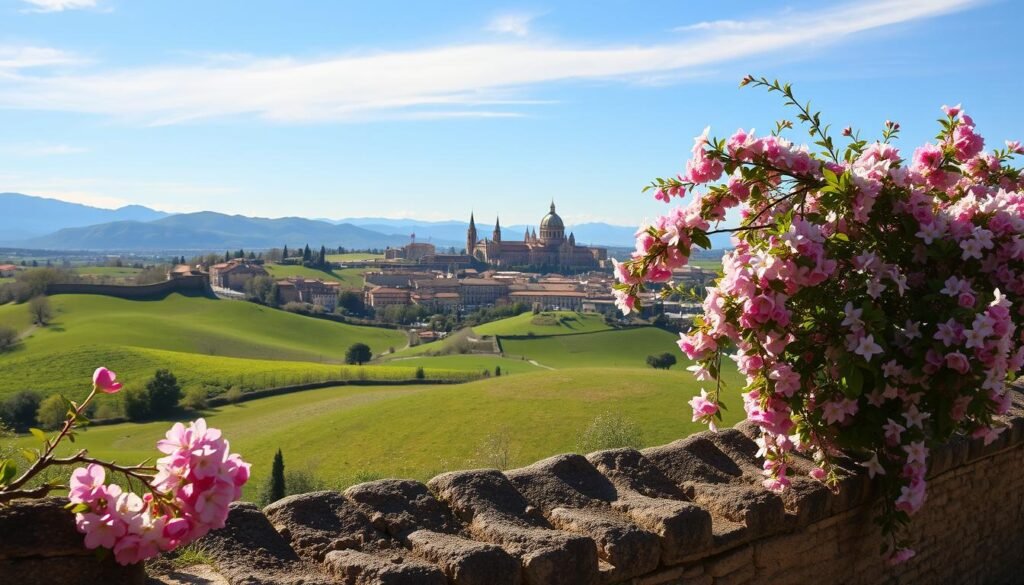
With the arrival of spring, Spain’s landscapes are painted with vibrant hues, making it an ideal time to visit. The season brings a welcome change from the cooler winter months, with mild temperatures and longer days.
March to April: Holy Week Celebrations and Awakening Nature
Spring in Spain begins with the Holy Week (Semana Santa) celebrations in March and April, a period of significant religious and cultural importance. Cities like Seville in Andalusia are particularly known for their elaborate processions, which fill the streets for seven days. As nature awakens, wildflowers start to bloom, and city parks come alive with vibrant displays, transforming Spain into a colorful paradise.
March and April are great months to experience Spain’s rich cultural heritage and witness the beauty of nature as it awakens from its winter slumber.
May: Ideal Temperatures and Pre-Peak Season Advantages
May is considered one of the best times to visit Spain, with warm weather averaging 20-25°C (68-77°F) during the day and cool evenings perfect for outdoor dining. Visitors can enjoy popular attractions like Barcelona’s Sagrada Familia and Madrid’s museums without the peak season crowds. The pre-peak season also offers better availability at restaurants and accommodations, more authentic local experiences, and generally lower prices for flights and hotels.
The pleasant temperatures and fewer crowds make May an ideal time for hiking in regions like the Pyrenees or Sierra Nevada, as trails become accessible after winter but before the summer heat sets in.
Overall, spring is a fantastic season to visit Spain, offering a mix of cultural experiences, pleasant weather, and the beauty of nature in bloom.
Summer in Spain: Sun-Soaked Beaches and Vibrant Nightlife
Spain comes alive in the summer, offering a perfect blend of beach relaxation, cultural experiences, and energetic nightlife. The country’s diverse regions transform during the summer months, catering to both locals and tourists seeking to escape the heat of inland cities.
Peak Season Experiences in Coastal Towns
Summer is the peak season for Spain’s coastal towns, which become bustling hubs of activity. From June to August, these towns are filled with tourists and locals alike, enjoying the warm weather and beach culture. June is particularly appealing as it offers warm temperatures without the intense heat of July and August, making it an ideal time to experience the full summer vibe with fewer tourists.
The coastal regions, from Barcelona to Malaga, are transformed into lively destinations with packed beaches, vibrant festivals, and extended daylight hours perfect for enjoying Spain’s famous nightlife. The Andalusia region stands out with its whitewashed buildings, Blue Flag beaches, and all-day sunshine, making it a truly magical destination during the summer.
Managing the Summer Heat and Crowds
While summer is a great time to enjoy Spain’s beaches and coastal towns, it also brings intense heat and crowds. Inland cities like Madrid and Seville can be particularly challenging, with temperatures often exceeding 35°C (95°F). To manage the heat, smart travelers plan their sightseeing early in the morning or late in the evening, avoiding the midday sun.
To beat the crowds, visitors can take advantage of skip-the-line tickets for popular attractions and adopt the Spanish siesta schedule, resting during the hottest part of the day. Summer is also an excellent time to explore Spain’s island destinations like Ibiza, Mallorca, and the Canary Islands, where ocean breezes moderate the heat and beach culture is at its peak.
| Region | Summer Highlights | Tips for Visitors |
|---|---|---|
| Andalusia | Whitewashed buildings, Blue Flag beaches, lively nightlife | Enjoy the beaches early morning or late evening |
| Ibiza, Mallorca, Canary Islands | Moderate heat, peak beach culture | Take advantage of ocean breezes and island tours |
| Madrid, Seville | Cultural experiences, historical landmarks | Plan sightseeing during cooler parts of the day |
Autumn in Spain: Harvest Season and Cultural Delights
Spain in autumn is a treat for the senses, with comfortable temperatures, fewer crowds, and a calendar full of festivals and harvest activities. As the summer heat dissipates, the atmosphere becomes more relaxed, making it an ideal time to explore Spain’s diverse regions.

September to October: Perfect Weather and Fewer Tourists
The months of September and October are particularly appealing, with temperatures ranging from 18-25°C (64-77°F), making them perfect for sightseeing and outdoor activities. “The air turns crisp, especially at night, and the sky darkens to a deep, rich blue, without a hint of haze,” as one traveler described. It’s still warm enough to enjoy beach days, yet cool enough to appreciate the street life with a lightweight jacket.
During these months, popular destinations are less crowded, allowing for a more authentic experience of Spain’s culture and daily life. Visitors can enjoy fewer crowds at major attractions, making it a great time to explore cities like Madrid and Barcelona.
Wine Harvests and Regional Autumn Festivals
Autumn is also a significant season for wine enthusiasts, as it’s the time for the grape harvest (vendimia) in regions like La Rioja, Ribera del Duero, and Penedès. These areas come alive with wine-related events, from traditional grape stomping to harvest festivals that have been celebrated for centuries. The wine harvests offer a unique opportunity to participate in local traditions and taste some of Spain’s finest wines.
Regional autumn festivals are another highlight, showcasing Spain’s rich cultural heritage. Events like Barcelona’s La Mercè in September feature human tower competitions, fire runs, and street performances, providing an immersive cultural experience. As one traveler noted, “It’s also a good time to see the harvest fairs, religious celebrations, and fiestas de pueblos (town festivals) that seem to crop up in almost every village.”
Winter in Spain: Mild Temperatures and Festive Atmosphere
Winter in Spain brings a unique charm with its mild temperatures and festive atmosphere. While the northern parts of Spain can be quite cool, the southern regions enjoy mild winters, making it an ideal time to visit Spain for those who prefer fewer crowds.
November to December: Christmas Markets and Traditions
As winter sets in, November and December transform Spanish cities with festive decorations, Christmas markets (mercadillos de Navidad), and special seasonal foods like turrón (nougat) and polvorones (shortbread). The atmosphere is lively, with many cities hosting ice skating rinks and festive light displays, making it a magical time to visit for families and couples alike.
| Region | Average Temperature (°C) | Festive Highlights |
|---|---|---|
| Andalusia | 15-18 | Christmas markets, Three Kings’ Day parades |
| Canary Islands | 18-22 | Mild weather, festive celebrations |
| Northern Spain | 8-12 | Christmas traditions, festive foods |
January to February: Off-Season Travel and Three Kings’ Day
January brings the celebration of Three Kings’ Day (Día de los Reyes Magos) on January 6th, Spain’s main gift-giving holiday featuring colorful parades and special pastries like Roscón de Reyes. The winter season is also a great time for off-season travel, with significant savings on accommodations and flights, making it an economical time to explore Spain’s cultural treasures and museums.
During these days, visitors can enjoy authentic Spanish culture with minimal tourist crowds, allowing for more meaningful interactions with locals. The mild temperatures in the south make it an ideal month to visit southern regions like Andalusia and the Canary Islands.
The Best Time to Visit Spain Based on Your Destination
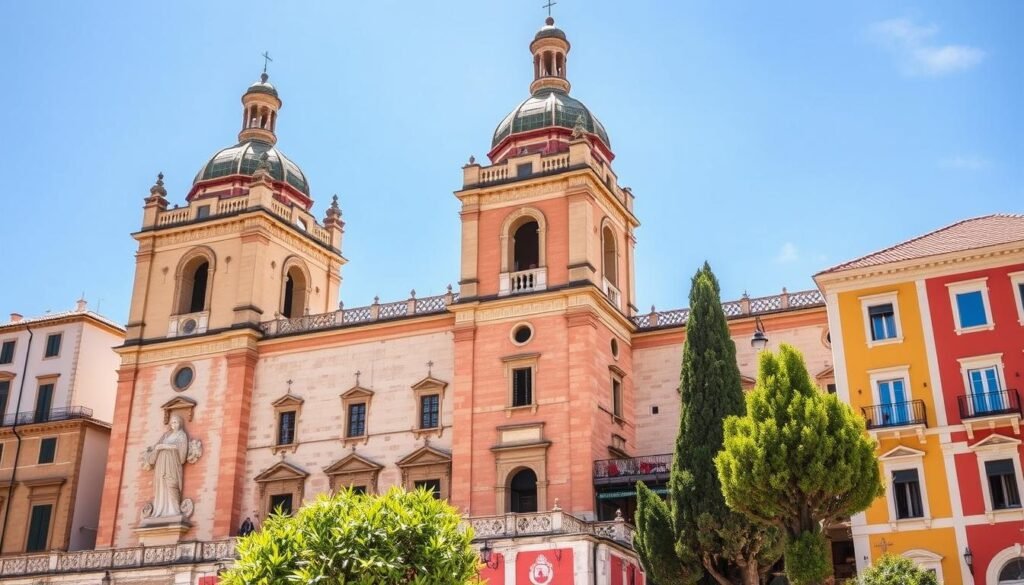
When planning a trip to Spain, understanding the best time to visit different regions can greatly enhance your travel experience. Spain’s diverse climate means that the ideal time to visit varies significantly from one region to another.
Barcelona and Madrid: Urban Exploration Calendar
Barcelona is best visited in May-June or September-October when you can enjoy pleasant temperatures for exploring Gaudí’s masterpieces like the Sagrada Familia without the summer crowds overwhelming the city. Similarly, Madrid experiences extreme temperature variations, making spring (April-May) and fall (September-October) ideal for exploring the capital’s world-class museums and vibrant neighborhoods.
Costa del Sol and Andalusia: Sunshine Year-Round
The Costa del Sol lives up to its name with over 320 days of sunshine per year, making it one of Spain’s most reliable year-round destinations, though July and August bring intense heat and crowds. Andalusia’s inland cities like Seville and Córdoba are best avoided in summer when temperatures regularly exceed 40°C (104°F), making spring and fall the perfect seasons to explore this culturally rich region.
Basque Country and Northern Spain: Avoiding Rainfall
The Basque Country and northern Spain experience significantly more rainfall than the rest of the country, with the driest months being July and August, making late summer the optimal time to visit cities like San Sebastián and Bilbao. Each region of Spain has its own microclimate and optimal visiting times, requiring travelers to research their specific destinations rather than applying a one-size-fits-all approach to planning.
Must-Experience Spanish Festivals Throughout the Year
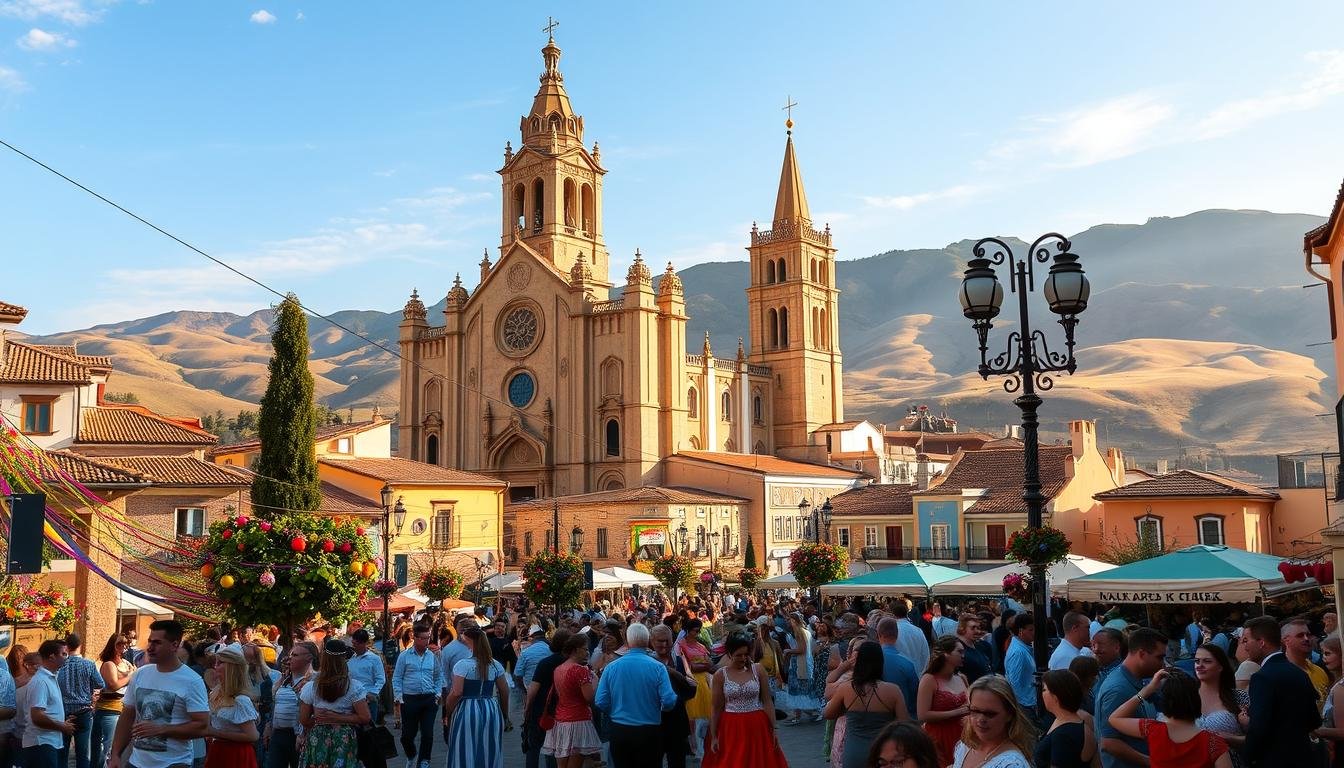
Experience the rich cultural heritage of Spain through its numerous festivals, each with its own unique traditions and celebrations. Spain’s festival calendar is packed year-round with unique celebrations that showcase the country’s rich cultural heritage and provide unforgettable experiences for visitors.
Spring Festivals: Feria de Abril and Las Fallas
Spring brings the colorful Feria de Abril in Seville, featuring flamenco dancing, horse parades, and casetas (tents) where locals and visitors gather to celebrate Andalusian culture for six days. Additionally, Las Fallas in Valencia (March 15-19) transforms the city with hundreds of giant satirical sculptures that are ultimately burned in spectacular nighttime displays, accompanied by fireworks and street parties.
Summer Celebrations: La Tomatina and San Fermín
Summer’s most famous festivals include San Fermín in Pamplona (July 6-14), known for the running of the bulls, and La Tomatina in Buñol (last Wednesday in August), the world’s largest tomato fight. These events attract visitors from around the globe and are a testament to Spain’s vibrant cultural scene.
Autumn and Winter Events: La Mercè and Christmas Traditions
As the year comes to a close, La Mercè in Barcelona (September) offers four days of Catalan traditions, including human towers (castellers), fire runs (correfocs), and free concerts throughout the city. Winter festivals include elaborate Christmas celebrations and Three Kings parades in January, while February brings carnival celebrations to cities like Cádiz and Tenerife, rivaling the famous Rio Carnival.
Planning your visit around these festivals provides a deeper understanding of Spanish culture and traditions, though accommodations should be booked well in advance as cities fill quickly during major events. As a visitor, you can immerse yourself in the local culture and create unforgettable memories by participating in these unique celebrations.
Planning Your Spanish Adventure by Interest and Activity

Planning a trip to Spain involves more than just choosing a travel date; it’s about aligning your visit with your interests. Whether you’re a beach lover, a cultural enthusiast, a foodie, or an adventure seeker, Spain has a plethora of experiences waiting for you.
Beach Holidays: Prime Months for Spanish Shores
For those looking to enjoy Spain’s beautiful beaches, June and September are ideal. These months offer warm sea temperatures and manageable crowds on both the Mediterranean and Atlantic coasts. The Spanish coast is diverse, ranging from the wild Atlantic beaches of Galicia to the calm Mediterranean coves of the Costa Brava.
Cultural and Historical Tours: Optimal Timing
Cultural tourists will find the shoulder seasons (April-May and September-October) perfect for exploring Spain’s rich historical heritage. The comfortable temperatures and shorter lines at major attractions make these periods ideal for visiting cities like Barcelona and Madrid.
Food and Wine Experiences: Seasonal Gastronomic Delights
For food-focused travelers, Spain’s culinary calendar is a guide to planning the perfect visit. Spring is the time for fresh vegetables and seafood, while summer brings gazpacho and paella. Autumn is the season for mushrooms and game, and winter is ideal for hearty stews and cocidos. Wine lovers can combine their Spain Portugal itinerary to experience both countries’ wine regions, with autumn offering harvest festivals and spring providing lush vineyard landscapes.
- Beach enthusiasts should target June or September for the perfect balance of warm sea temperatures and manageable crowds on Spain’s Mediterranean and Atlantic shores.
- Cultural tourists will find the shoulder seasons (April-May and September-October) ideal for exploring Spain’s rich historical heritage, with comfortable temperatures and shorter lines at major attractions.
- Food-focused travelers should plan their visits around seasonal specialties: spring for fresh vegetables and seafood, summer for gazpacho and paella, autumn for mushrooms and game, and winter for hearty stews and cocidos.
- Wine lovers can combine their Spain Portugal itinerary to experience both countries’ wine regions, with autumn offering harvest festivals and spring providing lush vineyard landscapes.
- Hiking and outdoor adventures are best planned for spring in southern regions and summer in northern areas like the Picos de Europa or the Camino de Santiago routes.
- Customizing your visit based on specific interests ensures you experience the best Spain has to offer, whether you’re seeking art museums, architectural wonders, culinary experiences, or natural landscapes.
Conclusion: Choosing Your Perfect Time to Visit Spain
As you plan your Spanish adventure, understanding the best time to visit Spain is crucial for an unforgettable experience. The ideal time depends on various factors, including your preferences, tolerance for crowds, and the experiences you’re seeking.
For most travelers, spring (April-May) and fall (September-October) offer the most balanced experience, with pleasant weather and moderate crowds. These seasons provide full access to attractions across the country, making them ideal for exploring Spain’s diverse regions.
Summer remains the peak season for beach vacations and island hopping, while winter provides unique opportunities to experience authentic local culture and festive traditions. Food and wine enthusiasts should plan around harvest seasons and festivals showcasing Spain’s regional cuisines and world-class wines.
Whether you’re planning a Spain Portugal coastal tour or a cultural immersion in historic cities, this guide helps you identify the perfect time for your specific Spanish journey. Remember to engage with locals for invaluable insights into hidden gems and optimal timing for authentic experiences.
With its warm hospitality, stunning architecture, and vibrant culture, Spain ensures an unforgettable trip in any season. By considering your preferences and the characteristics of each season, you can plan a trip that meets your expectations.