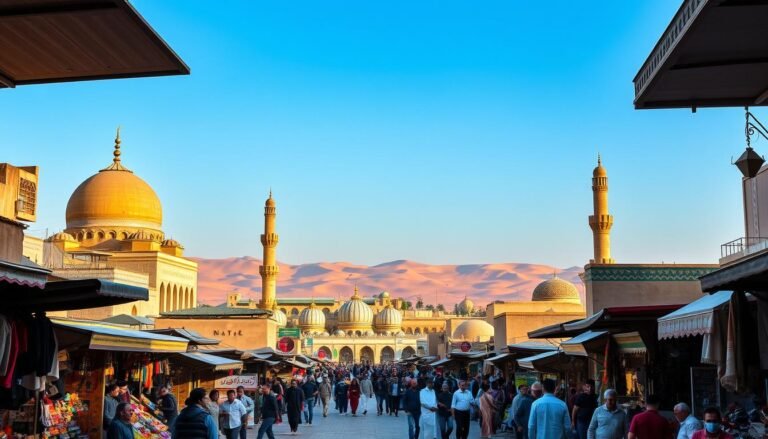
Savvy Strategies for Budget-Friendly Travel
Budget travel tips: Traveling can be expensive, but with the right strategies, you can significantly reduce costs while still having amazing experiences.
By being mindful of your travel expenses, you can make the most of your trip without breaking the bank. This involves identifying your priorities and allocating your money accordingly.
To make your travel dreams a reality, it’s essential to save on the four main categories: transportation, accommodation, food, and activities. By implementing savvy strategies, you’ll be able to save money and enjoy your trip to the fullest.
With these expert travel tips, you’ll learn how to maximize your budget and have a memorable experience.
Understanding the Value of Budget Travel
Understanding the value of budget travel can significantly enhance your travel experiences. It’s about being mindful of your expenses and making intentional decisions on how to allocate your resources. By doing so, you can enjoy your trip without breaking the bank.
Defining Your Travel Goals and Priorities
Before you start planning your trip, it’s essential to define your travel goals and priorities. What do you want to achieve from your trip? Is it to explore new cultures, relax on a beach, or adventure through new landscapes? By identifying your priorities, you can allocate your budget accordingly. For instance, if trying local cuisine is a priority, you might allocate a larger portion of your budget to food expenses.
The Four Main Travel Expense Categories
There are four primary travel costs: transportation, accommodation, food, and activities. Understanding these categories can help you plan your budget more effectively. Here’s a breakdown:
- Transportation costs include flights, trains, buses, and local transit options.
- Accommodation expenses can vary greatly depending on your choices, from budget hostels to luxury hotels.
- Food costs depend on whether you choose to self-cater, eat street food, dine casually, or enjoy fine dining experiences.
- Activity expenses cover museum admissions, guided tours, and other entertainment options.
| Expense Category | Description | Budget Allocation Tips |
|---|---|---|
| Transportation | Includes flights, trains, buses, and local transit. | Book in advance to save on flights and research local transit options. |
| Accommodation | Ranges from budget hostels to luxury hotels. | Consider budget-friendly options like hostels or vacation rentals. |
| Food | Varies based on self-catering, street food, casual dining, or fine dining. | Balance dining out with self-catering to save money. |
| Activities | Covers museum admissions, guided tours, and entertainment. | Research free or low-cost activities and consider city passes. |
As travel expert Laura Stone once said, “The key to successful budget travel is not just cutting costs, but making every dollar count towards your travel experience.” By understanding your priorities and the main expense categories, you can make informed decisions to maximize your travel budget.
Planning Your Trip: The Foundation of Budget Travel
A well-planned trip is the foundation upon which a memorable and affordable travel experience is built. Effective planning not only helps in managing expenses but also enhances the overall quality of the trip.
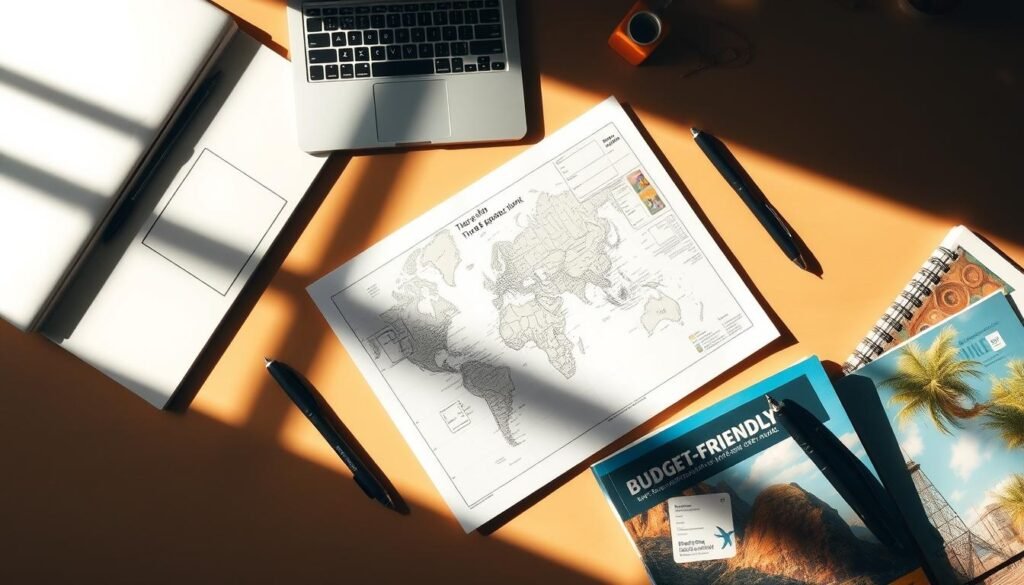
Setting a Realistic Travel Budget
Setting a realistic travel budget is the first step towards a cost-effective trip. It involves understanding your financial limits and allocating resources accordingly. To achieve this, identify the four main travel expense categories: transportation, accommodation, food, and activities. By prioritizing your spending based on these categories, you can ensure that your trip remains within budget.
When planning your budget, consider the cost of transportation to and from your destination, as well as any local travel. Advance booking can often lead to significant savings on flights, trains, and buses. Additionally, research affordable accommodation options such as hostels, guesthouses, or vacation rentals.
Creating a Flexible Itinerary
Creating a flexible itinerary is crucial for making the most of your trip without overspending. While it’s beneficial to have a structured plan, leaving some room for spontaneity can lead to unexpected and memorable experiences. Research your destination to identify free or low-cost activities and attractions, and schedule them on days when major attractions offer free entry.
- Balance planned activities with free time to explore and discover local gems.
- Consider the pace of your travel to avoid frequent changes in destination, which can increase transportation costs.
- Leave room in your schedule for recommendations from locals or fellow travelers, which can lead to authentic experiences.
By being flexible and open to new experiences, you can enjoy your trip without breaking the bank. A well-crafted itinerary strikes a balance between planned activities and the freedom to explore, making for a more enjoyable and cost-effective travel experience.
Timing Your Trip for Maximum Savings
Timing is everything when it comes to travel, and savvy travelers know that the right season can make all the difference. Choosing when to travel can significantly impact your expenses and the overall quality of your trip.
Benefits of Off-Season Travel
Traveling during the off-season can offer substantial savings, as prices for accommodations and tourist attractions tend to be lower. However, it’s essential to consider the potential downsides, such as unfavorable weather conditions or reduced services at your destination. Some places, like a Mediterranean island, may not be ideal to visit during the off-season due to poor weather.
Taking Advantage of Shoulder Seasons
A more balanced approach is to travel during the shoulder season, the period just before or after the peak tourist season. This strategy allows you to enjoy good weather, lower prices, and fewer crowds. For instance, visiting Europe in May or September can provide pleasant conditions without the peak season prices. I traveled to Croatia in May and found that attraction entrance fees were sometimes half the price they would have been in July and August.
Some benefits of traveling during the shoulder season include:
- Enjoying good weather without the peak season crowds.
- Experiencing lower prices for accommodations and activities.
- Having a more authentic experience as locals aren’t overwhelmed by tourists.
By carefully researching your destination and identifying its unique shoulder season periods, you can make the most of your travel plans and enjoy a more relaxed and affordable experience.
Choosing Budget-Friendly Destinations
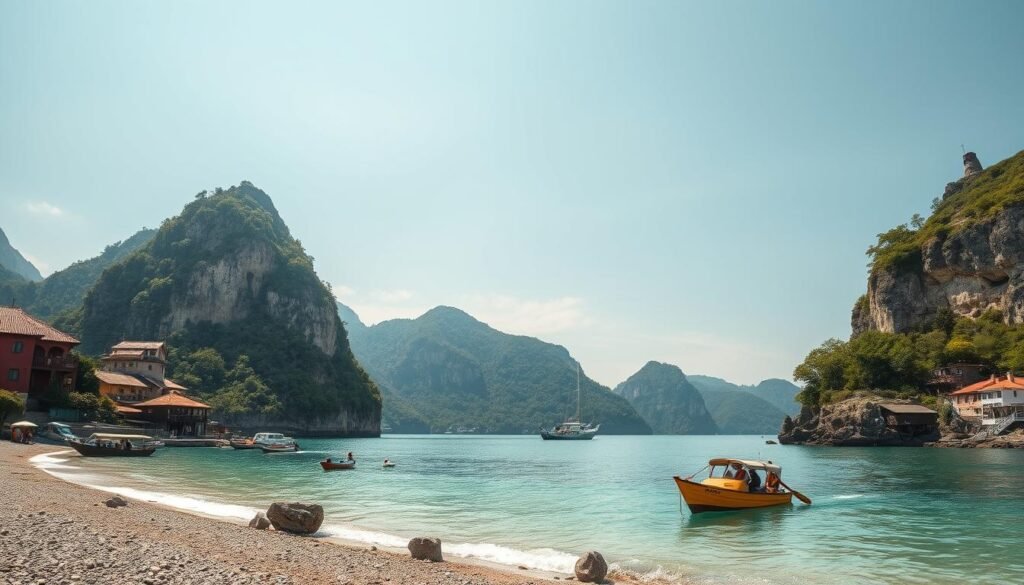
Travelers on a budget often seek out affordable destinations that offer a rich cultural experience without the hefty price tag. The key to a budget-friendly trip lies in selecting the right place to visit.
Countries with Lower Cost of Living
One of the most effective ways to save money while traveling is to visit countries with a lower cost of living. These countries offer affordable accommodation, food, and activities, making them ideal for budget-conscious travelers. For instance, exploring southern Italy or Andalusia in Spain can be more budget-friendly than visiting major cities like Rome or Barcelona.
Less Touristy Alternatives to Popular Spots
Opting for less touristy alternatives can significantly reduce prices. Consider visiting city like Bologna instead of Florence, or Valencia instead of Barcelona, for a similar cultural experience at a lower cost. These secondary city often offer excellent cultural attractions, dining option, and accommodation at prices 20-40% lower than their more famous counterparts.
Venturing just 30-60 minutes outside major tourist hubs can reveal charming towns and villages with lower prices and fewer crowds. This strategy not only saves money but also provides a more authentic travel experience. By choosing budget-friendly destinations and being mindful of travel expenses, travelers can enjoy a fulfilling journey without breaking the bank.
Essential Budget Travel Tips for Finding Cheap Flights
Unlocking the world of budget travel begins with mastering the art of finding cheap flights, a skill that can be developed with the right knowledge and tools. With the rise of digital travel platforms, comparing prices and finding the best deals has never been easier.
Best Flight Search Engines and Tools
To find the cheapest flights, it’s essential to use the right flight search engines and tools. Some of the top options include:
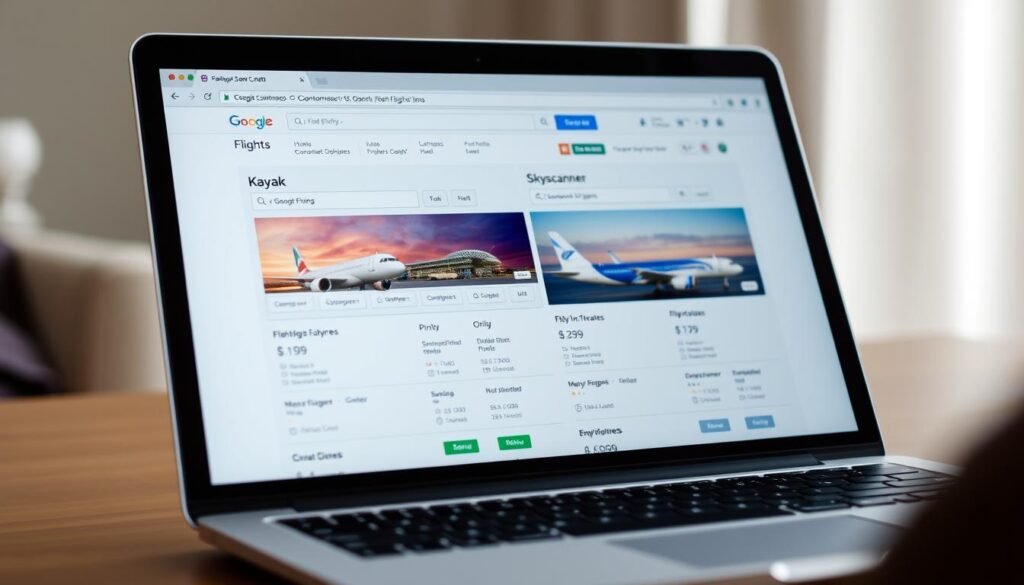
Google Flights is renowned for its comprehensive search capabilities and calendar view, which helps identify the cheapest days to fly. Skyscanner, on the other hand, offers a “Everywhere” search option that allows users to find flights to anywhere in the world without specifying a destination. Kayak is another powerful tool that provides price forecasts, helping travelers decide when to book.
Strategies for Booking at the Right Time
Booking flights at the right time can significantly impact the cost. Being flexible with travel dates is crucial, as prices can vary greatly depending on the day of the week and time of year. Generally, flying out on Tuesdays and Wednesdays can lead to cheaper flights.
Leveraging Airline Rewards and Points
For those who frequently travel, airline rewards and points can be a game-changer. Signing up for airline loyalty programs and using travel rewards credit cards can accumulate points over time, leading to free or discounted flights. Here are some tips:
- Sign up for airline loyalty programs even before you have specific travel plans.
- Consider travel rewards credit cards that offer substantial sign-up bonuses.
- Look beyond your primary airline to partner carriers within the same alliance.
- Be strategic about when you redeem points, focusing on high-value redemptions.
- Maintain flexibility with travel dates when booking award flights.
By combining these strategies and staying informed, travelers can maximize their savings and enjoy more frequent and affordable travel.
Navigating Transportation Options While Traveling
Mastering transportation options while traveling can significantly enhance your overall travel experience. Understanding the various modes of transportation available and how to utilize them effectively is crucial for a smooth and enjoyable trip.
Public Transit vs. Rental Cars vs. Taxis
When deciding on transportation, travelers often face the dilemma of choosing between public transit, rental cars, and taxis. Public transit is generally the most affordable option and provides an authentic local experience. In contrast, rental cars offer flexibility, especially for longer trips or when traveling with a group. Taxis, while convenient, can be more expensive but are useful for shorter journeys or when carrying heavy luggage.
Rail Passes and Transportation Cards
Rail passes, such as Eurail for Europe or Japan Rail Pass, can offer substantial savings for travelers planning multiple train journeys. It’s essential to calculate whether a rail pass makes financial sense by comparing its cost against individual ticket prices for your planned routes. Many cities also offer tourist transportation cards that combine unlimited public transit with free or discounted entry to major attractions, providing excellent value.
For instance, scoring a great discount on Eurail passes during their anniversary sale can be a game-changer. By taking advantage of such deals, travelers can enjoy significant savings on their transportation costs.
Budget Accommodation Strategies

The right accommodation strategy can significantly reduce travel expenses. Travelers have numerous options beyond traditional hotels, and choosing the best one can make a big difference in their budget.
Beyond Hotels: Hostels, Home Exchanges, and Vacation Rentals
Travelers are no longer limited to hotels. Hostels offer an affordable and social way to stay, especially for solo travelers. Home exchanges and vacation rentals provide a more local experience and can be cost-effective, especially for longer stays or group travel.
Websites like Airbnb, VRBO, and Hostelworld have made it easier to find these alternative accommodations. When booking, consider the location, price, and reviews to ensure you’re getting the best value for your money.
Location Considerations for Saving Money
The location of your accommodation can significantly impact your travel expenses. Staying in a neighborhood that’s a bit further from the main tourist areas can often result in lower costs. Additionally, consider the proximity to public transportation to save on transportation costs.
Booking Tactics to Secure the Best Rates
To get the best rates, it’s essential to have a strategic approach to booking your accommodations. Here are some tips:
- Book accommodations with free cancellation policies to take advantage of price drops or better options.
- Contact properties directly after finding them on booking platforms to negotiate discounts.
- Consider longer stays to access weekly or monthly discounts, reducing nightly rates by 20-40%.
- Join loyalty programs to access member-only rates and accumulate points toward free stays.
- Time your bookings strategically, booking in advance for high-season travel and looking for last-minute deals during shoulder or off-season.
Eating Well Without Breaking the Bank
Discovering authentic and affordable food is a significant part of the travel experience. When exploring a new city, one of the greatest pleasures is indulging in the local cuisine, which can be done without overspending.
Balancing Dining Out and Self-Catering
One strategy for managing food expenses while traveling is to strike a balance between dining out and self-catering. By choosing accommodations with kitchen facilities, you can prepare some of your meals, reducing the need to eat out for every meal.
For instance, buying fresh produce from a local market can be a cost-effective way to enjoy a meal in the comfort of your accommodation. Additionally, having the option to self-cater allows you to have a meal or snack at your convenience, potentially saving money and time.
Finding Authentic and Affordable Local Food
To experience the authentic taste of a place, it’s advisable to venture beyond tourist areas. The “one block rule” suggests walking at least one block away from major tourist attractions to find more authentic eateries at lower prices.
- Look for restaurants filled with locals, as they typically offer better quality and value.
- Research local street food options, food halls, and markets for affordable and authentic dishes.
- Ask hotel staff, Airbnb hosts, or locals for their recommendations rather than relying on tourist-oriented review sites.
- Consider joining a food tour early in your trip to discover local specialties and neighborhoods with good food options.
| Dining Option | Cost | Authenticity |
|---|---|---|
| Tourist Area Restaurants | High | Low |
| Local Street Food | Low | High |
| Self-Catering | Variable | High |
By adopting these strategies, travelers can enjoy the local cuisine without breaking the bank, making the travel experience more fulfilling and budget-friendly.
Free and Low-Cost Activities at Your Destination
Making the most of your travel budget involves finding fun things to do at your destination without breaking the bank. Whether you’re a history buff, a foodie, or an adventure seeker, there are plenty of ways to enjoy your trip without overspending.
Researching Free Attractions and Events
Before you arrive at your destination, it’s a good idea to research the free and low-cost activities available. Look for local events, festivals, and attractions that are open to the public and won’t cost you a fortune. Many cities offer free walking tours, visits to local markets, or outdoor concerts and festivals.
Utilize online resources, travel blogs, and local tourism websites to gather information on the top things to do on a budget. By planning ahead, you can create an itinerary that’s both fun and affordable.
City Passes and Museum Cards: When They’re Worth It
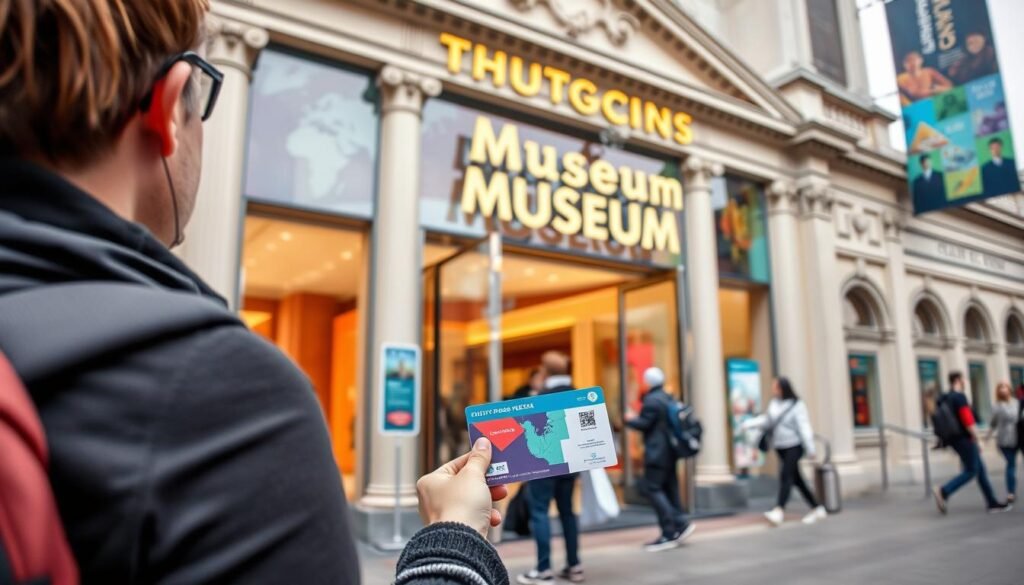
When considering how to save money on attractions, city passes and museum cards can be a great option. These passes often grant access to multiple attractions and can save you both time and money. To determine if a pass is worth it, calculate the total cost of the pass against the individual entrance fees for the attractions you plan to visit.
- Consider the time-saving benefits of skipping ticket lines at popular attractions.
- Evaluate whether you’ll realistically visit enough attractions to make the pass worthwhile.
- Look for passes that include public transportation, as these can offer excellent value and convenience.
- Research whether the pass includes lesser-known attractions that you might not visit otherwise.
Smart Money Management While Traveling
Effective money management is crucial for a stress-free travel experience. Managing your finances wisely while abroad involves understanding how to avoid unnecessary fees and exchange currency effectively.
Avoiding Foreign Transaction Fees
One of the simplest ways to save money while traveling is by avoiding foreign transaction fees. These fees can add up quickly, sometimes costing you 1-3% of your transaction amount. To avoid them, consider using a credit card with no foreign transaction fees. Cards like Chase Sapphire Preferred and Capital One Venture are popular choices among travelers.
Recently, travelers have also turned to debit cards that don’t charge foreign transaction fees, such as those offered by Charles Schwab. This can be a convenient option for withdrawing cash without incurring additional charges.
Currency Exchange Strategies
When it comes to exchanging currency, there are several strategies to keep in mind. First, avoid exchanging money at airports, hotels, and tourist areas, as they often offer poor exchange rates. Instead, use ATMs to withdraw local currency, which typically provides a better rate.
- Avoid currency exchange at airports, hotels, and tourist areas where rates are typically 5-10% worse than bank or city center exchange offices.
- Use ATMs to withdraw local currency directly rather than exchanging cash, as this typically provides better exchange rates even with some fees.
- Consider multi-currency cards like Wise (formerly TransferWise) or Revolut that allow you to hold and exchange multiple currencies at favorable rates.
- Exchange only what you need for immediate expenses to avoid being left with excess foreign currency at the end of your trip.
- Research the local currency landscape before arrival—some countries operate primarily on cash, while others are increasingly cashless, affecting how much local currency you’ll need.
By being mindful of these strategies, you can minimize your expenses and enjoy a more financially stress-free trip.
Packing Strategies to Save Money
A well-planned packing strategy can make all the difference in saving money on your trip. By being mindful of what you pack, you can avoid unnecessary expenses and make your travel experience more budget-friendly.
Traveling Light: Benefits of Carry-On Only
Traveling with just a carry-on bag can save you money on checked baggage fees and reduce the risk of lost luggage. It also allows for more flexibility and ease of movement during your trip. To achieve this, it’s essential to pack multipurpose things and limit yourself to the essentials.
Essential Items That Save Money on the Road
Packing the right things can significantly impact your budget. Consider including a reusable water bottle with a built-in filter to avoid buying bottled water, a compact travel towel for accommodations that charge extra, and a small daypack for day trips and carrying travel essentials. Don’t forget to pack basic medications and first aid supplies to avoid premium prices at tourist pharmacies, and bring portable snacks to prevent impulse buys in tourist areas.
By adopting these packing strategies, you can save money and enhance your overall travel experience.
Using Technology to Your Advantage
With the advent of travel technology, exploring the world has become more affordable. Travelers can now leverage various digital tools to minimize expenses and maximize their travel experience.
Money-Saving Travel Apps and Websites
Several travel apps and websites can help you save money on your next trip. When searching for the best budget travel apps, consider those that offer price comparisons, travel guides, and booking services.
Staying Connected Without Roaming Charges
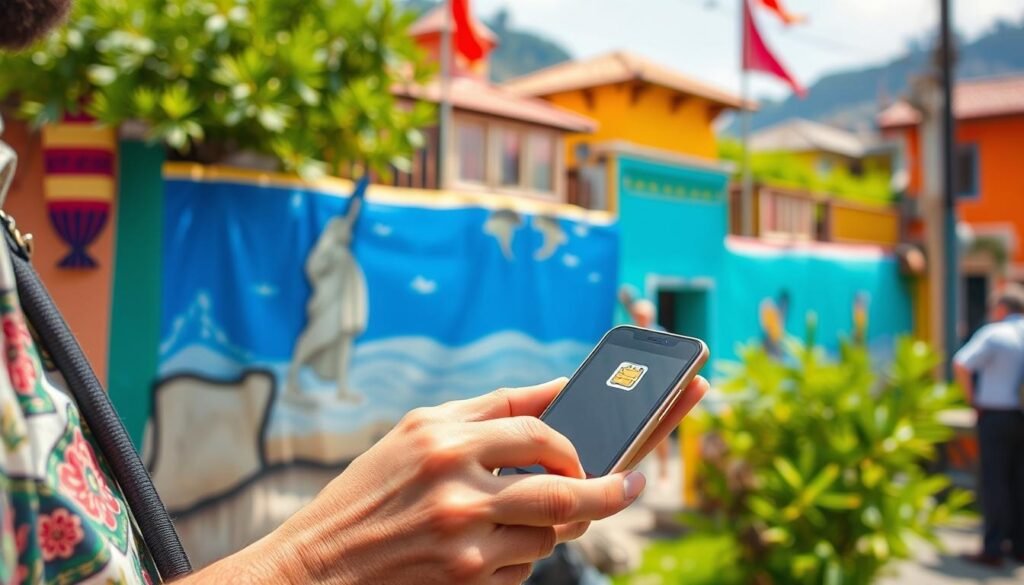
To avoid hefty roaming charges, consider purchasing a local SIM card or using eSIM options like Airalo or Holafly for your travels. Here are some tips to stay connected affordably:
- Research local SIM card options before your trip to save on international roaming plans.
- Use eSIM services that allow you to activate local data plans without changing SIM cards.
- Take advantage of free WiFi for data-heavy activities like uploading photos or making video calls.
- Download necessary maps, translation tools, and entertainment content before your trip.
- Use messaging apps like WhatsApp or Signal that operate over data.
By embracing these technological advancements, you can significantly reduce your travel expenses and enjoy a more cost-effective travel experience.
Saving Up for Your Trip
The key to a successful trip lies in saving money effectively, and there are several strategies to help you achieve this. Saving for a trip can be a daunting task, but with a well-thought-out plan, you can make your travel dreams a reality.
Creating a Travel Fund
Creating a travel fund is a crucial step in planning your trip. It involves setting aside a specific amount of money regularly, which can be achieved by identifying regular expenses that can be reduced or eliminated temporarily. For instance, making your own coffee at home instead of buying it can save you around $60 a month, which is equivalent to a round-trip European flight with RyanAir or ten nights’ stay in a hostel in Ecuador or Thailand.
- Identify regular expenses that can be reduced or eliminated temporarily.
- Consider a temporary “spending freeze” on non-essential purchases.
- Look for opportunities to reduce fixed expenses.
Small Daily Sacrifices That Add Up
Making small daily sacrifices can significantly impact your ability to save for a trip. Skipping a $5 daily coffee can save you over $1,800 per year, potentially funding an entire international trip. Other small sacrifices include finding free or low-cost alternatives to paid entertainment, such as library books instead of purchases, home movie nights instead of theaters, or hiking instead of paid activities.
| Daily Habit | Monthly Savings | Annual Savings |
|---|---|---|
| Skipping $5 coffee | $60 | $720 |
| Bringing lunch from home | $100 | $1,200 |
By implementing these strategies, you can save a significant amount of money over time, making your trip more affordable. As the saying goes, “A penny saved is a penny earned.” By being mindful of your daily expenses and making a few simple changes, you can accumulate a substantial travel fund.
What Not to Compromise On
The key to a fulfilling travel experience lies in identifying what not to compromise on. While budget constraints are a reality for many travelers, certain aspects of a trip are worth investing in to ensure a safe, enjoyable, and memorable journey.
Travel Insurance and Safety Considerations
When it comes to travel, safety should always be a top priority. Investing in travel insurance can provide peace of mind and financial protection against unforeseen circumstances such as trip cancellations, medical emergencies, or lost luggage. For budget travelers, it’s essential to research and compare different insurance options to find the best coverage at an affordable price.
Image of a person reviewing travel insurance documents
Experiences That Are Worth the Splurge
Sometimes, it’s worth splurging on experiences that align with your travel aspirations. If you’ve been dreaming of taking a hot air balloon ride, don’t sit on the sidelines to save money. Some experiences are worth the investment when they align with your deepest travel aspirations.
- Identify a few “bucket list” experiences that are central to your travel dreams and allocate adequate budget for these special activities.
- Consider unique cultural experiences like cooking classes, guided historical tours, or traditional performances that provide deeper insights into local culture.
- Budget for at least one memorable meal that showcases the best of local cuisine, even if it means economizing on other meals during your trip.
- Evaluate once-in-a-lifetime opportunities specific to your destination, such as wildlife encounters, natural phenomena, or historical sites that you may never have the chance to experience again.
- Remember that extraordinary experiences often become your most treasured travel memories and provide the best return on your travel investment.
Conclusion: Making Your Travel Dreams a Reality
With the right strategies, you can make your travel dreams a reality without breaking the bank. By prioritizing what matters most and finding ways to economize, you can have a fulfilling trip. Saving money slowly over time adds up; for example, cutting back on coffee and dining out can fund a significant trip. Start implementing budget travel tips today and make the most of your travel experience within your budget.