Discover Delicious Local Eats Across America
Local cuisine exploration: Food isn’t just sustenance; it’s culture, history, and adventure all wrapped up in every delectable bite.
As you travel across America, exploring regional specialties is a journey through the country’s diverse cultural heritage. From the Northeast to the Pacific Coast, each dish tells a story of immigration patterns and regional identities.
This guide will help you discover authentic food experiences beyond tourist traps, creating deeper connections to places and people during your travel experiences.
By savoring flavors and trying new cuisine, you’ll uncover the essence of America’s culture and make your travel experience even more rewarding.
The Art of Local Cuisine Exploration
Local cuisine in America is a vibrant tapestry woven from the threads of history, geography, and community traditions. Every region offers a unique culinary identity shaped by its history, the people who settled there, and the local ingredients available.
Why Food Is the Gateway to American Culture
Food serves as a cultural ambassador, revealing the historical influences that have shaped each region of America. The diverse food landscape is a result of immigrant communities contributing their culinary traditions, creating unique regional specialties. For instance, the Southern United States is known for its soul food, a legacy of African American culinary traditions.
Traditional cooking methods and ingredients often reflect the environmental conditions and available resources of different regions. For example, coastal regions feature an abundance of seafood, while the Midwest is known for its corn and soybeans. These ingredients not only define local dishes but also tell the story of America’s varied landscapes and agricultural practices.
How Local Dishes Tell America’s Story
Local dishes are more than just something to eat; they tell the story of a place, its people, and their traditions. The story of America is reflected in its diverse culinary landscape, where different cultures and histories converge. For example, the influence of Mexican cuisine is evident in the Southwest, with dishes like tacos and burritos becoming staples.
Sharing meals with locals provides insights into community values and social customs. It’s through these shared experiences that one can truly understand the cultural significance of food in American society. Moreover, understanding the context of local dishes enhances the eating experience, making it more than just about the taste.
Preparing for Your Culinary Adventure
Embarking on a culinary journey across America requires more than just a taste for adventure; it demands preparation. To make the most of your food travel experience, it’s crucial to dive deep into the local food scene before you even board that plane.
Researching Regional Specialties Before You Travel
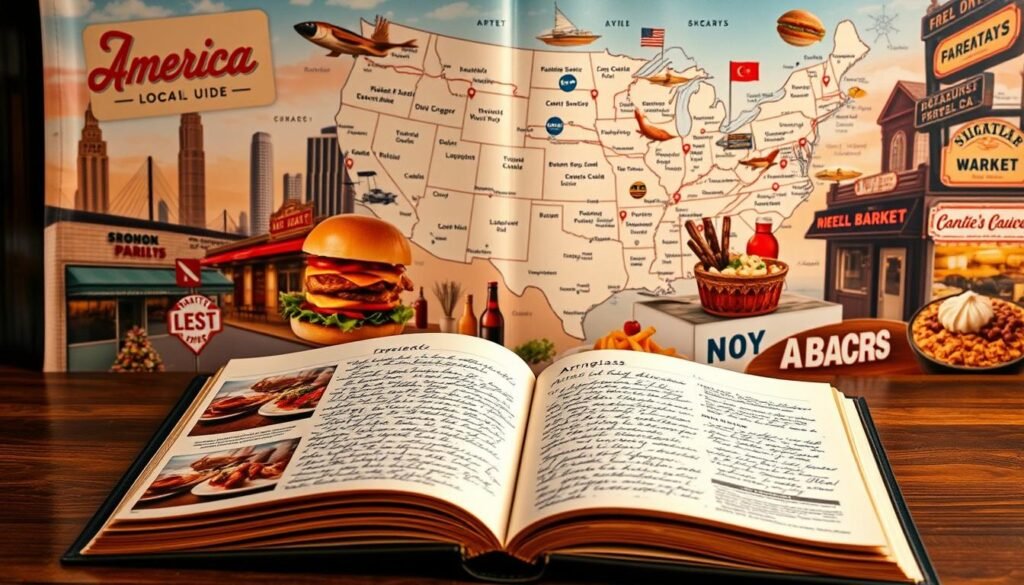
Research is key to unlocking the authentic flavors of a region. Start by scouring food blogs and devouring reviews on various culinary websites. Watching documentaries and reading cookbooks focused on the region’s cuisine can also provide valuable insights. This research will help you create a guide to the must-try dishes and eateries, ensuring you don’t miss out on iconic local food.
Understanding regional specialties involves more than just knowing what to eat; it’s also about knowing where to eat. Utilize apps and websites that help travelers locate authentic local restaurants and understand the nuances of regional cuisines. Creating a food bucket list for each destination can be a fun way to organize your culinary adventure.
| Resource | Description |
|---|---|
| Food Blogs | Detailed reviews and recipes from local food enthusiasts. |
| Culinary Documentaries | Visual stories showcasing the making of regional specialties. |
| Cookbooks | Comprehensive guides to cooking regional dishes. |
Essential Tools for Food Travelers
To enhance your food travel experience, consider packing a few essential tools. A translation card can be invaluable for communicating dietary restrictions, while a portable food journal allows you to record your culinary findings and reflections.
“The journey of a thousand miles begins with a single step.” – Lao Tzu
Additionally, staying informed about local food festivals and farmers’ markets can add a rich layer to your culinary adventure. With these tips and tools, you’ll be well-prepared to navigate the diverse world of American cuisines and enjoy a truly immersive food travel experience.
Finding Authentic Local Eateries
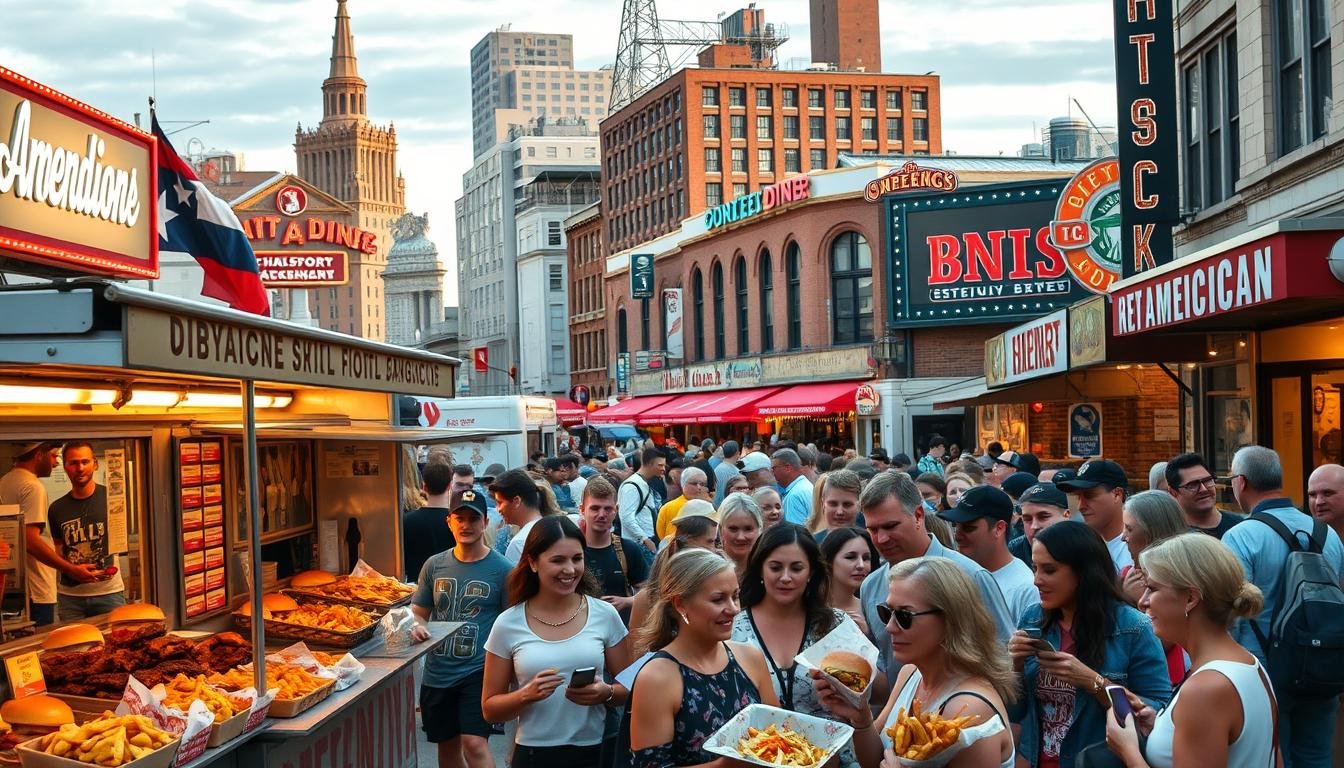
Uncovering the authentic taste of a city requires exploring its local eateries, markets, and street food vendors. The real magic often happens in those tiny, hole-in-the-wall joints and bustling food markets.
Beyond Tourist Traps: Where Locals Actually Eat
To find authentic local eateries, observe where locals eat during peak hours. Engaging with locals is also key; ask for recommendations using friendly phrases like “What’s your favorite local dish?” or “Where do you like to eat around here?”
Exploring residential neighborhoods away from tourist centers can lead to discovering authentic local food experiences. Look for stalls with a high turnover, indicating fresher ingredients.
Using Social Media and Food Apps to Discover Hidden Gems
Social media platforms like Instagram and TikTok are great for discovering trending local cuisine and hidden gems. Use specific food apps that specialize in local cuisine recommendations and user reviews from residents to find the best spots.
When interpreting online reviews, distinguish between authentic experiences and tourist-oriented feedback by looking for detailed comments about the food and dining experience.

Food tours led by locals can also be a great introduction to a new city’s culinary landscape, offering insights into the best restaurants and local dishes.
Regional Food Treasures Across America
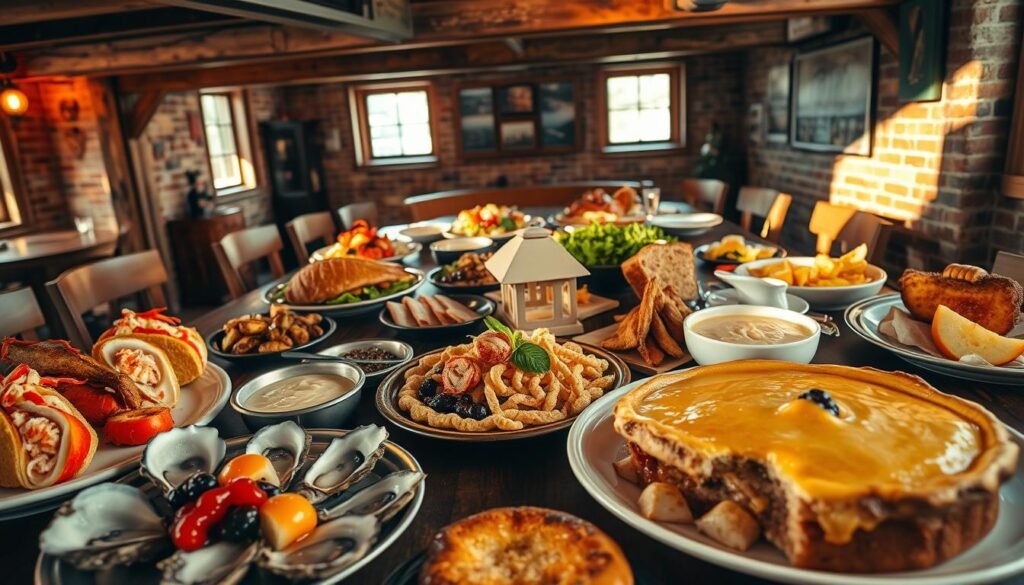
Regional food treasures across America showcase the country’s diverse culinary landscape, influenced by history, culture, and geography. As you travel across the United States, you’ll discover that each region has its own signature dishes, reflecting local ingredients and cultural traditions.
Northeast Culinary Classics
The Northeast is renowned for its culinary classics, including New England clam chowder, Maine lobster rolls, New York pizza, and Philadelphia cheesesteaks. These dishes are often made with fresh, locally-sourced ingredients such as maple syrup and seafood. The region’s cuisine is also influenced by its history, with many traditional dishes dating back to early American settlers.
Southern Comfort and Soul Food
The South is famous for its comfort food and soul food treasures, including fried chicken, shrimp and grits, gumbo, barbecue traditions, and sweet tea. These dishes are often rich in flavor and history, reflecting the region’s cultural heritage. The use of local ingredients such as chiles and okra adds depth to the cuisine.
Midwest Heartland Flavors
The Midwest is known for its heartland flavors, featuring dishes like Chicago deep-dish pizza, Cincinnati chili, St. Louis-style ribs, and Wisconsin cheese specialties. The region’s cuisine is characterized by hearty portions and comforting flavors, often influenced by European immigrant traditions.
Western and Pacific Coast Delights
The Western and Pacific regions showcase fresh seafood and fusion cuisines influenced by Asian and Mexican traditions. California fish tacos, Pacific Northwest seafood, Sonoran hot dogs, and farm-to-table innovations are just a few examples of the region’s culinary delights. The use of local ingredients such as avocados and fresh fish adds to the region’s culinary identity.
| Region | Signature Dishes | Local Ingredients |
|---|---|---|
| Northeast | Clam chowder, lobster rolls, New York pizza | Maple syrup, seafood |
| South | Fried chicken, shrimp and grits, gumbo | Chiles, okra |
| Midwest | Chicago deep-dish pizza, Cincinnati chili, St. Louis-style ribs | Corn, beef |
| West and Pacific | California fish tacos, Pacific Northwest seafood, Sonoran hot dogs | Avocados, fresh fish |
Unique Food Experiences in America’s Natural Wonders
In the heart of America’s most stunning natural landscapes lies a culinary journey waiting to be undertaken, with local ingredients and traditional cooking methods coming together in a delicious fusion. The country’s diverse regions offer a wide range of unique food experiences that are deeply connected to their natural surroundings.
Alaska’s Wilderness Cuisine
Alaska invites adventurers to savor its untamed wilderness cuisine, featuring wild-caught salmon, king crab legs, and traditional Native Alaskan preparations using local berries and game. The unique flavors of Alaska’s wilderness are a true reflection of the region’s rugged beauty.
Pacific Northwest Seafood Paradise
The Pacific Northwest is a seafood lover’s paradise, with an abundance of Dungeness crab, oysters, and salmon preparations influenced by Native American traditions. The region’s seafood is often served fresh, showcasing the rich flavors of the Pacific Ocean.
Mountain Delicacies in Colorado and Yellowstone
In the heart of the Rockies, Colorado and Yellowstone offer hearty mountain delicacies such as bison steaks, elk chili, and trout dishes, often featuring foraged ingredients like mushrooms and berries. These dishes are a testament to the region’s rich culinary heritage and its connection to the natural world.
These regions not only offer unique dining experiences but also highlight the importance of sustainable food practices and local ingredients. Whether it’s a wilderness cookout or a mountaintop restaurant, the combination of scenery and local flavors creates an unforgettable culinary experience.
Balancing Adventure and Healthy Eating
As you embark on your culinary journey across America, finding a balance between indulging in local delicacies and maintaining a healthy diet becomes essential. It’s about making informed choices that allow you to enjoy the adventure while keeping your nutritional needs in check.
Indulging Wisely: Portion Control While Traveling
One effective strategy is to practice portion control, allowing you to sample multiple local specialties without overindulging. This can be achieved by sharing dishes with travel companions or opting for smaller portions. The 80/20 rule is also a helpful guideline, where 80% of your meals are healthy, and 20% allow for indulgence.
Finding Fresh and Nutritious Options on the Road
When exploring new destinations, look for dishes rich in vegetables, lean proteins, and whole grains. Visiting local markets can also provide fresh and nutritious options to balance your meals. Incorporating physical activity, such as walking food tours or hiking to scenic picnic spots, can enhance your overall experience.
| Healthy Choices | Indulgent Options | Balancing Act |
|---|---|---|
| Grilled chicken | Fried chicken | Opt for grilled, limit fried |
| Steamed vegetables | Creamed vegetables | Choose steamed over creamed |
| Whole grain bread | Refined white bread | Select whole grain when possible |
By being mindful of your food choices and incorporating physical activity, you can enjoy the culinary aspects of your travel while maintaining a healthy lifestyle. This balance allows for a more fulfilling travel experience, enabling you to fully engage in the adventure and food culture of your destination.
Conclusion: Creating Lasting Memories Through Food
The memories you create through food are what will stay with you long after your trip is over. Food exploration enhances your travel experience by creating sensory memories that linger.
Sharing meals with locals and fellow travelers fosters meaningful connections and cultural understanding. Documenting your culinary discoveries through photos, recipes, or food journals helps preserve these memories.
You can bring your favorite discoveries home by learning to cook regional specialties or sourcing authentic ingredients. This culinary adventure can inspire future trips to different American regions.
Remember, local cuisine exploration is about the journey of discovery, not just checking items off a list. Practice mindful eating to fully appreciate the flavors and textures of local dishes.
Through food, you can continue to experience the essence of a place long after you’ve returned home, making your travel experience even more enriching.