Morocco Travel Blog: Uncover the Magic of This Enchanting Land
Morocco Travel Blog: Welcome to our comprehensive guide, where we’ll share personal experiences and practical advice for exploring this North African gem. Morocco is a land of vibrant colors, ancient medinas, sweeping deserts, and rich cultural heritage, creating an unforgettable travel experience.
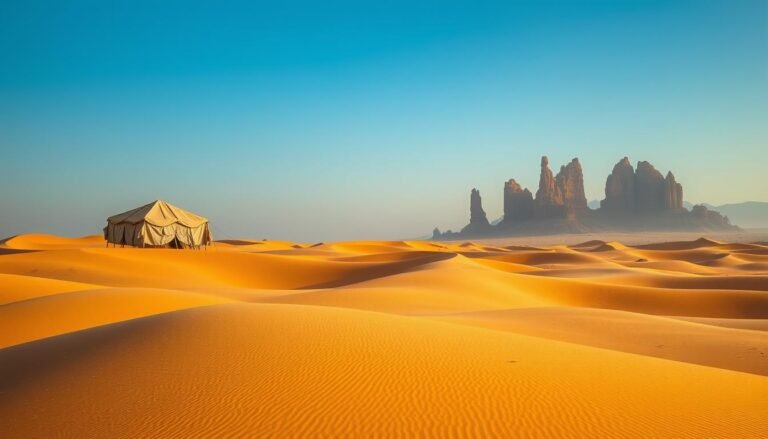
On a recent trip, standing in the Sahara Desert under a million stars was a dream come true, a moment that made every day of planning worth it. Whether you’re an adventure seeker, a culture enthusiast, or a food lover, every day in this enchanting land is filled with new discoveries.
This guide will provide you with itineraries, cultural insights, and practical tips to make the most of your trip. Get ready to uncover the magic of Morocco and create memories that will last a lifetime.
Discovering the Allure of Morocco
With a heart full of excitement and a mind full of curiosity, I embarked on a journey to discover the allure of Morocco. This enchanting land has been a dream destination for many, and I was eager to immerse myself in its unique culture and breathtaking landscapes.
A Land of Contrasts and Colors
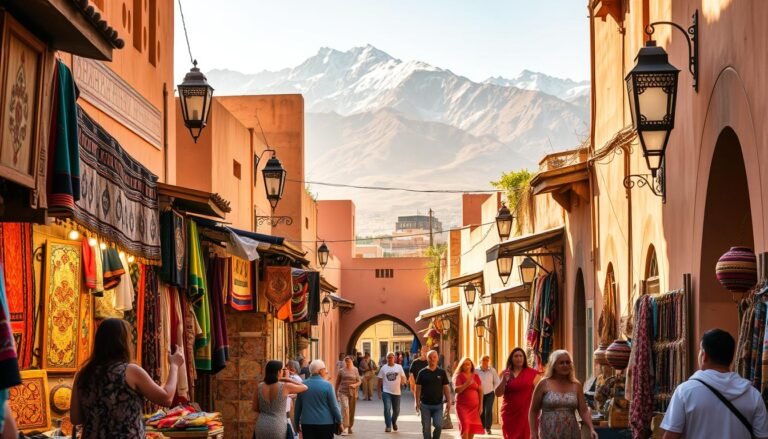
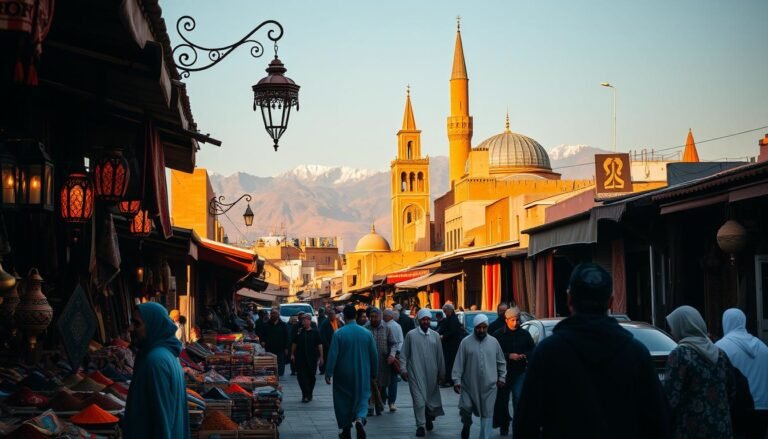
Morocco is a sensory feast where ancient traditions blend with modern influences in a way that captivates travelers from around the world. The country’s striking contrasts are a major part of its appeal. Bustling cities like Marrakech stand alongside peaceful mountain villages, while lush oases thrive within arid deserts. The vibrant colors of Morocco are equally captivating, from the blue-washed streets of Chefchaouen to the red clay of Marrakech, and the golden sands of the Sahara.
The kaleidoscope of colors that define the Moroccan experience is not limited to its landscapes. The vibrant dyes in the tanneries, the intricate patterns on traditional clothing, and the ornate decorations in palaces all contribute to a visual feast that is quintessentially Moroccan.
What Makes Morocco a Traveler’s Dream
Morocco’s strategic location has created a melting pot of Berber, Arab, European, and African influences, making it a place unlike any other. This cultural diversity is a significant factor in Morocco’s enduring appeal to travelers. The country’s ability to offer authentic cultural experiences, stunning landscapes, and warm hospitality in a way that feels both exotic and accessible is what makes it a traveler’s dream destination.
As travelers explore Morocco, they will find that the country’s unique blend of traditions and modernity is woven into everyday life. From the bustling souks to the serene desert landscapes, Morocco invites visitors to embark on a journey of discovery, promising an unforgettable adventure in a captivating city or a tranquil rural setting, each in its own special way.
Planning Your Moroccan Adventure
As you prepare for your Moroccan adventure, understanding the best time to visit, how to allocate your days, and what to pack is crucial. Morocco is a country of diverse landscapes and cultures, and being prepared will enhance your travel experience.
Best Time to Visit Morocco
Morocco’s climate varies significantly across different regions. The best time to visit Morocco is during the spring (March-May) and fall (September-November), when temperatures are pleasant for exploring both cities and desert regions. These periods offer ideal conditions for hiking in the Atlas Mountains, exploring the medinas, and enjoying the beaches along the coast.
It’s essential to consider the climate variations across different regions. While the desert can be hot during the day, it can surprisingly be cold at night, even in the summer. Similarly, the mountains can be chilly, especially in the early morning and evening. Understanding these variations will help you plan your trip more effectively.
- Spring (March-May) offers mild temperatures and blooming landscapes.
- Fall (September-November) provides comfortable temperatures and fewer crowds.
- Summer can be very hot, especially in the desert regions.
- Winter months can be cool, particularly in the mountains and desert areas at night.
How Many Days to Spend in Morocco
Determining the ideal number of days to spend in Morocco depends on your travel style and interests. However, a minimum of 7-10 days is recommended to experience the country’s diversity without feeling rushed.
For a fulfilling experience, consider allocating your time between major destinations. For instance, spend a few days exploring Marrakech’s vibrant souks and culture, visit the historic city of Fes, and take a trip into the Sahara Desert or the Atlas Mountains. This allocation will give you a well-rounded taste of Morocco’s varied landscapes and cultures.
Essential Items to Pack
Packing the right items is crucial for a comfortable and enjoyable trip to Morocco. Modest clothing is recommended out of cultural sensitivity, along with layers for temperature variations, comfortable walking shoes for navigating medinas, and specialized gear for desert excursions.
Don’t forget essential documents like your passport and travel insurance documents. Bring necessary medications and consider packing a first-aid kit. Technology items like offline maps and translation apps can significantly enhance your travel experience.
Marrakech: The Vibrant Heart of Morocco
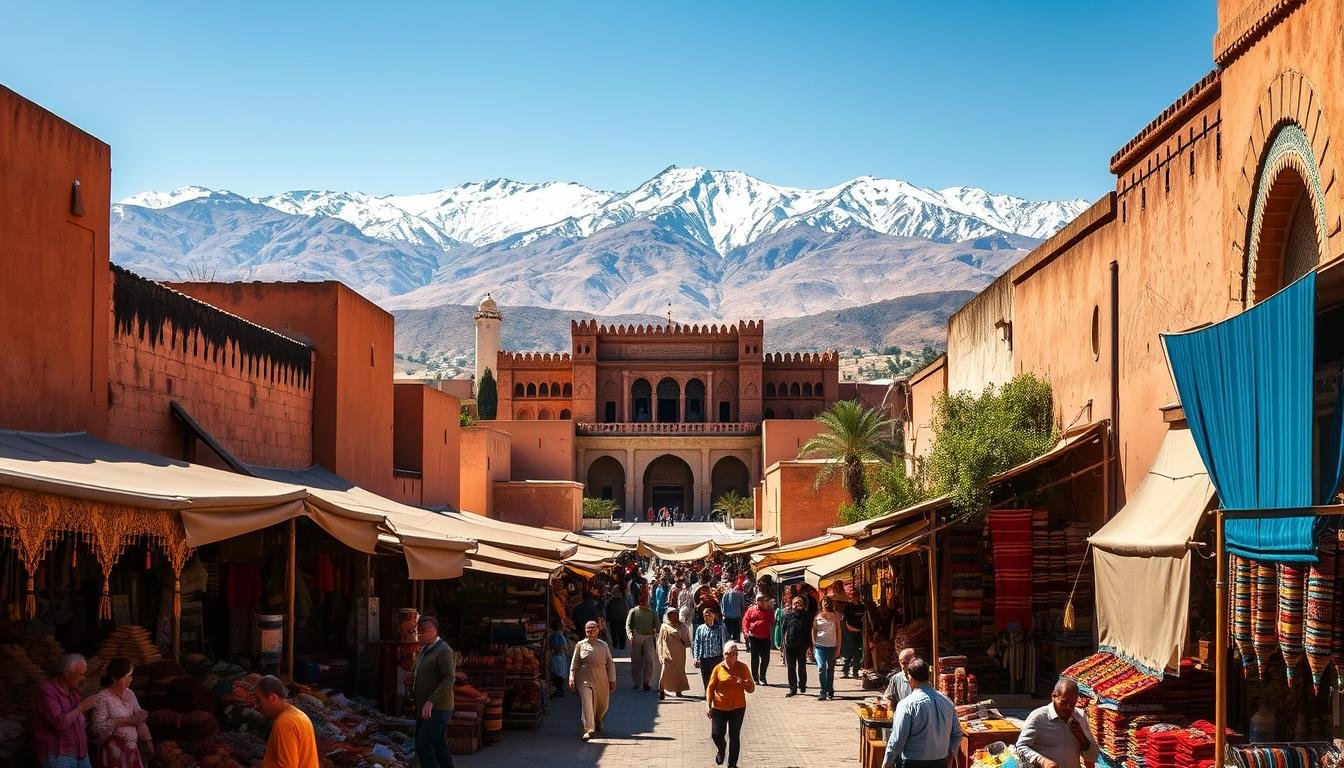
Marrakech, with its unique blend of Arab, Berber, and French influences, is a city that will captivate your senses. As the cultural and tourist hub of Morocco, Marrakech offers an immersive experience that combines rich history, vibrant energy, and sensory overload.
Where to Stay in Marrakech
Choosing the right accommodation in Marrakech can significantly enhance your travel experience. Our stay at Riad Ksar Al Amal was truly exceptional, with impeccable service and a warm welcome. Staying in a traditional riad within the medina offers a unique chance to experience the authentic rhythm of the city.
For those who prefer modern amenities, hotels in the newer parts of the city provide comfort and convenience. Whether you opt for a riad or a modern hotel, Marrakech has a wide range of options to suit every traveler’s needs.
Must-Visit Attractions in Marrakech
Marrakech is home to numerous iconic attractions that are a must-visit for any traveler. Jemaa el-Fnaa square, with its vibrant atmosphere and street performers, is a great place to start your day. Visiting the Bahia Palace, Koutoubia Mosque, and Majorelle Gardens will give you a deeper understanding of Marrakech’s rich history and cultural heritage.
To make the most of your visit, plan your day wisely. For instance, visiting the Majorelle Gardens early in the morning is ideal to avoid the crowds and heat.
Hidden Gems Beyond the Tourist Trail
Beyond the popular tourist attractions, Marrakech has several hidden gems waiting to be discovered. The Dar El Bacha Museum, with its exquisite coffee shop, is a serene place to explore. Le Jardin Secret, another lesser-known spot, offers a tranquil escape from the bustling streets of Marrakech.
Exploring the less-crowded corners of the souks, where local artisans work, can be a rewarding experience. It gives you a glimpse into the traditional crafts and skills that have been passed down through generations.
With so much to see and do, Marrakech is a city that can easily fill 3 to 4 days of your itinerary, balancing sightseeing with relaxation time.
Exploring the Magical Medinas
Morocco’s medinas are not just historic areas; they are vibrant, living entities that pulse with the rhythm of daily life. As the ancient walled old town centers, they serve as the beating heart of Moroccan cities, where tradition and modernity blend seamlessly.
Navigating the Maze-Like Streets
Finding your way through the medinas can be a challenge, but with a few tips, you can navigate these historic centers with ease. Start by using landmarks to orient yourself, and consider downloading offline maps on your smartphone to help guide you. Don’t be afraid to get lost in the process; it’s all part of the adventure.
As you wander, you’ll discover hidden gems and unexpected delights around every corner. The medinas are designed to be explored on foot, so take your time and enjoy the journey.
Shopping Tips for the Souks
The souks within the medinas are a shopper’s paradise, offering a wide range of goods from leather goods to ceramics and textiles. To make the most of your shopping experience, it’s essential to understand the art of haggling. Start by researching fair price ranges for the items you’re interested in, and be prepared to negotiate.
| Item | Average Price | Tips |
|---|---|---|
| Leather Goods | $20-$50 | Look for high-quality leather and craftsmanship |
| Ceramics | $10-$30 | Check for unique designs and vibrant colors |
| Textiles | $15-$40 | Feel the fabric and inspect the weaving quality |
Cultural Etiquette in the Medinas
When exploring the medinas, it’s crucial to observe local customs and traditions. Dress modestly, covering your shoulders and knees as a sign of respect. Be mindful of photography protocols, especially during prayer times or when capturing images of locals.
Interacting with locals in a respectful manner will enhance your experience. A simple “hello” or “thank you” in Arabic can go a long way in building connections.
Each medina has its unique character and specialties. For instance, Marrakech’s medina is known for its vibrant atmosphere and bustling souks, while Fes’s medina is renowned for its ancient architecture and historical significance. Understanding these differences will help you appreciate the distinct charm of each old town.
The Ultimate Morocco Travel Blog Guide to Fes
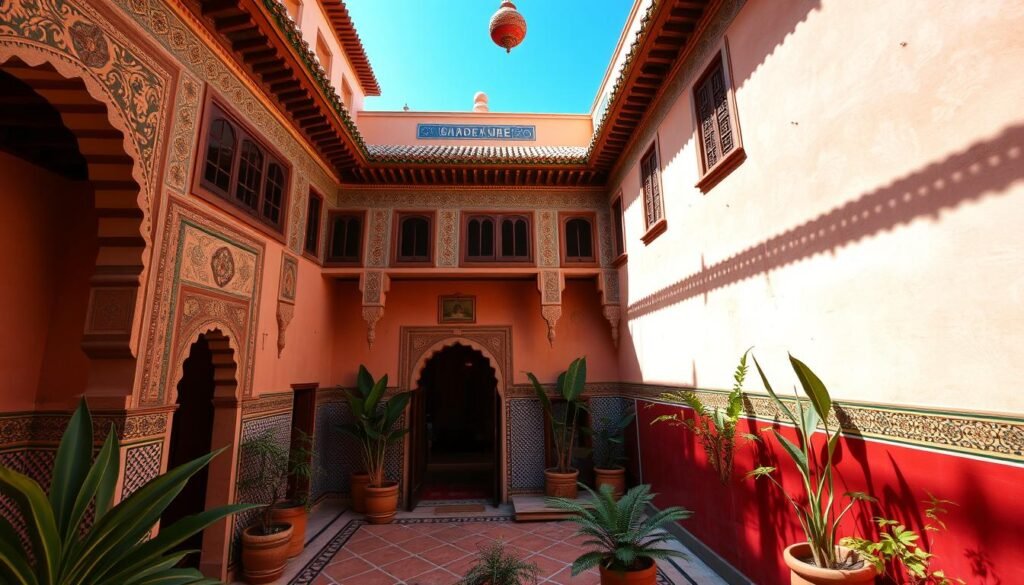
With its rich history and vibrant culture, Fes is a city that will captivate and inspire any traveler. As Morocco’s oldest imperial city, Fes boasts a unique blend of traditional and modern attractions, making it a must-visit destination for anyone exploring Morocco.
Fes vs. Marrakech: Which to Choose?
When planning a trip to Morocco, many travelers find themselves torn between visiting Fes or Marrakech. While both Marrakech and Fes are vibrant and culturally rich, they offer distinct experiences. Marrakech is known for its bustling souks and vibrant atmosphere, whereas Fes is renowned for its ancient medina and historical significance. Understanding the differences between these two Marrakech Fes can help you decide which city better suits your interests.
If you’re looking for a more relaxed and historically rich experience, Fes might be the better choice. On the other hand, if you’re drawn to the energy and excitement of a bustling metropolis, Marrakech could be your ideal destination. Many travelers choose to visit both cities during their Marrakech Fes journey, appreciating their distinct characters and experiences.
Exploring the Ancient Fes Medina
The ancient Fes medina, known as Fes el-Bali, is a UNESCO-protected area and the heart of the city’s historical and cultural significance. As you navigate the narrow streets, you’ll discover key attractions such as the Al-Qarawiyyin University, one of the oldest universities in the world, and the famous tanneries, where traditional leather-making techniques are still practiced.
To make the most of your visit, be sure to explore the intricate madrasas and mosques, and don’t hesitate to get lost in the maze-like streets. However, be cautious and stick to areas with plenty of people, as some parts can be sketchy. A guide can be invaluable in helping you navigate and understand the historical context of the medina.
Day Trips from Fes
Fes is an excellent base for exploring the surrounding region, with many exciting day trips available. One of the most popular destinations is the Roman ruins of Volubilis, a day‘s journey from Fes. You can also visit the holy town of Moulay Idriss, the birthplace of Morocco’s founding dynasty, or the picturesque “blue city” of Chefchaouen, known for its relaxed atmosphere and stunning natural beauty.
These day trips offer a great way to experience the diversity of Morocco’s landscapes and cultures, and with various transportation options available, you can easily plan a trip that suits your interests and schedule.
Coastal Charm: Essaouira and Beyond
Located a few hours from Marrakech, Essaouira is a charming coastal town that captivates visitors with its laid-back atmosphere. This picturesque place on Morocco’s Atlantic coast is a refreshing escape from the intensity of the imperial cities, offering a unique blend of artistic charm and coastal beauty.
Relaxing in Essaouira’s Laid-Back Atmosphere
Essaouira’s fortified medina, a UNESCO World Heritage site, is a treasure trove of experiences. The town’s artistic community thrives here, with numerous galleries and shops selling local handicrafts. Visitors can enjoy a relaxed shopping experience, taking in the sights and sounds of the medina while the Atlantic waves crash against the city walls, creating a soothing soundtrack. The fresh sea air adds to the town’s charm, making it an ideal spot for relaxation.
Fresh Seafood and Beach Activities
One of Essaouira’s highlights is its exceptional seafood scene. The bustling fish market is a must-visit, where small fishermen sell their day’s catch. Visitors can then enjoy freshly grilled seafood at the nearby stalls in the main square, savoring the taste of the ocean’s water. Beyond the seafood, Essaouira offers a range of beach and water activities, including surfing, kiteboarding, and camel rides on the golden sands.
Other Coastal Towns Worth Visiting
While Essaouira is a standout destination, other coastal towns in Morocco are worth exploring. Asilah, with its whitewashed buildings and vibrant art festivals, is a great place to experience the country’s coastal culture. Agadir offers modern resort amenities, making it ideal for those seeking comfort and leisure. Smaller fishing villages along the coast provide authentic glimpses into traditional Moroccan life, each with its unique charm and character.
Sahara Desert Adventures
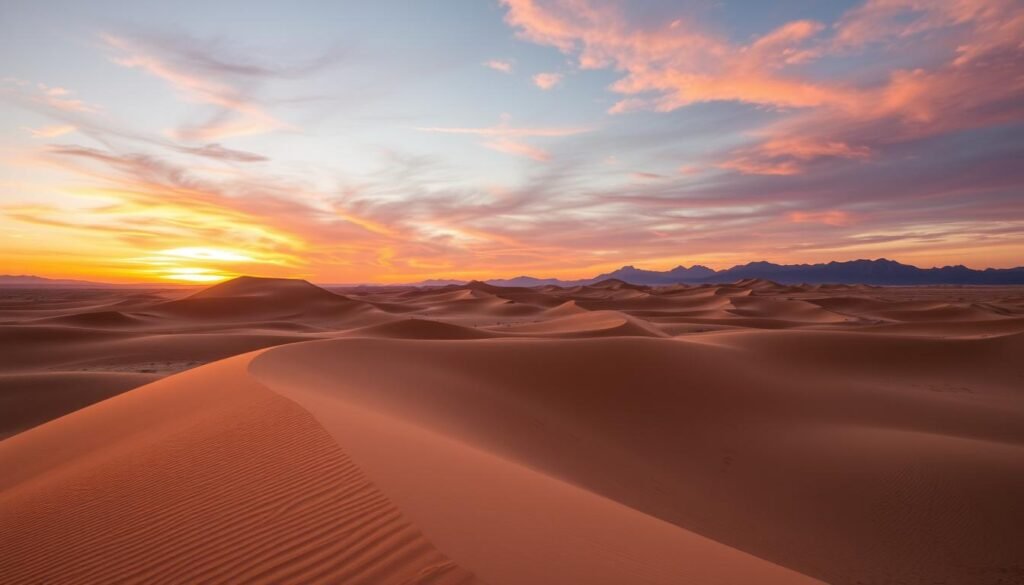
For many, a trip to Morocco isn’t complete without experiencing the vast, majestic beauty of the Sahara Desert. The Sahara offers a unique blend of natural wonder and cultural richness that makes it a crown jewel of many Morocco trips.
Choosing an Ethical Desert Tour
When planning your Sahara Desert adventure, it’s crucial to choose an ethical desert tour that prioritizes animal welfare, environmental sustainability, and support for local communities. To ensure you’re booking a responsible tour, ask potential operators about their practices regarding camel treatment, waste management, and community engagement.
Key Questions to Ask:
- How are camels treated and cared for during the tour?
- What measures are in place to minimize the tour’s environmental impact?
- How does the tour support local communities and economies?
Camel Trekking and Overnight Camps
A typical desert tour experience involves a day of travel through changing landscapes to reach the desert, followed by a magical camel trekking experience across the dunes at sunset. As the day comes to a close, you’ll settle into an overnight camp, where you can enjoy traditional music around the campfire and experience the surprising comfort of desert accommodations.
The night sky in the Sahara is breathtaking, with minimal light pollution allowing for a spectacular display of stars. This is a truly unforgettable experience that connects you deeply with nature.
What to Expect in the Sahara
During your desert adventure, be prepared for a day filled with travel and exploration, followed by a serene night under the stars. The temperature variations between day and night can be extreme, so it’s essential to pack accordingly.
From camel trekking to stargazing, every moment in the Sahara is a chance to connect with the natural world and experience the beauty of Morocco’s iconic landscape.
Hiking the Atlas Mountains
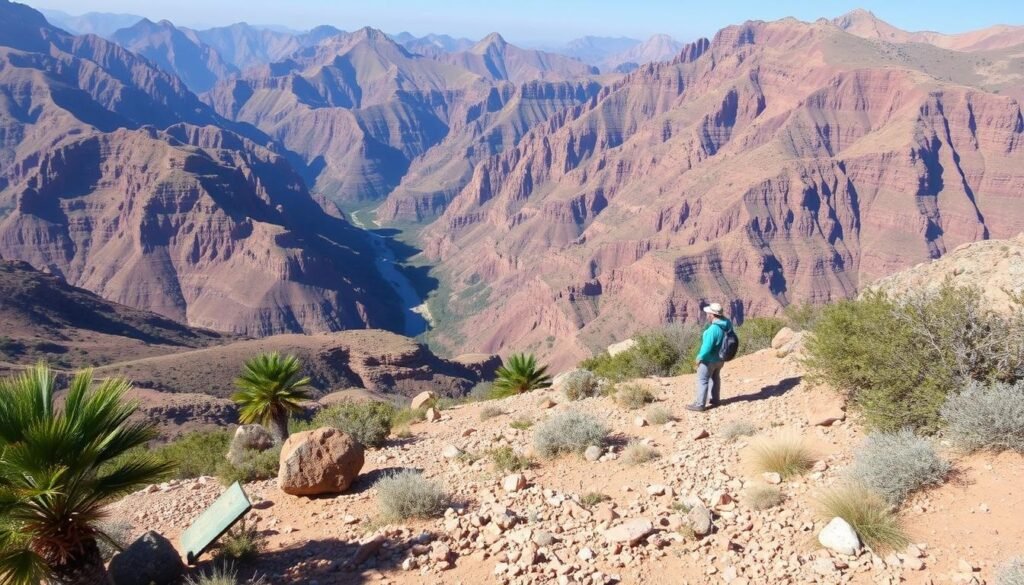
The Atlas Mountains, a majestic range that stretches across Morocco, offer a refreshing escape from the desert’s golden dunes and the vibrant chaos of its cities. With their picturesque valleys and traditional Berber villages, the Atlas Mountains are a treasure trove of cultural and outdoor experiences.
Popular Hiking Routes and Difficulty Levels
The Atlas Mountains cater to hikers of all levels, from day hikes in the Ourika Valley to multi-day treks to summit Mount Toubkal, North Africa’s highest peak. The best time to embark on these adventures varies by trail, but generally, spring and autumn offer the most favorable conditions.
For those looking to walk around and explore, the Atlas Mountains provide numerous trails that wind through lush valleys and past traditional villages. On a typical day, hikers can expect to traverse scenic landscapes, enjoying the tranquility of the mountains.
Staying with Local Berber Families
One of the unique aspects of hiking in the Atlas Mountains is the opportunity to stay with local Berber families in mountain villages. This experience not only provides plenty of cultural insight but also offers a chance to enjoy traditional Berber hospitality, including delicious local cuisine.
Visitors can expect to be treated with warmth and generosity, sharing in the daily life and traditions of their hosts. It’s a time to relax and enjoy the simple pleasures of mountain life, far removed from the hustle and bustle of city life.
Whether you’re a seasoned hiker or just looking for a unique cultural experience, the Atlas Mountains have something to offer. With their stunning landscapes, rich cultural heritage, and warm hospitality, they are a must-visit destination for any traveler to Morocco.
Moroccan Cuisine: A Feast for the Senses
From the aromatic spices to the rich tagines, Moroccan food is a journey through the country’s history and culture. Moroccan cuisine is a blend of Berber, Arabic, Mediterranean, and Sub-Saharan influences, creating complex flavors with often simple preparation methods.
Must-Try Traditional Dishes
While tagine and couscous are well-known, there are many more traditional dishes to explore. Pastilla, a savory pie filled with meat, onions, and spices, is a must-try. Harira soup, a hearty blend of tomatoes, lentils, and chickpeas, is another staple. Mechoui, slow-roasted lamb, is often served on special occasions. Regional specialties like rfissa (a dish made with chicken, lentils, and spices, served with bread) and bessara (a thick fava bean soup) offer a glimpse into the diverse culinary landscape.
| Dish | Description | Region |
|---|---|---|
| Tagine | Slow-cooked stew made with meat, vegetables, and dried fruits | Various |
| Pastilla | Savory pie filled with meat, onions, and spices | Fez |
| Harira | Hearty soup made with tomatoes, lentils, and chickpeas | National |
The Art of Moroccan Mint Tea
Moroccan mint tea is more than just a drink; it’s a cultural ritual. The preparation involves green tea, fresh mint leaves, and sugar, with a unique pouring technique that creates a frothy top. This refreshing beverage is a staple of Moroccan hospitality, often served to guests as a sign of respect. Spending time sipping mint tea in a traditional riad or a bustling café is a lot of fun and a great way to experience local culture.
Cooking Classes and Food Tours
To truly understand Moroccan cuisine, consider taking a cooking class or joining a food tour. Reputable schools in Marrakech and Fez offer classes where you can learn to prepare traditional dishes. These culinary experiences provide insight into the techniques and ingredients used in Moroccan cooking, and you’ll have the opportunity to enjoy the fruits of your labor over a delightful meal.
When it comes to food safety, it’s wise to be cautious, especially with street food. Opt for stalls and restaurants that are popular with locals, as they tend to have a higher turnover of food, ensuring freshness. Don’t hesitate to ask locals for recommendations; they’re often happy to share their favorite eateries.
Historical Wonders: Volubilis and Aït Benhaddou
The historical sites of Volubilis and Aït Benhaddou are testaments to Morocco’s diverse and storied past. These ancient locations have been the backdrop for numerous films and TV shows, drawing visitors from around the world.
Exploring Roman Ruins at Volubilis
Volubilis is one of the best-preserved Roman ruins in the world, offering a glimpse into the lives of ancient Romans. The site is replete with impressive mosaics, a triumphal arch, and a basilica. Visitors can explore the remains of this ancient city, taking in the history and culture that permeates every stone.
To make the most of your visit, consider arriving early in the morning or late in the afternoon to avoid the heat and crowds. Guided tours can provide valuable insights into the history and significance of the site.
| Visitor Information | Details |
|---|---|
| Opening Hours | 8:00 AM – 6:00 PM |
| Ticket Price | 70 MAD |
| Guided Tours | Available in multiple languages |
The Cinematic Beauty of Aït Benhaddou
Aït Benhaddou, a UNESCO World Heritage site, is famous for its well-preserved kasbahs and its appearance in numerous films, including Gladiator and Game of Thrones. This ancient fortified village is a must-visit for anyone interested in history, architecture, or film.
Visitors can wander through the narrow streets, taking in the stunning architecture and learning about the history of the site. The village offers breathtaking views of the surrounding landscape, making it a photographer’s paradise.
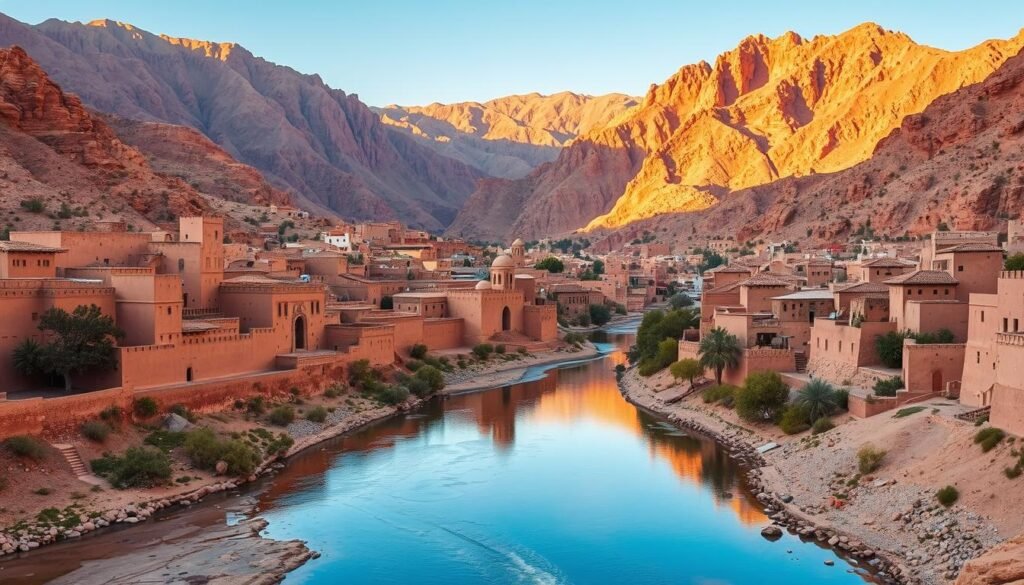
In addition to Volubilis and Aït Benhaddou, Morocco is home to many other historical wonders worth visiting, such as the ancient city of Lixus, the kasbahs of Ouarzazate, and the archaeological site of Chellah in Rabat. These sites offer a glimpse into Morocco’s rich and diverse history, making them a must-visit for any traveler interested in historical sights.
Navigating Transportation in Morocco
Navigating Morocco’s transportation system is easier than you think, with a little insider knowledge. Morocco offers a diverse range of transportation options, catering to different budgets, preferences, and travel styles. Whether you’re exploring the vibrant streets of Marrakech or venturing into the serene countryside, understanding the local transportation network can make a significant difference in your travel experience.
Getting Around Cities
Moroccan cities are bustling with activity, and getting around can be an adventure. In cities like Marrakech and Fes, petit taxis are a convenient way to navigate the urban landscape. These small, usually brightly colored taxis, are affordable and can be hailed on the street. However, it’s essential to agree on the fare before you start your journey to avoid any confusion. For a more comfortable and private experience, consider hiring a grand taxi for the day. Local buses are another option, offering an economical way to get around, though they might not always be the most comfortable choice for short distances.
Walking is also a great way to explore Moroccan cities, allowing you to discover hidden gems and experience the local culture firsthand. However, be prepared for crowded streets and chaotic traffic. Leaving early in the morning can help you avoid the peak traffic time, making your journey smoother.
Intercity Travel Options
For traveling between cities, Morocco has a relatively well-developed transportation network. The train network, operated by ONCF, is efficient and comfortable, connecting major cities like Marrakech, Fes, and Rabat. For destinations not covered by the train network, long-distance buses operated by companies like CTM and Supratours are a good alternative. Shared grand taxis are another option, offering a more personalized service, though they typically depart when full, which can sometimes mean waiting for a while.
For longer journeys or when time is of the essence, domestic flights can be a convenient option, significantly reducing travel time between distant cities. However, this comes at a higher cost and might not be feasible for all budgets.
Should You Hire a Driver?
Hiring a private driver can be a lot more convenient, especially if you’re short on time or prefer a more personalized service. A local driver can provide valuable insights into the culture and help navigate the sometimes complex road network. However, this convenience comes at a cost. Weigh the benefits against your budget and travel plans to decide if hiring a driver is the right choice for you.
In conclusion, Morocco’s transportation options are varied and can cater to different needs. By understanding the available choices and planning ahead, you can navigate Morocco with ease, making the most of your travel experience.
Cultural Experiences Not to Miss
One of the most memorable aspects of traveling in Morocco is the opportunity to engage with its vibrant culture. As you explore this enchanting land, you’ll discover that it’s not just about visiting famous landmarks, but also about immersing yourself in the local way of life.
Traditional Hammam Spa Experiences
A visit to a traditional hammam is a must-have experience in Morocco. A hammam is more than just a spa; it’s a cultural institution where locals gather to socialize and relax. When you step into a hammam, you’ll be enveloped in a warm, steamy atmosphere that’s both calming and invigorating. The ritual typically involves a thorough scrubbing, followed by a massage, leaving you feeling refreshed and rejuvenated. From luxury hotel spas to local neighborhood bathhouses, each hammam offers a unique experience. Be sure to respect local etiquette by being mindful of your surroundings and following the rules of the hammam.
Experiencing the Call to Prayer
The call to prayer, echoing across Moroccan cities five times a day, is an unforgettable experience. To truly appreciate its cultural significance, take time to observe this important aspect of daily life respectfully. Find a quiet place to sit, and let the melodic chant wash over you. It’s a powerful reminder of the country’s rich spiritual heritage. As you listen, you’ll gain a deeper understanding of the local culture and its rhythms.
Connecting with Local Communities
Morocco is a country that’s deeply rooted in its traditions and community. To truly experience the local culture, consider participating in community-based tourism initiatives. You could visit women’s cooperatives, where you can learn about traditional crafts and support local artisans. Alternatively, attend a local festival or simply accept an invitation for tea in someone’s home, which is a great way to connect with the community in a warm and welcoming room. These experiences will not only enrich your travels but also leave a positive impact on the places you visit.
Other cultural experiences worth seeking out include attending a lila (traditional Gnawa music ceremony), visiting a rural weekly souk (market), or spending time in a traditional Moroccan living room learning about family life. Each of these experiences offers a unique glimpse into the country’s rich cultural tapestry, making your trip to Morocco truly unforgettable.
Practical Tips for a Smooth Moroccan Journey
With these insider tips, you’ll be well-equipped to handle the ups and downs of traveling in Morocco. Morocco is a country that can be both exhilarating and challenging, but with the right guidance, you can navigate its complexities with ease.
Safety Advice for Solo and Female Travelers
Morocco is generally a safe country for solo and female travelers, but it’s essential to take certain precautions. Dress modestly to respect local customs and avoid unwanted attention. Be mindful of your surroundings, especially in crowded areas, and keep your belongings secure. If you encounter harassment, stay calm and assertive, and don’t hesitate to seek help from local authorities or your hotel.
When exploring the medinas, consider hiring a local guide who can provide valuable insights and help you navigate the maze-like streets. This can be a great way to enhance your experience and ensure your safety.
Dealing with Touts and Haggling
Touts and persistent guides can be a challenge in Morocco, but there are effective ways to handle them. A polite but firm refusal in Arabic or French can go a long way. For example, saying “La shukraan” (no thank you) or “Je suis intéressé, mais plus tard” (I’m interested, but later) can help deter unwanted attention. When haggling, start with a low offer, and be prepared to walk away if the price isn’t right. Remember, haggling is a cultural exchange as much as a practical skill.
You also don’t have to barter – if you have the means, paying the original asking price can be a way to share the wealth. However, be aware that this might be seen as unusual by locals.
Money Matters and Tipping
Understanding the local currency and tipping customs can help you budget effectively. The Moroccan dirham is the local currency, and it’s a good idea to have some cash on hand, especially when visiting rural areas. Credit cards are widely accepted in larger towns and cities, but not everywhere. ATMs are available in most towns, but be aware of potential fees.
| Service | Typical Tip |
|---|---|
| Restaurant service | 10-15 dirhams |
| Tour guides | 50-100 dirhams per day |
| Hotel staff | 10-20 dirhams per bag |
Budgeting for your trip depends on your travel style, but a daily budget of 500-1000 dirhams per person is a good starting point. This can cover accommodation, food, and activities. With these practical tips, you’ll be well-prepared to make the most of your time in Morocco every day.
Crafting Your Perfect Morocco Itinerary
Crafting the perfect Morocco itinerary involves balancing culture, adventure, and relaxation in this enchanting country. With so much to see and do, from exploring vibrant cities to trekking through the Atlas Mountains, creating a well-rounded trip can be challenging.
To help, we’ve outlined several itinerary options tailored to different trip lengths, ensuring that you can make the most of your time in Morocco. Whether you’re looking for a quick taste of the country’s highlights or an in-depth exploration, our guides will help you plan your dream trip.
7-Day Highlights Tour
For travelers with limited time, a 7-day Morocco itinerary is an excellent way to experience the country’s key attractions. This tour typically focuses on Marrakech, Fes, and either the Sahara Desert or the Atlas Mountains. You’ll have the chance to explore bustling souks, visit historic sites, and enjoy the natural beauty of Morocco’s diverse landscapes.
Starting in Marrakech, you’ll immerse yourself in the city’s vibrant culture, visiting famous landmarks like the Jardin Majorelle and exploring the bustling souks. From there, you’ll travel to Fes, one of Morocco’s oldest imperial cities, where you can wander through the ancient medina and visit historic mosques and madrasas.
10-Day Comprehensive Itinerary
A 10-day itinerary gives enough time to experience the full diversity of Morocco, from its imperial cities to its stunning natural landscapes. This guide allows you to visit Marrakech, Fes, and other destinations at a relaxed pace, with opportunities to explore coastal towns, mountains, or the desert.
With 10 days, you can enjoy a more leisurely pace, taking time to soak up the atmosphere in each location. You might choose to visit the coastal town of Essaouira, relax on the beach, and enjoy fresh seafood. Alternatively, you could explore the Atlas Mountains, staying with local Berber families and hiking through picturesque villages.
Two-Week In-Depth Exploration
For those with two weeks, Morocco offers endless possibilities for exploration. This in-depth itinerary allows you to venture beyond the typical tourist circuit, visiting places like Chefchaouen, the Middle Atlas, and the southern oases. With built-in relaxation days, you’ll have the chance to unwind and truly experience the local culture.
Over two weeks, you can explore Morocco’s hidden gems, from the blue-painted town of Chefchaouen to the ancient kasbahs of the south. This itinerary provides the flexibility to adjust your plans based on your interests and preferences, ensuring a truly personalized Moroccan adventure.
By following these itinerary guides, you can create a memorable and fulfilling trip to Morocco, tailored to your interests and travel style. Whether you’re looking for culture, adventure, or relaxation, Morocco has something to offer every traveler.
When Things Don’t Go as Planned: Lessons from Our Morocco Travel Blog
Despite the best preparations, our Moroccan adventure had its share of mishaps. Traveling to Morocco can be a thrilling experience, but it’s essential to be prepared for the unexpected. In this section, we’ll share our personal experiences and practical advice on handling common challenges that can occur during a trip to Morocco.
Dealing with Food Poisoning and Illness
One of the most significant risks while traveling in Morocco is food poisoning. To minimize this risk, it’s crucial to be mindful of what you eat and drink. Stick to bottled or filtered water, avoid undercooked meat, and choose busy restaurants where food is freshly prepared. If you do fall ill, know that pharmacies in major cities like Marrakech and Fes are well-stocked with medications, and pharmacists often speak some English. Pack essential medications, including those for digestive issues, and know when to seek medical help.
Communicating your dietary needs can also help prevent illness. Learning a few key phrases in Arabic or French, such as “I am allergic to…” or “I don’t eat meat,” can go a long way. Don’t hesitate to ask your hotel or tour operator for assistance if you’re unsure about food safety.
Weather Surprises and How to Adapt
Morocco’s climate can be surprisingly variable, with unexpected rain in the desert or snow closing mountain passes. We experienced this firsthand when a rainstorm hit the Sahara after three years of drought. While it was a welcome relief for the locals, it dampened our stargazing plans. To adapt to such weather surprises, stay flexible with your itinerary and pack accordingly. Bring layers for cooler mornings and evenings, even in summer, and be prepared for rain in the desert or mountains during other seasons.
Checking local weather forecasts before heading out and staying informed about potential weather events can help you make the most of your trip. Sometimes, a change in plans can lead to new, unexpected adventures.
When Tours Disappoint
Not all tours live up to their promises, especially for popular routes like the Marrakech-Fes desert tour. To avoid disappointment, research your tour operator thoroughly, reading reviews carefully and understanding what’s included. If a tour doesn’t meet your expectations, communicate your concerns to the operator. In our case, we were able to get a refund, though we lost valuable time. Being prepared and knowing your rights as a traveler can make a significant difference.
Traveling is about more than just seeing sights; it’s about resilience, flexibility, and the stories we tell afterward. Even challenging moments can become the most memorable parts of our trip, teaching us valuable lessons and providing opportunities for growth.
Conclusion: The Enduring Magic of Morocco
As I reflect on my journey through Morocco, I’m reminded of the country’s unique ability to challenge and enchant travelers. Morocco is an incredible destination that, at times, can be overwhelming, yet it was this very complexity that made my experience so rewarding.
The vibrant souks, the majestic landscapes, and the warm hospitality all combined to create a travel experience that was truly unforgettable. While navigating the bustling medinas and dealing with the occasional tout can be stressful, these challenges often led to the most authentic and memorable moments of my trip.
Years after my visit, the sights, sounds, and tastes of Morocco continue to resonate with me. The memories of watching the sunset over the Sahara Desert, far away from the comforts of home, remain etched in my mind. It’s a testament to the enduring magic of Morocco, a country that leaves a lasting impression on all who visit.
As you plan your own Moroccan adventure, I encourage you to approach it with an open mind and heart. Be prepared to embrace both the expected highlights and the unexpected discoveries that make traveling in Morocco so rich and rewarding. This Morocco travel blog is a reflection of my own journey, and I hope it inspires you to create your own unforgettable experiences in this enchanting land.
In the end, Morocco is a destination that will stay with you for years to come, a place where the distance feels far away, yet the memories remain close to your heart.