Uncover the Wonders of Morocco: A Travel Guide
Morocco Travel Guide: Embark on a fascinating journey to North Africa, where the ancient and modern blend seamlessly. Morocco, with its rich history and diverse landscapes, offers an unforgettable experience for travelers.
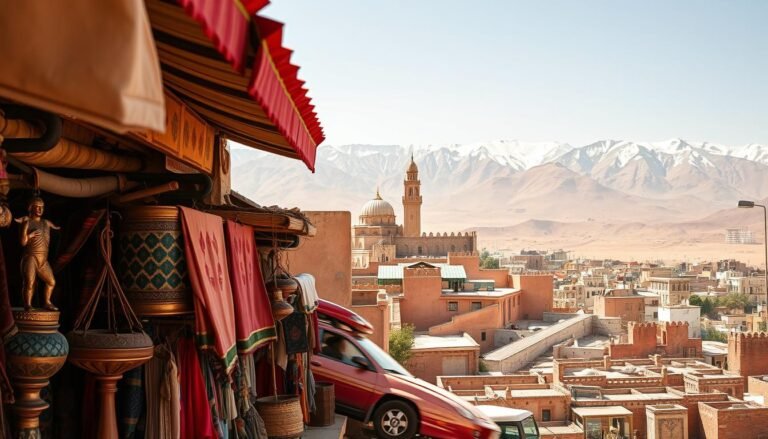
This captivating destination is a bridge between Europe and Africa, creating a unique cultural tapestry. From the ancient medinas and imperial cities to the stunning Atlas Mountains and Sahara Desert landscapes, Morocco is a treasure trove of cultural insights and breathtaking scenery.
Our comprehensive travel guide is designed to help you plan your trip with insider tips on destinations, cultural etiquette, and practical travel advice, ensuring a confident and enriching journey.
Discover the Magic of Morocco
Morocco’s diverse landscapes and rich history make it a fascinating destination. The country’s history has been shaped by various cultures, including Berber, Arab, and European influences, creating a unique cultural identity.
A Land of Contrasts and Culture
Morocco is a land of contrasts, where modern cities coexist with ancient traditions. The country’s cultural practices are reflected in its vibrant architecture, from Islamic structures to French colonial buildings. As “a melting pot of cultures”, Morocco offers a rich tapestry of experiences for visitors.
Rich History and Diverse Landscapes
The country’s landscapes vary greatly, from the Rif Mountains to the Sahara Desert. Each region has its own distinct character, influenced by its history and geography. Visitors can explore ancient Roman ruins, medieval medinas, and imperial cities, showcasing Morocco’s rich heritage.
As a travel destination, Morocco has something to offer for everyone, whether it’s exploring the bustling souks or relaxing in a serene riad garden.
Planning Your Ultimate Morocco Travel Guide
Morocco, with its diverse landscapes and rich culture, demands careful planning for an unforgettable experience. Whether you’re looking to explore the bustling streets of Marrakech, relax on the beaches of Essaouira, or trek through the Atlas Mountains, understanding the best time to visit and how to budget your trip is crucial.

Best Seasons to Visit Different Regions
The best time to visit Morocco varies by region. The coastal areas are pleasant year-round, while the desert regions are best visited during the cooler months from October to April. For the Atlas Mountains, summer is ideal for trekking.
Visa Requirements and Entry Information
Before planning your trip, check the visa requirements for your nationality. Many countries have visa-free access to Morocco for a certain period. Ensure your passport is valid for at least six months beyond your planned departure date.
Ideal Trip Duration and Budget Considerations
For a fulfilling adventure, consider the duration of your trip and budget. For exploring a single region, 7-10 days is sufficient, while a comprehensive tour requires at least 14 days. Daily budgets can range from $30-50 for budget travelers, $100-150 for mid-range, and $250+ for luxury experiences. Accommodation options vary from hostels ($10/night) to luxury riads ($150/night), and meals can be quite affordable at local eateries ($5-30).
To save money, consider eating at local food stalls, using public transportation, and visiting free attractions like medinas and markets. Planning your trip during the shoulder season can also help reduce costs.
Must-Visit Destinations in Morocco
The allure of Morocco lies in its eclectic mix of imperial cities, coastal gems, and breathtaking natural wonders.

Imperial Cities: Marrakech, Fez, Rabat, and Meknes
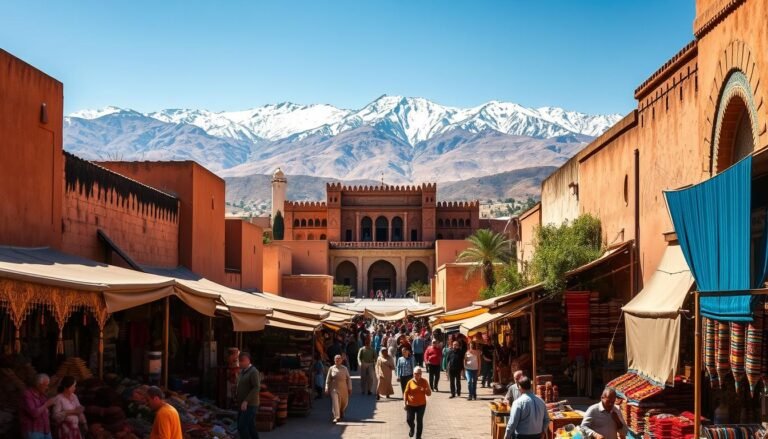
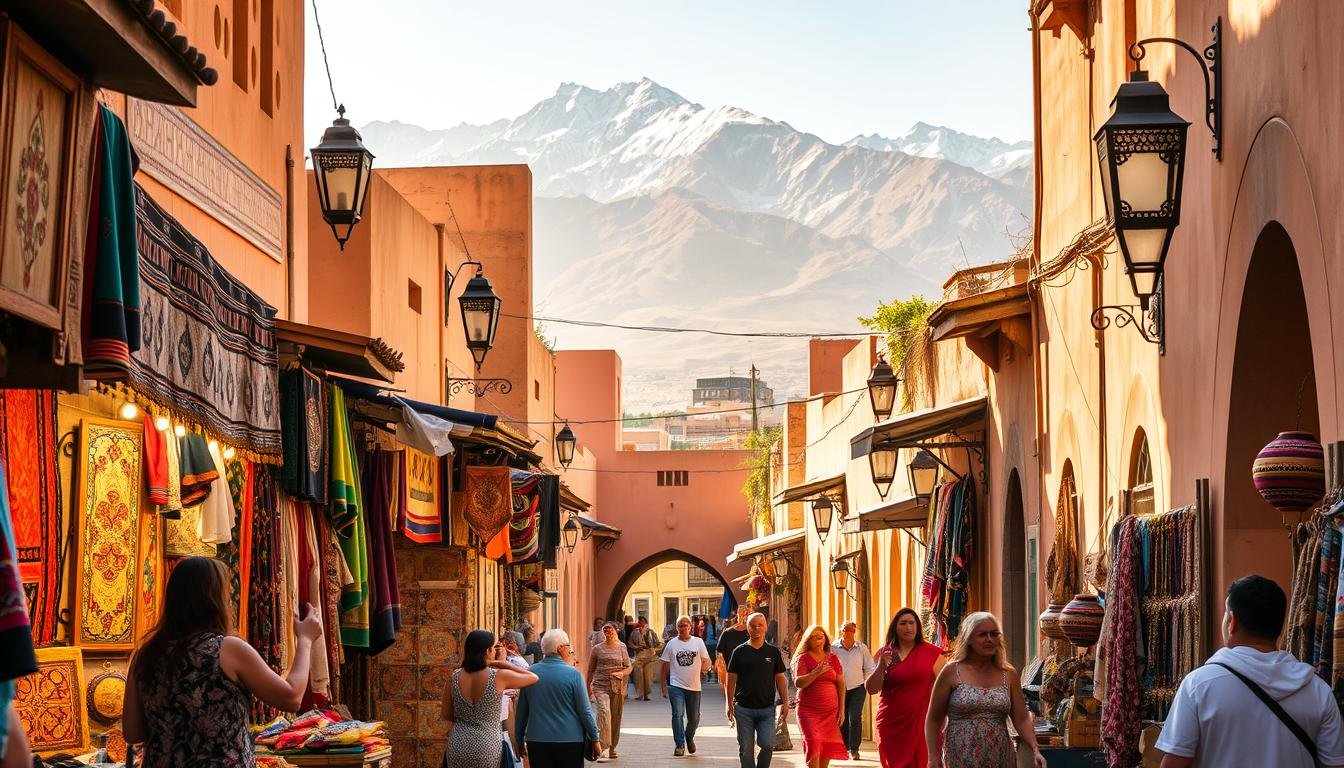
Morocco’s imperial cities are a treasure trove of history and culture. Marrakech is known for its vibrant souks and stunning architecture, while Fez boasts one of the world’s oldest universities and a rich cultural heritage. Rabat, the capital, offers a blend of modern and traditional attractions, and Meknes is famous for its historical sites and robust city walls. These towns are a must-visit place for anyone interested in history and culture.
Coastal Treasures: Essaouira, Tangier, and Casablanca
The coastal towns of Morocco offer a unique blend of tranquility and vibrant culture. Essaouira is a charming spot known for its beautiful beaches and artistic community. Tangier boasts a rich history and stunning coastal views, while Casablanca is a bustling metropolis with modern attractions. These coastal gems are perfect for those looking to relax by the sea.
Mountain and Desert Wonders: Atlas Mountains and Sahara
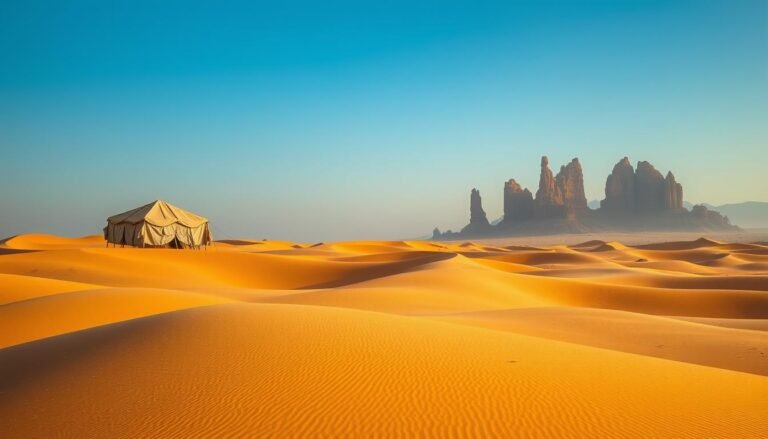
For adventure seekers, the Atlas Mountains offer trekking opportunities through traditional Berber villages like Imlil and Aroumd, with the chance to summit Mount Toubkal, North Africa’s highest peak. The Sahara Desert is another highlight, where visitors can experience camel treks and stay in desert camps. A visit to the nearby village of Merzouga is a highlight, offering a gateway to the Sahara’s majestic dunes.
Suggested Itineraries for Morocco
Embarking on a journey through Morocco requires some planning to ensure you make the most of your time in this captivating country. With its diverse landscapes, rich history, and vibrant culture, Morocco offers a unique travel experience.

Northern Morocco Adventure
A 7-10 day trip to Northern Morocco is ideal for exploring the imperial cities, including Rabat and Meknes, and enjoying the picturesque blue city of Chefchaouen.
Southern Morocco and Desert Experience
For a 7-10 day adventure in Southern Morocco, consider visiting the Sahara Desert, exploring the Atlas Mountains, and experiencing the vibrant energy of Marrakech.
Two-Week Grand Morocco Tour
A comprehensive itinerary for a two-week trip to Morocco could include visiting the imperial cities of Marrakech, Fez, Rabat, and Meknes, exploring the blue city of Chefchaouen, and experiencing the desert landscapes of the Sahara.
Understanding Moroccan Architecture and Heritage
Morocco’s built environment is a testament to its diverse cultural influences, from Islamic to Mediterranean styles. This blend is evident in its historic cities, where architecture plays a significant role in defining the cultural identity.
Medinas, Kasbahs, and Ksars Explained
Morocco is home to numerous medinas, kasbahs, and ksars, each with its unique history and architectural style. A medina is the old city center, often surrounded by walls, while a kasbah is a fortified area, typically housing important buildings. Ksars, or fortified villages, are found in the southern regions. These structures are an integral part of Morocco’s heritage.

The Art of Moroccan Riads and Gardens
Moroccan riads are renowned for their beauty, featuring intricate tile work, carved wood, and serene gardens. These houses, often converted into riads, showcase the country’s architectural craftsmanship. The tranquil gardens provide a peaceful oasis, reflecting the importance of nature in Moroccan design.
Religious Sites: Mosques, Medersas, and Zaouïas
In this Muslim country, mosques serve as a central place of worship and community gathering. Notable examples include the Hassan II Mosque in Casablanca, which is open to non-Muslim visitors. Medersas, or Koranic schools, are admired for their stunning architecture, while zaouïas are religious complexes that often include a mosque and facilities for travelers.
Cultural Experiences and Traditions
The cultural landscape of Morocco is a vibrant tapestry woven with diverse traditions and experiences. Morocco’s rich cultural heritage is reflected in its various festivals, traditional practices, and performances.
Moroccan Festivals and Moussems
Moroccan festivals, known as moussems, are vibrant celebrations that showcase the country’s cultural diversity. These events often feature traditional music, dance, and equestrian performances, attracting visitors from around the world. You can spot the excitement in the air as locals and tourists alike gather to experience the cultural richness of these festivals.
Traditional Hammam Experience
A visit to a traditional hammam is a quintessential Moroccan experience. These public bathhouses offer a relaxing and rejuvenating experience, particularly for women who gather to socialize and unwind. The hammam is a home away from home, where you can indulge in traditional scrubbing and pampering rituals.
Fantasia Shows and Cultural Performances
Fantasia, also known as Tbourida, is a thrilling equestrian performance that showcases Morocco’s rich cultural heritage. Riders in traditional attire charge forward on horseback, firing rifles in synchronized displays of skill and horsemanship. You can witness these spectacular performances at cultural festivals and events, making for an unforgettable experience.
Other cultural performances you might encounter include Gnawa music, Andalusian orchestras, and lively folk dances specific to different regions. These events offer a glimpse into Morocco’s diverse cultural landscape, making your visit a truly immersive experience.
Moroccan Cuisine and Dining Etiquette
Moroccan cuisine, with its intricate blend of spices and flavors, is a significant part of the country’s identity. The rich culinary heritage is reflected in its traditional dishes and dining customs.
Essential Dishes: Tagine, Couscous, and Street Food
Tagine and Couscous are staples of Moroccan cuisine. Tagine is a slow-cooked stew named after the earthenware pot in which it’s cooked, while Couscous is a North African dish made from semolina flour. Street food is also a vital part of the culinary landscape, offering a variety of flavors and textures. Try the local street food for an authentic taste of Morocco.
The Ritual of Mint Tea and Coffee
Mint tea is an integral part of Moroccan culture, symbolizing hospitality. Coffee is also served, often with a touch of spice. Enjoying these beverages is a significant part of the dining experience, often savored during or after meals, taking time to relax and socialize.
Dining Customs and Restaurant Tips
When dining, it’s customary to eat with your right hand, especially with communal dishes. Many restaurants offer a communal dining experience. Be prepared to spend money on food, and note that while touristy restaurants accept credit cards, local eateries often only accept cash. Tipping around 10% is customary.
Practical Travel Tips for Morocco
As you prepare for your trip to Morocco, it’s essential to be aware of some practical travel tips to make your journey smoother and more enjoyable.
Money Matters: Currency, ATMs, and Payments
Morocco’s currency is the dirham, and while credit cards are accepted in many tourist areas, cash is still king. You can withdraw dirhams from ATMs using your debit or credit card, but be aware of potential foreign transaction fees. It’s also a good idea to have some local currency for small purchases or when traveling to rural areas.
Transportation Options Between and Within Cities
Morocco has a well-developed transportation network, including buses, trains, and taxis. Trains are a convenient way to travel between major cities like Marrakech and Fez. Within cities, you can use taxis or ride-hailing apps. For a more flexible travel experience, consider renting a car.
Safety Tips and Avoiding Common Scams
While Morocco is generally a safe destination, petty theft and scams can occur, especially in crowded tourist areas. Be cautious of overly friendly locals who offer unsolicited assistance, and never give money to unlicensed guides. Use official taxis and keep your valuables secure. By being aware of these potential issues, you can have a safe and enjoyable trip.
Accommodation Choices Across Morocco

From luxurious riads to desert camps, Morocco’s accommodation options are as varied as they are exciting. Travelers can choose from a wide range of experiences, each offering a unique glimpse into Moroccan culture and hospitality.
Authentic Riad Experiences
Morocco is famous for its riads, traditional houses with interior gardens. These riads offer an authentic experience, with many now converted into boutique hotels and guesthouses. They provide a serene atmosphere, often with beautifully decorated interiors and tranquil courtyards.
Hotels, Hostels, and Budget Options
For those on a budget or looking for a more modern experience, Morocco has a range of hotels and hostels. From luxury hotels in major cities to simple hostels in rural areas, there’s something for every traveler’s budget. Many of these establishments offer convenient locations, often near major attractions or transportation hubs like the airport.
Unique Stays: Desert Camps and Mountain Lodges
For a truly unique experience, consider staying in a desert camp or mountain lodge. Desert camps offer the chance to sleep under the stars after a camel trek across the dunes, with some luxury camps featuring en-suite bathrooms and gourmet dining. Evenings can be chilly, so be sure to pack warm clothes for the night. In the Atlas Mountains, lodges and guesthouses provide bases for hiking and experiencing Berber culture.
Conclusion: Embracing the Moroccan Journey
As we conclude our journey through Morocco, it’s clear that this captivating country offers a diverse array of experiences. From the snow-capped Atlas Mountains to the golden Sahara dunes, Morocco’s incredible diversity makes it a traveler’s paradise.
Morocco rewards travelers who approach it with curiosity, respect, and flexibility. The country’s rich cultural heritage, stunning architecture, and warm hospitality make it a rewarding destination for those seeking authentic experiences. Visitors are often left with lasting impressions, including sensory memories of spice-filled souks, the call to prayer echoing across medinas, and the taste of perfectly prepared tagine.
To make the most of your Moroccan adventure, consider embracing responsible tourism practices. This includes supporting local artisans, respecting customs and traditions, minimizing environmental impact, and contributing positively to the communities you visit. By doing so, you’ll not only create unforgettable memories but also help preserve Morocco’s cultural and natural heritage.
As you plan your Morocco travel guide and adventure, remember to stay open to unexpected experiences, allow time for spontaneous discoveries, and connect with local people beyond transactional relationships. Whether you’re drawn to cultural exploration, outdoor adventures, culinary discoveries, or simply relaxation, Morocco offers experiences that will exceed expectations and create memories to last a lifetime.
Now, it’s time to begin planning your own journey to Morocco. With this travel guide, you’re ready to embark on an unforgettable trip and make your way back home with cherished memories.