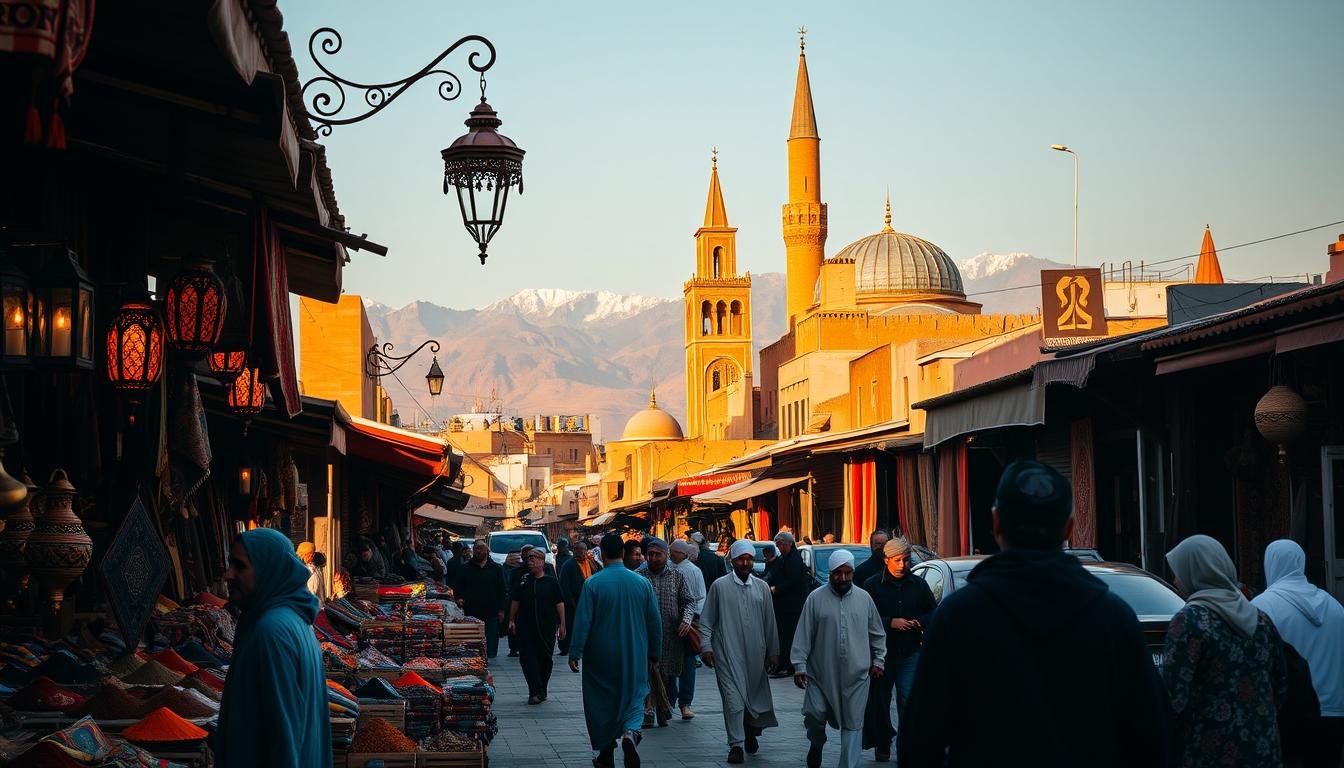
Plan Your Perfect Morocco Vacation with This Travel Itinerary
Morocco Travel Itinerary: Discover the best time to visit, transportation options, and must-see attractions that will make your experience unforgettable. From the bustling medinas of Marrakech to the serene blue streets of Chefchaouen and the golden dunes of the Sahara Desert, this guide has everything you need to create a personalized travel itinerary.
By the end of this guide, you’ll be equipped with all the necessary information to make the most of your trip and create memories that will last a lifetime.
Discovering the Magic of Morocco
Morocco, a land of vibrant colors and rich cultural heritage, beckons travelers from around the world. This North African country is a treasure trove of diverse experiences, from the bustling streets of its cities to the serene expanses of the desert.
What Makes Morocco a Unique Destination
Morocco stands out as a unique travel destination due to its blend of Arab, Berber, and European influences. This cultural melting pot is reflected in its architecture, cuisine, and way of life. Visitors can explore ancient medinas, vibrant souks, and stunning natural landscapes, making it a fascinating part of any travel itinerary.
Best Time to Visit Morocco
Understanding the best time to visit Morocco is crucial for a pleasant trip. The country’s climate varies significantly across different regions.
- The spring (March to May) and fall (September to November) are considered ideal, offering pleasant temperatures across most of the country.
- Summer months (June to August) can be extremely hot, especially in interior cities like Marrakech and Fez.
- Winter (December to February) brings cooler temperatures and potential snow in the Atlas Mountains, ideal for city exploration but less so for desert excursions.
Coastal cities enjoy milder temperatures year-round, making them pleasant to visit even during the summer. It’s also worth considering the Islamic holy month of Ramadan, which can impact travel experiences due to limited hours in restaurants and shops during the day.
| Season | Best For | Weather |
|---|---|---|
| Spring (March to May) | Exploring cities and natural landscapes | Pleasant temperatures |
| Summer (June to August) | Coastal activities | Extremely hot in interior cities |
| Fall (September to November) | City exploration and desert excursions | Mild temperatures |
| Winter (December to February) | City exploration and Atlas Mountains | Cooler temperatures, potential snow |
How Many Days Do You Need for a Morocco Travel Itinerary?
A well-planned Morocco travel itinerary is essential to enjoying this fascinating country, but how many days do you really need? The ideal duration for a Morocco trip varies depending on several factors, including your travel style, interests, and the regions you plan to visit.
Factors to Consider When Planning Your Trip Length
When deciding on the length of your trip, consider the time you have available, your budget, and what you want to achieve during your visit. Morocco is a country with a rich history, diverse landscapes, and vibrant culture, offering countless experiences. The days you allocate should allow you to explore at a comfortable pace, taking into account travel times between destinations and the activities you wish to enjoy.
Recommended Minimum Stay
While it’s possible to get a glimpse of Morocco in a shorter trip, a minimum stay of 7 to 10 days is recommended to get a more immersive experience. This duration allows you to visit a few key destinations without feeling rushed, giving you a taste of the country’s diverse offerings.
Ideal Duration for a Comprehensive Experience
For a truly comprehensive experience of Morocco, 10-14 days is ideal. This longer duration enables you to explore multiple regions at a leisurely pace. You can visit the imperial cities, relax in coastal towns, and venture into the Atlas Mountains or the Sahara Desert. With more time, you can include authentic cultural experiences, such as cooking classes or visits to traditional Berber villages, making your trip even more memorable.
- Explore multiple regions without feeling rushed
- Visit both popular and off-the-beaten-path destinations
- Enjoy authentic cultural experiences
- Have recovery days between long journeys
Getting Around Morocco: Transportation Options
To truly experience Morocco, understanding the transportation landscape is key, whether you’re looking for convenience, affordability, or adventure. Morocco offers a variety of transportation options to suit different travel styles and itineraries.
Renting a Car in Morocco

Renting a car in Morocco provides the freedom to explore at your own pace. Several international car rental companies have offices at major airports and cities, making it relatively easy to pick up and drop off vehicles. However, driving in Morocco can be challenging due to the chaotic traffic and different driving habits.
Tips for Renting a Car: Ensure you choose a reputable company, check the vehicle’s condition, and understand the insurance options. Be prepared for aggressive driving and narrow roads in some areas.
Public Transportation and Guided Tours

For those who prefer not to drive, Morocco has an extensive network of buses and trains connecting major cities. Supratours and CTM are two of the main bus companies, while the ONCF train network offers comfortable and relatively fast travel between cities like Marrakech, Fez, and Tangier.
Guided tours are another excellent way to explore Morocco, especially for those interested in cultural and historical insights. Many tour operators offer packages that include transportation, accommodation, and guided visits to attractions.
Domestic Flights Between Major Cities
Domestic flights can be a time-efficient way to cover Morocco’s vast distances, particularly useful for travelers with limited vacation time who want to experience both the north and south of the country. Royal Air Maroc operates the majority of domestic routes, connecting cities like Casablanca, Marrakech, Fez, Tangier, and Ouarzazate.
- Flights are relatively affordable, especially when booked in advance, and can save entire days of travel time compared to ground transportation.
- Most major airport cities have international airports, with Casablanca Mohammed V Airport serving as the country’s main hub for both international and domestic connections.
- Consider the added time for airport transfers, security, and potential delays when deciding between flying and ground transportation.
Where to Stay in Morocco: Accommodation Guide
Morocco offers a diverse range of accommodations to suit every traveler’s needs, from traditional riads to modern luxury hotels. Whether you’re looking for an authentic local experience or a luxurious getaway, Morocco has something for everyone.
Traditional Riads: The Authentic Moroccan Experience
Traditional riads are a hallmark of Moroccan architecture, characterized by their interior gardens and intricate designs. Staying in a riad is a great way to experience the local culture and hospitality. Some of the best riads in Morocco can be found in Marrakech, Fez, and Chefchaouen.

Luxury Hotels and Resorts
For those seeking a more luxurious experience, Morocco boasts an array of high-end hotels and resorts. These establishments offer top-notch amenities, fine dining, and exceptional service. When searching for luxury hotels in Morocco, consider locations in major cities like Marrakech and Rabat.

Budget-Friendly Options and Hostels
Budget travelers will find numerous affordable accommodation options throughout Morocco. From simple guesthouses and budget riads to modern hostels in major tourist destinations, there’s something for every budget. Many of these places offer not just a place to stay but also opportunities to connect with other travelers and locals.
- Hostels have flourished in cities like Marrakech, Fez, and Chefchaouen, offering dormitory beds from around $10-15 per night and private rooms from $25-30.
- Many budget riads offer the same architectural beauty and central locations as their more expensive counterparts, just with simpler furnishings and fewer amenities.
- For longer stays or groups, apartment rentals can be economical, especially in the modern districts of major cities or in coastal towns popular with domestic tourists.
- Budget accommodations often provide valuable opportunities to connect with other travelers and locals, with communal spaces and organized activities that facilitate cultural exchange and shared experiences.
When traveling to a new city, staying in a central location can greatly enhance your experience, allowing easy access to main attractions and local amenities.
The Perfect 5-Day Morocco Travel Itinerary
Embark on a journey through Morocco with a carefully crafted 5-day itinerary that blends vibrant culture, stunning landscapes, and unforgettable experiences. This journey is designed to take you through the heart of Morocco, showcasing its diverse beauty and rich heritage.
Day 1-2: Exploring Marrakech
Your adventure begins in Marrakech, a city that pulsates with energy. Spend your first two days exploring the vibrant souks, marveling at the architecture, and immersing yourself in the local culture. Visit the iconic Jardin Majorelle, wander through the bustling Jemaa el-Fnaa square, and get lost in the narrow alleys of the Medina. Marrakech is a sensory overload in the best possible way, with its rich colors, sounds, and aromas.

Day 3-4: Journey to the Sahara Desert
After soaking up the atmosphere in Marrakech, it’s time to venture into the Sahara Desert. The drive is long, but the scenic views along the way make it worthwhile. Upon arrival, experience the tranquility of the desert, enjoy a camel ride, and witness the breathtaking sunset over the dunes. Spend the night under the stars at a desert camp, where you can enjoy traditional Berber music and cuisine.
- Wake up early to witness the magical desert sunrise, with its ever-changing colors painting the dunes in hues of gold, orange, and pink.
- Enjoy the serene atmosphere of the desert, taking time to appreciate the vast expanse of the Sahara.
Day 5: Return to Marrakech
After breakfast, begin your journey back to Marrakech, taking a different route if possible to experience new landscapes along the way. The drive back is approximately 8-9 hours, so it’s a good idea to break up the journey with strategic stops at interesting villages or scenic viewpoints.
| Stop | Approximate Time | Activity |
|---|---|---|
| Kasbah de Aït Benhaddou | 2 hours | Explore the UNESCO World Heritage site |
| Tin Mal Mosque | 3.5 hours | Visit the historic mosque |
| Marrakech | 8-9 hours | Return to Marrakech, relax at a hammam, and enjoy a farewell dinner |
Upon returning to Marrakech in the evening, treat yourself to a relaxing hammam to wash away the desert dust and rejuvenate after your journey. Spend your final evening enjoying a farewell dinner at one of Marrakech’s fine restaurants.
7-Day Morocco Travel Itinerary: The Northern Route
Embark on a captivating journey through Morocco’s northern route with our 7-day travel itinerary. This journey promises a mix of cultural immersion, historical exploration, and breathtaking landscapes.
Day 1-2: Tangier and Its Surroundings
Begin your adventure in Tangier, a city that has been a crossroads of cultures for centuries. Spend your first two days exploring the city’s vibrant medina, visiting the Kasbah, and enjoying the stunning views of the Strait of Gibraltar. Take a day trip to the nearby Hercules Caves and the picturesque village of Asmara. The blend of African, Arab, and European influences makes Tangier a unique place to experience.

Day 3-4: The Blue City of Chefchaouen
On day three, travel to Chefchaouen, famously known as the Blue City. This enchanting town is nestled in the Rif Mountains and is characterized by its blue-painted buildings. Spend your days exploring the narrow streets, visiting local artisans, and hiking in the surrounding mountains. Chefchaouen offers a tranquil atmosphere and a chance to experience the natural beauty of Morocco.
“Chefchaouen’s blue hues create a surreal atmosphere, making it a photographer’s paradise.” – Traveler’s Journal
Day 5-6: Cultural Immersion in Fez
Travel to Fez, one of Morocco’s oldest imperial cities, on day five. Fez is a city that is steeped in history and culture. Explore the ancient Medina, a UNESCO World Heritage site, visit the Al-Attarine Madrasa, and experience the bustling souks. Fez offers a deep dive into Morocco’s rich cultural heritage and is a city that will leave a lasting impression.
| City | Main Attractions | Experience |
|---|---|---|
| Tangier | Kasbah, Hercules Caves | Cultural diversity |
| Chefchaouen | Blue-painted buildings, Rif Mountains | Natural beauty |
| Fez | Ancient Medina, Al-Attarine Madrasa | Rich cultural heritage |
Day 7: Exploring Marrakech
On your final day, travel to Marrakech, either by flight from Fez or by train, which takes approximately 7 hours. Make the most of your limited time by focusing on the highlights: visit the bustling Jemaa el-Fnaa square, explore the Koutoubia Mosque, and discover the historic sites such as Bahia Palace or El Badi Palace. End your northern Morocco adventure with a farewell dinner at a traditional restaurant, perhaps accompanied by live music and dance performances.
- Fly from Fez to Marrakech for the fastest travel option.
- Take a train from Fez to Marrakech to enjoy the scenic views of the countryside.
- Explore Jemaa el-Fnaa square, which transforms from a market to an entertainment venue by night.
- Visit the Koutoubia Mosque, Marrakech’s most famous landmark.
- Enjoy a farewell dinner with live music and dance performances.
This 7-day itinerary offers a comprehensive experience of Morocco’s northern route, blending city life, cultural immersion, and natural beauty. Each day brings a new experience, making this journey unforgettable.
10-Day Comprehensive Morocco Travel Itinerary
Discover the essence of Morocco with a comprehensive 10-day travel itinerary that covers its most iconic destinations. This journey will take you through vibrant cities, majestic landscapes, and rich cultural heritage sites, providing a well-rounded experience of this fascinating country.
Days 1-2: Marrakech Highlights
Begin your adventure in Marrakech, a city that embodies the spirit of Morocco. Spend your first two days exploring the Marrakech Medina, a UNESCO World Heritage site, and marvel at the intricate architecture of the Bahia Palace. Wander through the bustling Djemaa el-Fna square, where you can enjoy local cuisine and street performances. Relax in the serene Majorelle Garden, a beautiful oasis in the heart of the city.
Days 3-4: Atlas Mountains and Ait Ben Haddou
On day three, travel to the Atlas Mountains, where you can explore traditional Berber villages and enjoy the stunning natural scenery. Visit Ait Ben Haddou, a historic fortified village and UNESCO World Heritage site, which has been used as a filming location for numerous movies and TV shows. Experience the warm hospitality of the local communities and learn about their customs and way of life.
Days 5-6: Sahara Desert Experience
Embark on a thrilling adventure into the Sahara Desert on day five. Take a camel ride across the dunes, watching the sunset over the vast expanse of sand. Spend the night in a desert camp, where you can enjoy traditional Moroccan cuisine and entertainment under the stars. The next morning, wake up early to witness the breathtaking sunrise over the desert landscape.
Days 7-8: Fez and Its Ancient Medina
Travel to Fez on day seven, one of Morocco’s oldest and most culturally significant cities. Explore the ancient Medina of Fez, a labyrinthine maze of narrow streets and historic landmarks. Visit the Al-Attarine Madrasa, a beautifully crafted madrasa that showcases the artistry of Moroccan architecture. Immerse yourself in the local culture by visiting traditional craftsmen and artisans.
| Day | Destination | Activities |
|---|---|---|
| 1-2 | Marrakech | Explore Medina, Bahia Palace, Djemaa el-Fna, Majorelle Garden |
| 3-4 | Atlas Mountains, Ait Ben Haddou | Visit Berber villages, Ait Ben Haddou |
| 5-6 | Sahara Desert | Camel ride, desert camp, stargazing |
| 7-8 | Fez | Explore Medina, Al-Attarine Madrasa, visit craftsmen |
| 9-10 | Chefchaouen | Wander blue-washed streets, visit Spanish Mosque, relax in Plaza Uta el-Hammam |
Days 9-10: Chefchaouen and Return
On day nine, travel from Fez to the picturesque Chefchaouen, nestled in the Rif Mountains. Spend your time wandering through the town’s blue-washed streets, photographing the striking color palette, and browsing local handicraft shops. On your final day, take a sunrise hike to the Spanish Mosque for spectacular views over Chefchaouen. Depart for Tangier or Casablanca airport in the afternoon, concluding your Moroccan adventure.
This 10-day itinerary provides a comprehensive exploration of Morocco’s diverse landscapes, cultures, and historical sites, ensuring a memorable and enriching travel experience.
Marrakech: The Red City
Marrakech, known as the Red City, is a vibrant destination that captivates visitors with its rich history and cultural heritage. This dynamic city is a place where tradition meets modernity, creating an unforgettable experience for travelers.

Must-Visit Attractions in Marrakech
Marrakech is home to numerous iconic landmarks that showcase its rich cultural heritage. Visitors can explore the bustling Jemaa el-Fnaa square, which comes alive at night with street performers and food stalls. The Bahia Palace, with its intricate craftsmanship, is another must-visit place that offers a glimpse into the city’s architectural splendor.
The Majorelle Garden, a beautiful botanical garden created by French artist Jacques Majorelle, is a serene oasis in the heart of the city. It’s a great way to experience the natural beauty of Marrakech.
Where to Eat in Marrakech
Marrakech is renowned for its delicious cuisine, which reflects the city’s cultural diversity. Visitors can savor traditional Moroccan dishes at various eateries, from high-end restaurants to local food stalls. Dining in Marrakech is not just about the food; it’s an experience that brings people together.
For an authentic culinary experience, try dining at Dar Yacout, which offers a blend of traditional and modern Moroccan cuisine. It’s a great time to enjoy local flavors.
Shopping in the Souks
Marrakech’s souks are a shopper’s paradise, offering a wide range of goods from leather products to spices and handicrafts. Navigating the labyrinthine souks can be an adventure in itself, but with some tips, you can make the most of your shopping experience. Bargaining is an essential way to get a fair deal, and it’s expected by vendors.
Some of the best souvenirs to look for include leather goods, hand-woven carpets, and colorful ceramics. When shopping, take your time to explore different stalls and don’t hesitate to bargain. Visiting fixed-price shops like Ensemble Artisanal can also provide a less pressured shopping experience. Here, you can shop for contemporary Moroccan designs without the need to bargain.
Fez: Morocco’s Cultural Capital

As Morocco’s cultural capital, Fez is a treasure trove of historical landmarks and traditional experiences. This ancient city is home to some of Morocco’s most significant cultural and historical sites, making it a fascinating destination for travelers.
Navigating the Ancient Medina
The ancient medina of Fez is a labyrinth of narrow streets and alleys, filled with historic landmarks and bustling markets. As you explore the medina, you’ll have the opportunity to experience the local culture firsthand, interacting with locals who are eager to share their perspectives on this ancient city.
Take your time to wander through the medina, discovering hidden gems and taking in the vibrant atmosphere.
Historical Sites and Monuments
Fez is home to numerous historical sites and monuments, including the famous Al-Attarine Madrasa and the Dar Batha Museum. These sites provide a glimpse into the city’s rich history and cultural heritage, showcasing the intricate craftsmanship and architectural styles that have been preserved over the centuries.
Local Experiences in Fez
Fez offers a range of local experiences that allow visitors to connect with the culture and people of the city. Some of the top experiences include:
- Visiting the famous tanneries of Fez, which provide a glimpse into traditional leather-making techniques that have remained unchanged for centuries.
- Taking a cooking class to learn about traditional Moroccan food and cuisine.
- Experiencing a traditional hammam, or public bath, which offers both cultural insight and relaxation.
- Attending a performance of Andalusian music, which provides a window into Fez’s rich musical heritage.
- Joining locals for mint tea at a café in the R’cif Square or near Bab Boujloud, allowing you to observe daily life and perhaps strike up conversations with residents.
Chefchaouen: The Blue Pearl of Morocco

In the depths of Morocco’s rugged landscape lies Chefchaouen, a tranquil haven painted in shades of blue. This charming town, nestled in the Rif Mountains, has become a magnet for travelers seeking an authentic Moroccan experience.
Why Chefchaouen Is Blue
The town’s blue hue is not just a coincidence; it’s a tradition that dates back to the 1930s when Jewish refugees first painted their homes blue. Over time, the tradition spread, and today, Chefchaouen is known as the Blue City. The blue paint is believed to symbolize the sky and heaven, creating a sense of peace and tranquility in this place.
Top Things to Do in Chefchaouen
Visitors to Chefchaouen can enjoy a variety of activities. Wander through the narrow streets of the medina, taking in the vibrant blue buildings. Hike to the Spanish Mosque for panoramic views of the town and the surrounding mountains. Interact with the friendly people of Chefchaouen, and explore the local markets for unique handicrafts.
Photography Tips for the Blue City
For photographers, Chefchaouen is a paradise. The best light for capturing the town’s beauty occurs during the “golden hours” shortly after sunrise and before sunset. Early morning is ideal for shooting empty streets and capturing the peaceful atmosphere of the city. Look for interesting contrasts, such as red flower pots against blue walls, and don’t forget to ask permission when photographing locals.
Chefchaouen offers a unique blend of natural beauty and cultural richness, making it a must-visit destination in Morocco. Whether you’re looking to relax in a serene environment or explore the local culture, Chefchaouen has something for everyone.
The Sahara Desert Experience

The vast dunes of the Sahara Desert await your arrival in Morocco. A Sahara Desert tour offers an unforgettable adventure, with its majestic landscapes and tranquil atmosphere.
Choosing the Right Desert Tour
When selecting a desert tour, it’s crucial to research the tour operator’s practices, especially regarding animal welfare. Responsible companies ensure that camels are not overloaded, are given adequate rest, and receive proper care, including sufficient food, water, and veterinary attention.
- Look for signs of good camel health: well-fed, smooth coats, no visible sores, and calm behavior.
- Be wary of operations where camels are tethered in the sun without shade or water, or where handlers use excessive force.
- Consider weight limits; ethical operators will use stronger camels or suggest alternative transportation for larger individuals.
What to Expect at a Desert Camp
A typical desert camp experience includes a camel ride through the dunes, watching the sunset, and enjoying traditional Berber hospitality. Many camps offer luxurious amenities, including comfortable accommodations and delicious local cuisine.
Upon arrival, you’ll be greeted by the camp staff, and you’ll have the opportunity to participate in various activities, such as stargazing or simply relaxing in a serene environment.
Ethical Considerations for Camel Rides
While camel rides are a traditional and iconic desert experience, they’re not mandatory. If you have concerns about animal welfare or prefer not to ride, many tour operators can arrange for you to reach the camp by 4×4 vehicle instead.
When participating in a camel ride, ensure that the operator prioritizes the animals’ well-being, providing a safe and enjoyable experience for both the riders and the camels.
Atlas Mountains and Berber Villages

Morocco’s Atlas Mountains are a treasure trove of hiking trails and traditional Berber villages. This mountain range offers a unique blend of natural beauty and cultural heritage, making it a must-visit destination for travelers.
Hiking Opportunities in the Atlas
The Atlas Mountains provide numerous hiking trails for all levels, from gentle strolls to challenging climbs. Hikers can explore the stunning landscapes and enjoy the serene tranquility of the mountains. Trails often pass through traditional Berber villages, offering a glimpse into local life.
Visiting Traditional Berber Communities
Visiting traditional Berber communities is a highlight of any trip to the Atlas Mountains. These communities are known for their warm hospitality and rich cultural traditions. Visitors can experience the local way of life, enjoying traditional cuisine and learning about the history and customs of the Berber people.
Ait Ben Haddou and Ouarzazate
Ait Ben Haddou, a UNESCO World Heritage site, is a striking example of a ksar (fortified village) built along the former caravan route between the Sahara and Marrakech. The site has been used as a backdrop for numerous films and TV shows, including Gladiator and Game of Thrones. Nearby Ouarzazate, known as the “Hollywood of Morocco,” is home to Atlas Film Studios, one of the world’s largest film studios. Visitors can tour the studios and explore the impressive Taourirt Kasbah in Ouarzazate town center.
Moroccan Food: A Culinary Journey
Embark on a culinary adventure through Morocco, where flavors and aromas blend in a rich tapestry of traditional dishes. Moroccan cuisine is a reflection of the country’s diverse cultural heritage, with influences from African, Arab, and Mediterranean traditions.
Must-Try Traditional Dishes
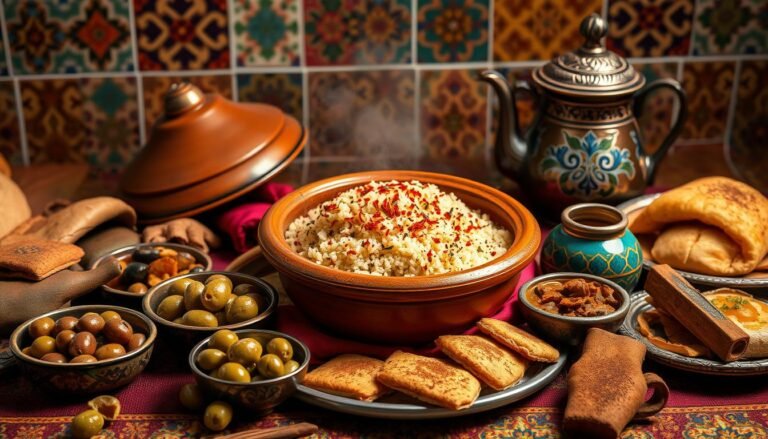
Moroccan cuisine offers a variety of delicious dishes that are sure to tantalize your taste buds. Some must-try traditional dishes include tagine, couscous, and pastilla. These dishes are often made with fresh ingredients and a blend of spices that give them a unique flavor.
Tagine, a slow-cooked stew named after the earthenware pot in which it’s cooked, is a staple of Moroccan cuisine. Couscous, often served with vegetables and meat, is another fundamental dish. Pastilla, a savory pie made with layers of flaky pastry, meat, and spices, is a delicacy.
Dining Etiquette in Morocco
Understanding local dining etiquette can enhance your culinary experience in Morocco. Mealtimes are often seen as opportunities to socialize and bond with family and friends. When dining, it’s customary to use your right hand, as eating with your left hand is considered impolite.
In many traditional settings, meals are eaten from a communal dish, with diners using pieces of bread to pick up food. This communal style of eating fosters a sense of togetherness and is an integral part of Moroccan hospitality.
Food Tours and Cooking Classes
Food tours and cooking classes offer an excellent way to delve into Moroccan cuisine. Many tours combine visits to local markets, bakeries, and spice shops with tastings and explanations of ingredients and cooking techniques.
In cities like Marrakech and Fez, you can find numerous cooking classes that range from half-day introductions to multi-day immersive experiences. These classes often begin with a visit to a local market to select fresh ingredients, followed by hands-on cooking.
Learning to prepare signature Moroccan dishes like tagine and couscous from scratch not only provides new culinary skills but also offers deeper insights into Moroccan culture. The hands-on experience of a cooking class creates lasting memories and practical skills that allow you to bring a taste of Morocco home.
By participating in a local food tour or cooking class, you gain a deeper appreciation for the food and its role in Moroccan culture. You’ll have the opportunity to explore vibrant markets and learn about the ingredients that make Moroccan cuisine so unique.
Cultural Experiences and Activities
Morocco is a country where tradition and culture are deeply intertwined, offering numerous opportunities for immersive experiences. Visitors can engage with local customs and practices that have been preserved for generations, providing a unique insight into the country’s rich heritage.
Hammam: The Traditional Moroccan Bath

A visit to a hammam is a quintessential Moroccan experience.
The traditional Moroccan bath is not just about cleanliness; it’s a social and cultural ritual where locals gather to relax and socialize. The experience typically involves a series of hot rooms, scrubbing with black soap, and a massage. For an authentic hammam experience, visitors should look for locally recommended establishments that cater to both locals and tourists.
Mint Tea Ceremonies
Mint tea is an integral part of Moroccan hospitality, symbolizing warmth and welcome. The preparation and serving of mint tea are ritualistic, involving the careful selection of tea leaves, green tea, and fresh mint. Visitors are often invited to partake in this ceremony, which is a sign of respect and friendship.
Traditional Music and Dance
Moroccan music reflects the country’s diverse cultural influences, from Berber rhythms to Gnawa music with its sub-Saharan African roots. The country’s musical heritage is characterized by various styles, including Andalusian classical music and traditional Berber music, each telling stories of Morocco’s rich history. For travelers, opportunities to experience live traditional music range from formal concerts to impromptu performances in public squares.
Engaging with these cultural activities not only enriches the travel experience but also fosters a deeper understanding of Morocco’s culture and its people. Whether it’s participating in a group activity like a traditional tea ceremony or enjoying a performance of traditional music at a local venue, every moment is an opportunity to connect with the local way of life and appreciate the beauty of Moroccan traditions over time.
Practical Tips for Your Morocco Trip
To ensure a memorable and stress-free trip to Morocco, consider these practical tips. Morocco is a country with a rich cultural heritage and diverse landscapes, and being prepared will enhance your experience.
Packing Essentials for Morocco
When packing for Morocco, it’s essential to include items that will make your trip comfortable. Comfortable clothing suitable for the season is a must, as is a reusable water bottle to stay hydrated. Don’t forget to pack sunscreen, a hat, and sunglasses to protect yourself from the sun. Morocco is a conservative country, so dressing modestly, especially when visiting mosques or rural areas, is advisable.
Other essentials include a universal power adapter for charging your devices and a basic first-aid kit. If you plan on exploring the desert or mountains, consider packing a small backpack with essentials like snacks, a map, and a portable charger.
Safety Tips and Cultural Etiquette
Morocco is generally a safe place for tourists, but it’s always wise to take certain precautions. Be mindful of your belongings, especially in crowded areas like souks and public transportation. When interacting with locals, be respectful of the culture. Morocco is a Muslim country, and dressing modestly is a sign of respect. Learning a few basic phrases in Arabic or French, such as “hello” and “thank you,” can go a long way in showing respect for the people and their culture.
It’s also a good idea to stay informed about local customs and traditions. For example, during Ramadan, many restaurants are closed during the day, so it’s essential to plan accordingly.
Money, Tipping, and Bargaining
Understanding the local currency and tipping customs can make a big difference in your trip. The Moroccan dirham (MAD) is a closed currency, so you’ll need to exchange money or withdraw from ATMs once you arrive. Tipping is customary in Morocco, with 10% considered appropriate in restaurants, and small amounts for other services.
- The Moroccan dirham is a closed currency, so plan to exchange money at the airport or withdraw from ATMs.
- Tipping is customary, with 10% appropriate in restaurants and small amounts for other services.
- Bargaining is expected in souks and markets, but not in fixed-price shops or for services like taxis.
Budgeting carefully for your trip is also crucial, as costs can add up quickly with activities, guided tours, and shopping. A mid-range daily budget might be around $50-100 per person, excluding accommodations.
Conclusion: Creating Your Own Perfect Morocco Travel Itinerary
The key to a successful Morocco travel itinerary is flexibility and an openness to new experiences. As you plan your trip, consider balancing your interests with the time you have available.
Morocco is a country that rewards slow travel, allowing you to soak in the cultural richness and natural beauty at your own pace. Whether you’re exploring the ancient medinas, trekking through the Atlas Mountains, or relaxing in a coastal town, the way you spend your days can greatly impact your overall experience.
Be prepared to adjust your plans, taking extra time in places that captivate you or making spontaneous detours along the way. This flexibility will allow you to truly immerse yourself in the Moroccan way of life.
- Take your time to explore the hidden gems and local favorites that make Morocco so unique.
- Allow for flexibility in your plans to accommodate unexpected discoveries and changes in your travel schedule.
- Immerse yourself in the local culture by engaging with the people and trying new experiences.
By embracing the Moroccan way of life and being open to new experiences, you’ll create memories that last a lifetime. With its rich history, vibrant culture, and breathtaking landscapes, Morocco is a destination that will leave you with a deeper understanding of this fascinating country.