Explore Morocco: Essential Travel Tips for Your Next Adventure
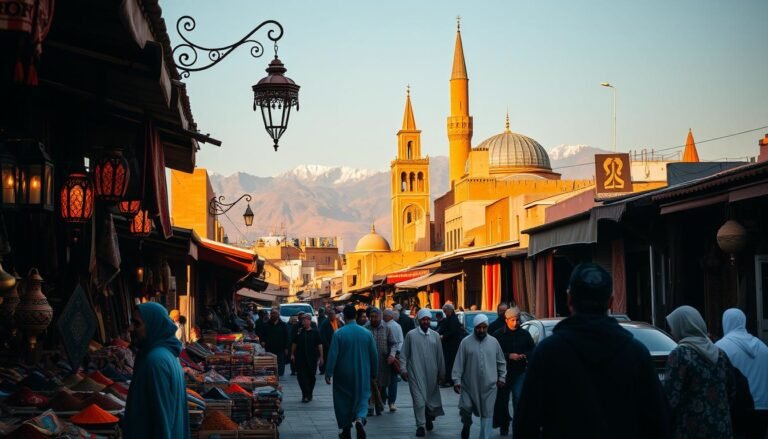
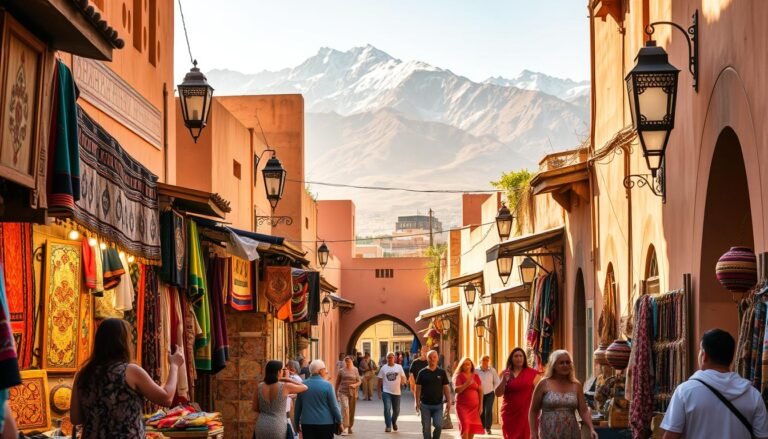
Morocco travel tips :Morocco is a captivating destination that seamlessly blends ancient traditions with modern influences, creating a unique travel experience unlike anywhere else in the world. From the bustling medinas and vibrant souks to the tranquil desert landscapes and mountain retreats, Morocco offers a diverse array of experiences that can be both exhilarating and overwhelming.
For first-time visitors, Morocco can present a culture shock, but with proper preparation and an open mind, travelers can deeply appreciate these differences. This article aims to provide essential morocco travel tips to help you navigate cultural differences, plan your trip effectively, and have an enriching journey. We will cover key areas such as planning, money matters, transportation, cultural etiquette, food experiences, and accommodation options to ensure you’re well-prepared for your adventure.
Planning Your Moroccan Adventure
Embarking on a journey to Morocco requires careful planning to ensure a memorable experience. With its rich history, vibrant culture, and diverse landscapes, Morocco has something to offer every traveler.
Best Time to Visit Morocco
The best time to visit Morocco is during spring (March to May) or autumn (September to November), when the weather is mild and pleasant. These periods are ideal for exploring the country’s diverse regions without the harsh conditions of summer or winter.
Visa Requirements and Entry Documents
Before traveling to Morocco, it’s essential to check the visa requirements for your country. Most travelers will need a valid passport with at least six months’ validity. Depending on your nationality, you might need a visa, so it’s crucial to verify the entry requirements in advance.
Creating a Flexible Itinerary
Research the places in Morocco you’d like to visit, but leave some room for spontaneity. A good itinerary should include major destinations like Marrakech, Fez, or Chefchaouen, with time for day trips and unexpected explorations. For a trip to Morocco, consider allocating at least 7-10 days to experience the diverse landscapes without feeling rushed.
Building flexibility into your itinerary allows for unexpected discoveries and opportunities to become trip highlights. A sample 10-day itinerary could balance urban experiences, cultural sites, and natural landscapes while allowing for downtime and spontaneous adventures.
Money Matters in Morocco
As you prepare for your Moroccan adventure, it’s essential to grasp the basics of handling money in this beautiful country. Understanding the local financial practices will help ensure a smooth and enjoyable journey.
Understanding the Moroccan Dirham
The Moroccan Dirham is the local currency, and while credit cards are widely accepted in larger establishments, cash remains king in traditional souks and rural areas. It’s a good idea to have some dirhams for your journey to enjoy local markets and off-the-beaten-path spots.
Cash vs. Cards: What You Need to Know
While many hotels, restaurants, and shops accept major credit cards, there are still places where cash is preferred or required. It’s advisable to have a mix of both for flexibility.
Tips for Currency Exchange
Upon arrival at the airport, you can exchange a small amount of money for initial expenses. However, for better rates, consider exchanging at banks or official exchange offices in the city. Be cautious of unofficial street vendors, as they might offer poor exchange rates or counterfeit currency. Here are some tips for a safe exchange:
- Exchange a small amount at the airport for immediate needs.
- Seek better rates at banks or official exchange offices.
- Avoid exchanging with street vendors.
- Keep receipts for future reference when converting back.
- Spread out your currency exchange throughout your trip.
Once you arrive at your hotel, the staff can guide you to a reliable place to exchange money.
Navigating Transportation in Morocco
Getting around Morocco involves choosing from a variety of transportation modes, each with its own advantages. Whether you’re traveling between cities or navigating within them, understanding your options is key to a smooth journey.
Public Transport Options
Morocco’s public transport network includes buses, trains, and taxis. Trains are a comfortable way to travel between major cities, while buses cover more routes, including rural areas. Petit taxis, or small taxis, are convenient for short trips within cities and are typically metered, although negotiating a fare beforehand is common practice.
Driving in Morocco: Rules and Safety Tips
Driving in Morocco can be challenging, especially in cities like Casablanca and Marrakech, where traffic is dense. It’s advisable to familiarize yourself with local driving rules and road signs. If you’re not comfortable driving in Morocco, consider hiring a driver or using public transport.
Getting Around Cities and Towns
In cities, petit taxis and ride-hailing apps like Careem are popular for getting around. Walking is also a great way to explore medinas and historic centers, but be prepared for uneven surfaces and narrow alleys. City buses are another option, though they can be crowded and less tourist-friendly.
When traveling within a city, choosing the right mode of transport can make a big difference. In a place like Marrakech, for instance, navigating the old medina on foot is often the best way to experience its charm.
Essential Morocco Travel Tips for Cultural Respect
To truly immerse yourself in Moroccan culture, understanding local customs is essential. Morocco is a country with a rich cultural heritage, and being respectful of local traditions can significantly enhance your travel experience.
Dress Code Guidelines
Morocco is a conservative country, and dressing modestly is advised. Cover your shoulders and knees as a sign of respect, especially when visiting mosques or rural areas. For women, wearing a scarf to cover your hair can be a considerate gesture.
Religious Customs and Etiquette
Morocco is an Islamic country, and understanding basic religious customs can go a long way. Remove your shoes before entering mosques, and avoid eating or drinking in public during Ramadan.
Language Basics for Better Connections
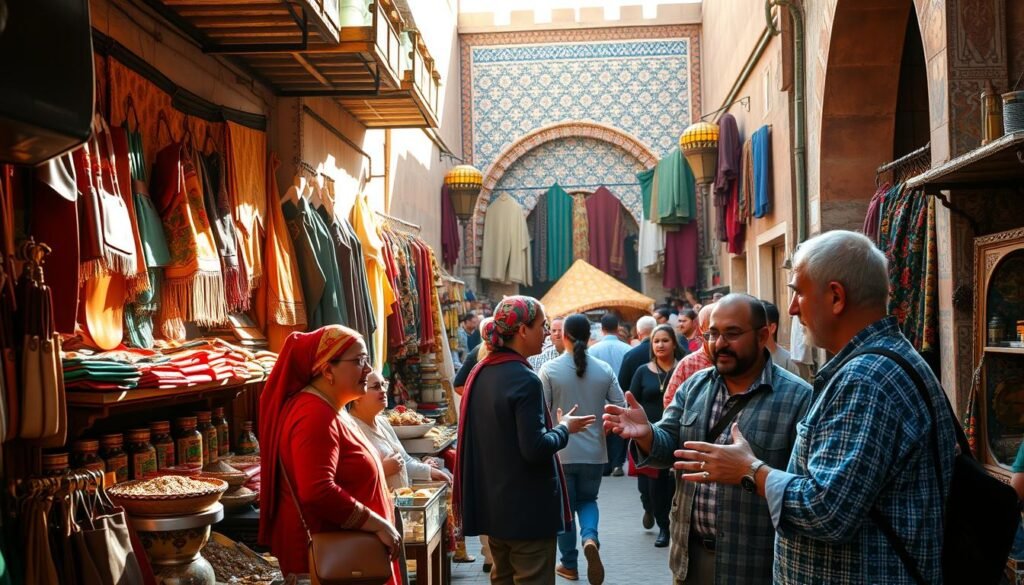
A mixture of Arabic, French, and Amazigh is spoken in Morocco. Learning basic phrases like “hello” (Marhaba in Arabic) and “thank you” (Shukran) can help you connect with locals. While many Moroccans in tourist areas speak English, making an effort to speak the local language is appreciated. Downloading language apps can also be helpful. Attempting to speak the local language can lead to warmer interactions and a more engaging experience in the country.
Navigating Moroccan Medinas and Markets
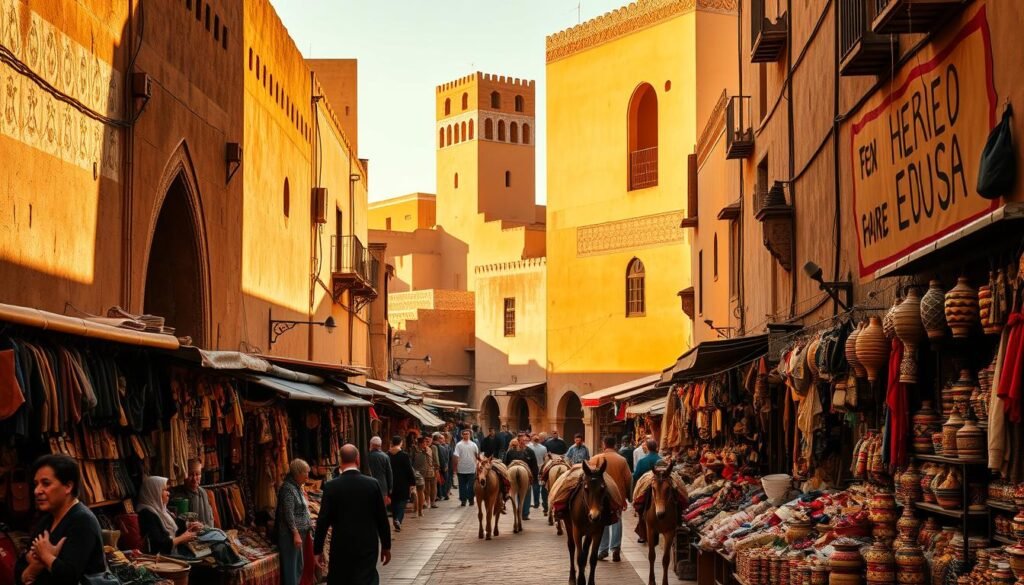
Navigating the bustling medinas and markets of Morocco can be a daunting task, but with some insider knowledge, it becomes an exhilarating adventure. As you embark on your trip Morocco, understanding how to navigate these vibrant spaces is crucial.
The Art of Haggling in Souks
Haggling is an art form in Moroccan souks. Be prepared to negotiate prices for everything from spices to handicrafts. Start by offering half the asking price and work your way up. Vendors expect this back-and-forth, and it’s part of the fun. Remember, a smile and a friendly demeanor can go a long way in securing a good deal.
Finding Your Way in the Maze-Like Medinas
Medinas can be labyrinthine, making it easy to get lost. Take a moment to observe the layout and note any landmarks. Many medinas have guided tours available, which can be a great way to get oriented. Don’t be afraid to ask locals for directions; they’re often happy to help.
Shopping Tips: Authentic vs. Tourist Items
When shopping for souvenirs, be aware that some items marketed as authentic may be mass-produced. Look for genuine Moroccan crafts, such as leather goods from Fez or ceramics from Safi. These often have slight imperfections and are made from natural materials. Visiting artisan cooperatives can ensure you’re buying authentic products while supporting local craftspeople. This is one of the valuable morocco travel tips to keep in mind, especially for the tourist looking for an authentic experience.
Food and Drink Experiences in Morocco
The culinary journey through Morocco is a sensory delight, with a blend of traditional and modern flavors. Moroccan cuisine is known for its rich flavors, aromas, and vibrant presentation.
Must-Try Moroccan Dishes
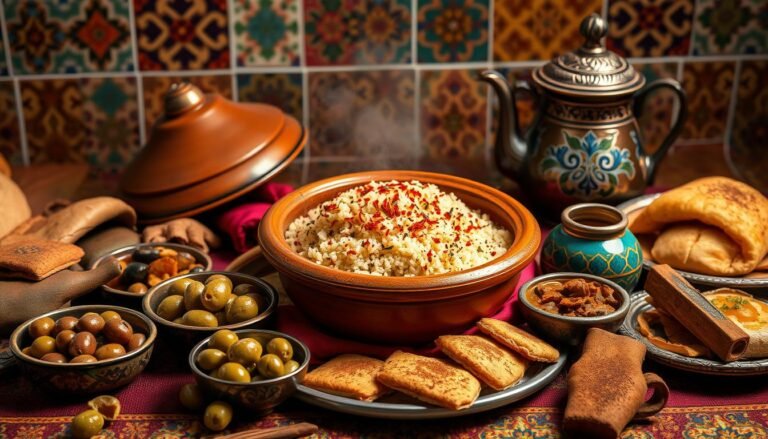
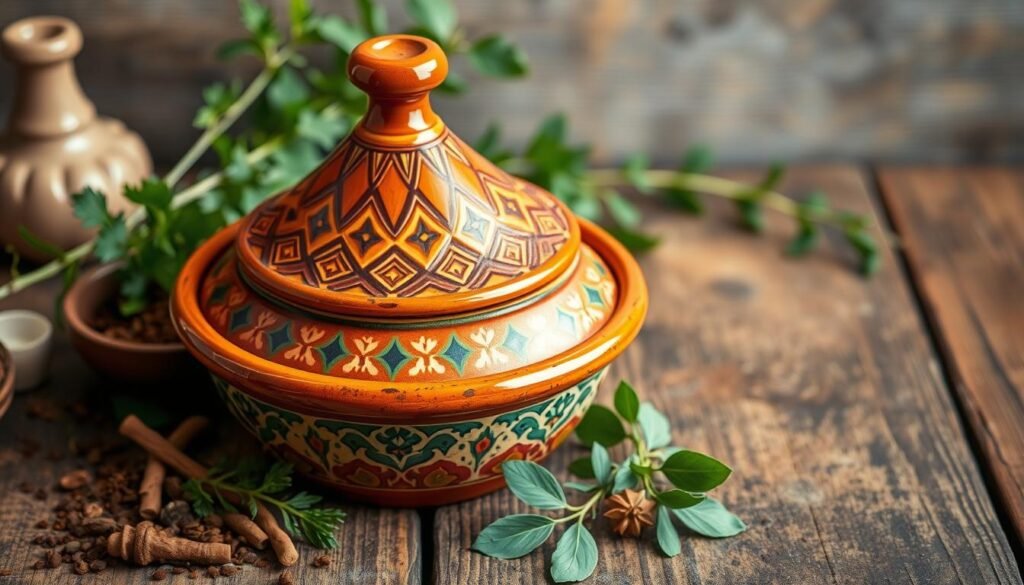
Moroccan cuisine offers a variety of delicious dishes. Some must-try foods include tagines, couscous, and pastilla. These dishes are often made with a mix of local ingredients and spices.
Dining Etiquette and Customs
When dining in Morocco, it’s essential to respect local customs. For example, eating with your right hand is considered polite, as the left hand is associated with personal hygiene.
Water and Food Safety Tips
To stay safe while enjoying Moroccan cuisine, avoid drinking tap water. Instead, opt for bottled or filtered water. Be cautious with raw vegetables and unpeeled fruits. When trying street food, choose vendors with good hygiene practices. Avoid food that has been sitting out for hours.
Accommodation Options Across Morocco
Whether you’re looking for luxury or budget-friendly options, Morocco has something for everyone. The country offers a diverse range of accommodations, from traditional riads to modern hotels and desert camps.
Staying in Traditional Riads
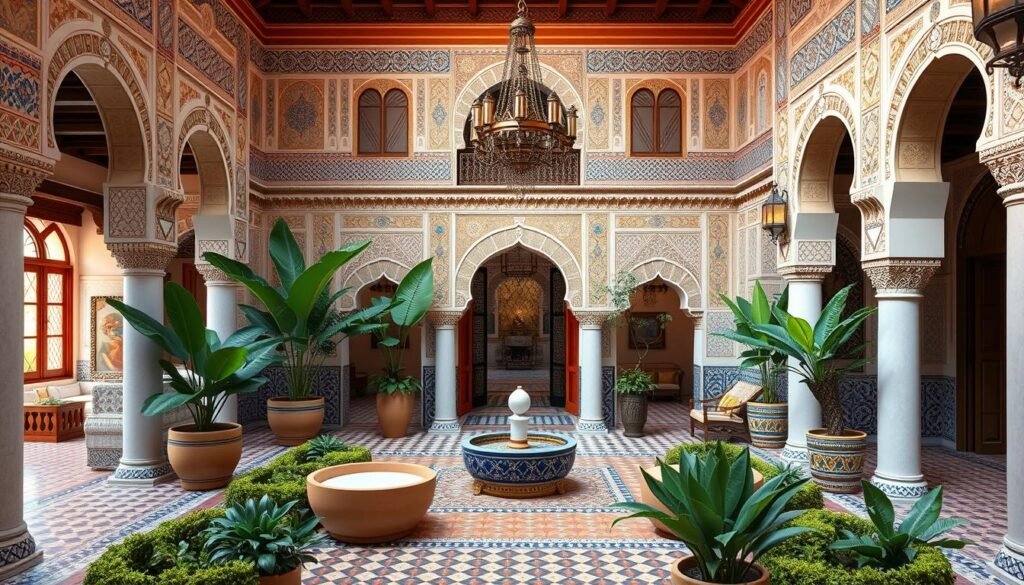
Traditional riads are a hallmark of Moroccan hospitality, offering an authentic and intimate experience. Best riads in Morocco are often found in the heart of medinas, providing easy access to major attractions. For a truly immersive experience, consider staying in a riad like Riad Yacout or Riad Fes.
Desert Camps and Mountain Retreats
For those seeking adventure, Morocco’s desert camps and mountain retreats offer a unique experience. Desert camps like Merzouga Luxury Camp provide luxurious amenities under the stars, while mountain retreats in the Atlas Mountains offer serene landscapes and traditional Berber culture.
Booking Tips and Recommendations
When booking your accommodations in Morocco, consider the location carefully. Staying within the medina can be authentic but may involve navigating narrow alleys with luggage. It’s also advisable to check if your accommodation offers airport transfers, simplifying your arrival. Booking directly with smaller properties can result in better rates and personalized service.
Always read recent reviews carefully to avoid discrepancies between online photos and reality, especially for budget accommodations.
Must-Visit Destinations in Morocco
With its rich history and varied landscapes, Morocco offers something for every kind of traveler. The country’s diverse regions are filled with unique attractions and experiences.
Imperial Cities: Marrakech, Fez, and Beyond
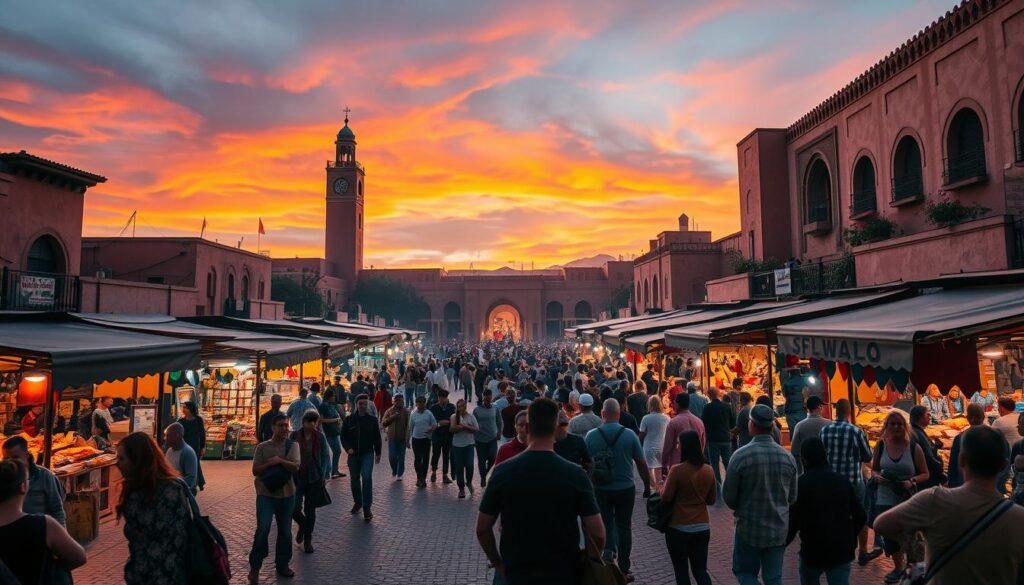
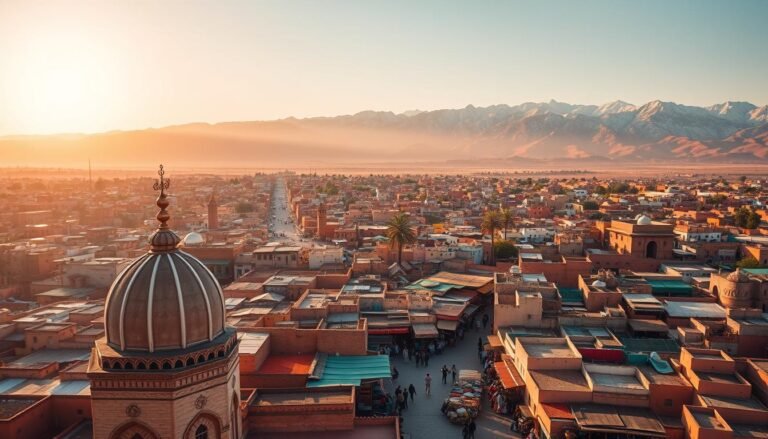
Morocco’s imperial cities are a major draw for visitors. Marrakech is known for its vibrant souks and dynamic cultural scene. Fez boasts ancient architecture and a rich history, with its well-preserved old medina being a highlight. Other imperial cities like Rabat and Meknes offer their own unique charm and historical significance.
Coastal Escapes and Mountain Retreats
For those looking to relax, Morocco’s coastal towns like Essaouira and Taghazout offer beautiful beaches and a laid-back atmosphere. The Atlas Mountains provide opportunities for hiking and exploring traditional Berber villages, making them ideal for nature lovers and adventure seekers.
Desert Experiences in the Sahara
The Sahara Desert is a defining feature of Morocco, with Erg Chebbi near Merzouga and Erg Chigaga near M’hamid being the two main desert destinations. Visitors can enjoy camel trekking, overnight stays in Berber camps, and stargazing. The journey to the desert is also an attraction, passing through dramatic landscapes like the Draa Valley. For a fulfilling experience, a 2-3 day excursion is recommended, ideally during the spring or fall to avoid extreme temperatures.
Health and Safety Considerations
As you embark on your Moroccan adventure, prioritizing health and safety will enhance your travel experience. Morocco, a country with a rich cultural heritage and diverse landscapes, requires some preparation to ensure a safe and enjoyable trip.
Staying Healthy: Vaccinations and Medications
Before traveling to Morocco, consult your healthcare provider about recommended vaccinations and medications. Ensuring you are up-to-date on routine vaccinations and considering additional vaccinations such as Hepatitis A is crucial. It’s also wise to pack any personal medications and a basic first-aid kit.
Managing Unwanted Attention and Hassle
Morocco is generally a safe country, but like many tourist destinations, it experiences petty crime and unwanted attention. Being mindful of your surroundings, especially in crowded areas, and dressing modestly can help minimize unwanted hassle. Learning a few basic Arabic phrases can also go a long way in showing respect and potentially reducing unwanted attention.
Emergency Contacts and Medical Facilities
In case of emergencies, Morocco has key numbers to remember: 190 for police, 150 for ambulance, and 15 for fire services. Major cities like Casablanca, Rabat, and Marrakech have private clinics and hospitals with reasonable standards. It’s advisable to register with your country’s embassy or consulate upon arrival and to have comprehensive travel insurance that covers medical emergencies and evacuations.
Technology and Connectivity Tips
Staying connected while traveling in Morocco is easier than ever with the right technology and knowledge. As you explore this vibrant country, having the right tools at your disposal can make all the difference.
Mobile Data and SIM Cards
For travelers to Morocco, obtaining a local SIM card is a cost-effective way to stay connected. Providers like Maroc Telecom, Orange, and Inwi offer various plans, including data packages suitable for tourists. When choosing a SIM, consider the coverage in the areas you plan to visit.
Useful Apps for Morocco Travel
Several apps can enhance your Moroccan adventure, from navigation tools like Google Maps to translation apps such as Google Translate. Morocco-specific apps, including those for train schedules and local guides, can also be invaluable.
Photography Etiquette and Drone Regulations
When taking photos of people or street scenes in Morocco, it’s essential to be respectful. Always ask permission before photographing individuals, especially in rural areas. Some people may request a small payment, so it’s polite to negotiate beforehand. Be aware that photographing sensitive locations, including military installations and government buildings, is strictly prohibited. Additionally, Morocco has strict regulations regarding drone usage, requiring special permits that are typically not issued to tourists.
Conclusion: Embracing the Moroccan Experience
Embarking on a journey to Morocco is not just about visiting a new country; it’s about immersing yourself in a world where ancient customs and modern life blend seamlessly. As you’ve discovered through our guide, preparation and cultural understanding are key to enhancing your travel experience in this captivating Muslim country.
From navigating the vibrant medinas to respecting local customs, such as the ritual of mint tea, your journey will be filled with unique experiences. Remember, flexibility and patience are essential virtues when traveling in Morocco, as plans may change and things may move at a different pace. Yet, it’s in these moments of unexpectedness that you’ll often find the true highlights of your trip.
While Morocco may present certain challenges for travelers, the rewards of authentic cultural experiences, breathtaking landscapes, and warm hospitality far outweigh any temporary discomforts. As you embrace the differences and immerse yourself in the local culture, you’ll find that Morocco has the power to transform your journey into an unforgettable adventure.
So, approach Morocco with an open heart and mind, ready to be enchanted by its vibrant harmony of traditions and modern life. With the right mindset and preparation, your trip to Morocco will be a journey of discovery, growth, and lifelong memories.