Navigating Morocco’s Travel Visa Requirements
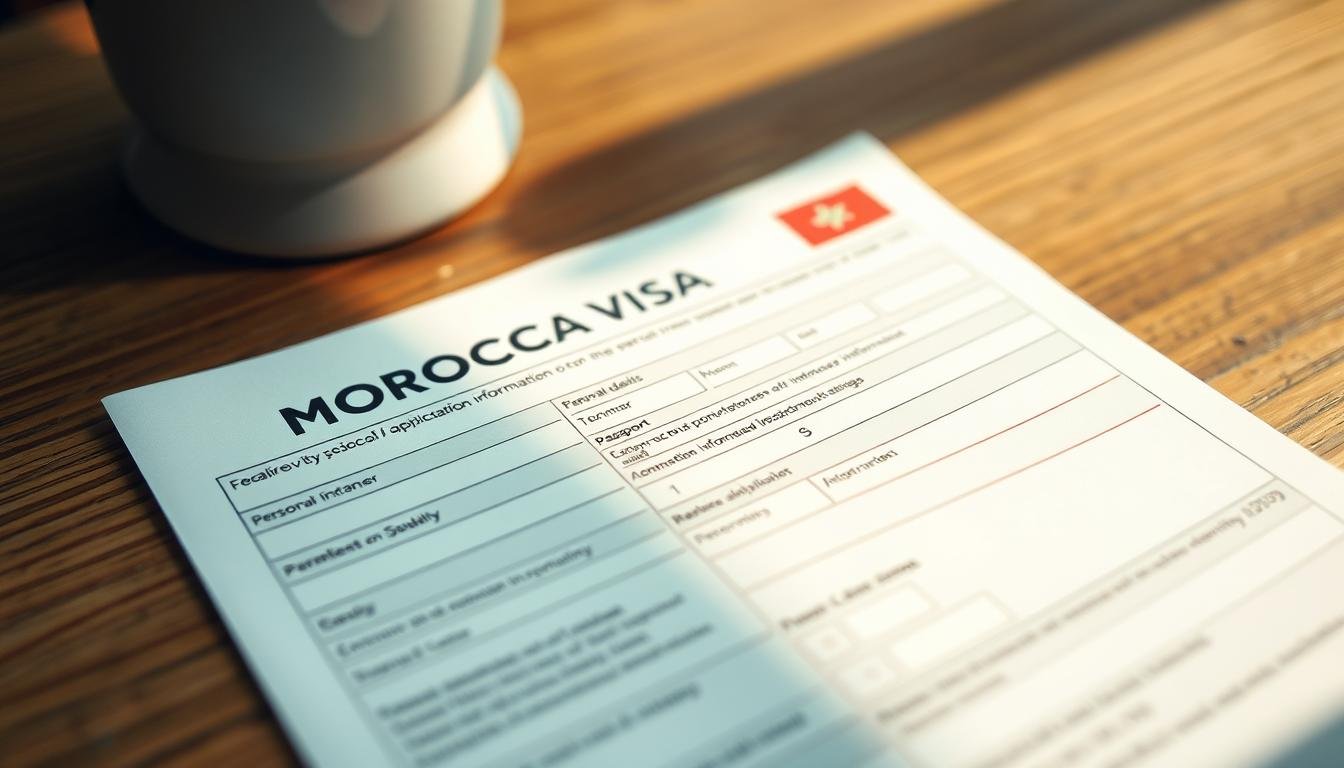
Morocco Travel Visa: Planning a trip to the Kingdom of Morocco? Understanding the visa requirements is crucial for a smooth entry into the country.
Under Morocco’s visa policy, foreigners must obtain a visa unless they are citizens of a visa-exempt country. Eligible visitors can stay for 30-90 days without a visa, but longer stays require an application.
This guide will walk you through the process of obtaining a Morocco travel visa, including the types of visas available, required documents, and passport requirements for a successful entry.
Understanding Morocco’s Visa Policy
To visit Morocco, it’s essential to understand the country’s visa requirements. Morocco’s visa policy is designed to balance the need for security with the desire to facilitate tourism and travel.
Visa-Exempt Countries and Stay Duration
Morocco has a list of visa-exempt countries, whose citizens can enter the country without a visa. However, the stay duration varies depending on nationality. Typically, visa-free stays are allowed for up to 90 days.
| Nationality | Stay Duration |
|---|---|
| EU Citizens | 90 days |
| US Citizens | 90 days |
| Other Nationalities | Varies |
Who Needs a Visa to Enter Morocco
Citizens from countries not on Morocco’s visa-exempt list must obtain a visa before traveling to the kingdom. The type of visa required depends on the purpose of travel, such as tourism, business, work, or study.
- Citizens from non-visa-exempt countries need to apply for a visa at a Moroccan embassy or consulate.
- A valid passport with at least six months’ validity is required for all visa applicants.
- Even visa-exempt nationals may need a visa if they plan to stay beyond the allowed period.
Types of Morocco Travel Visas
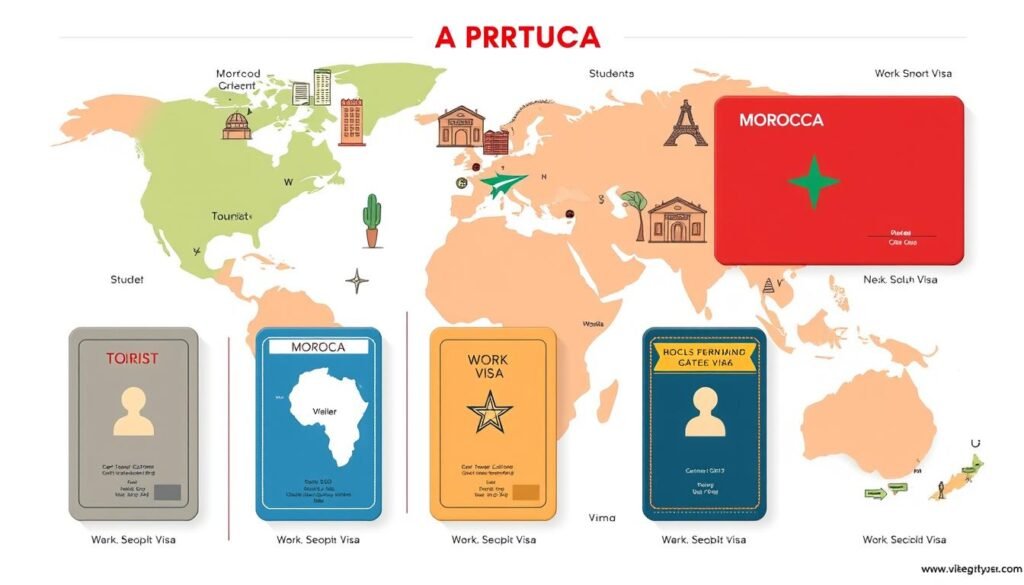
The Kingdom of Morocco provides different types of visas to cater to various travel purposes. Whether you’re traveling for leisure, business, work, or study, Morocco has a visa category that suits your needs.
Tourist Visa
A tourist visa is ideal for travelers visiting Morocco for leisure or tourism. It allows a stay of up to 90 days within a 180-day period. To apply, you’ll need a valid passport, a completed visa application form, and proof of sufficient funds for your stay.
Business Visa
A business visa is required for individuals traveling to Morocco for business purposes, such as meetings or conferences. Applicants must provide a letter from their employer, explaining the purpose of the trip, along with other required documents.
Work Visa
A work visa is necessary for foreign nationals who have secured employment in Morocco. The employer must sponsor the visa application, providing a work contract and other supporting documents.
Student Visa
A student visa is issued to foreign nationals accepted into recognized Moroccan educational institutions. To apply, students must provide proof of enrollment or acceptance from a Moroccan university or educational institution, financial documentation showing sufficient funds, and details of their accommodation arrangements in Morocco.
Understanding the different types of visas available can help you choose the right one for your travel plans to Morocco. Ensure you meet the required documents and follow the application process carefully.
Morocco Electronic Travel Authorization (ETA)
Morocco has introduced an Electronic Travel Authorization (ETA) system to simplify entry for travelers from eligible countries. This system is designed to enhance border security while making it easier for tourists and business travelers to enter Morocco.
Eligible Countries for Morocco ETA
The Morocco ETA is available for citizens of specific countries. To determine if you are eligible, you should check the official government website or consult with the nearest Moroccan embassy or consulate. Eligibility may depend on your nationality and the purpose of your visit.
ETA Application Process
The Morocco ETA application process is completed entirely online. Applicants must fill out an electronic form with personal details, passport information, and travel plans. Required documents must be uploaded digitally, including a passport bio-data page scan and proof of sufficient funds. The application fee must be paid online using a credit or debit card. Processing typically takes 24-72 hours, after which approved ETAs are sent to the applicant’s email address.
Morocco Electronic Visa (E-Visa) System
Morocco has introduced an Electronic Visa (E-Visa) system to simplify the travel process for international visitors. This system is designed to make it easier for travelers to obtain a visa, thereby enhancing their overall travel experience.
Countries Eligible for Morocco E-Visa
The Moroccan E-Visa is available to citizens of specific countries. Eligible travelers can apply for the E-Visa online, providing required documents and information. The list of eligible countries is regularly updated, so it’s essential to check the official government website for the most current information.
Single vs. Multiple Entry E-Visas
Morocco’s E-Visa system offers both single and multiple entry options. Initially, the E-Visa is issued as a single-entry document, valid for 30 days from the date of entry. However, upon arrival in Morocco, travelers can apply to convert their single-entry E-Visa to a multiple-entry visa. Multiple-entry E-Visas are valid for up to 180 days, with a maximum stay of 30 days per visit.
The key benefits of multiple-entry E-Visas include:
- Morocco e-Visas are initially issued as single-entry visas valid for 30 days from the date of entry.
- Once in Morocco, travelers can apply to convert their single-entry e-Visa to a multiple-entry visa through local immigration authorities.
- Multiple-entry e-Visas can be valid for up to 180 days, though each stay is limited to a maximum of 30 days.
- The single-entry e-Visa allows just one entry into Morocco, after which you must leave the country or obtain a visa extension.
- Multiple-entry visas are particularly useful for business travelers or tourists planning to visit neighboring countries and return to Morocco.
Essential Documents for Morocco Travel Visa Applications
To ensure a smooth visa application process, it’s vital to gather all the necessary documents as per Morocco’s visa requirements. The type of visa you’re applying for determines the specific documents you need to submit.
Basic Requirements for All Visa Types
Regardless of the visa type, there are basic documents that every applicant must provide. These include a valid passport with at least two blank pages, a completed visa application form, and recent passport-sized photographs. Ensuring that these foundational documents are in order is crucial for a successful application.
Additional Documents for Tourist Visas
For tourist visas, applicants must provide proof of travel arrangements, such as flight itineraries and hotel reservations. Additionally, demonstrating sufficient financial means to support your stay in Morocco is required. This can be done through bank statements or proof of income.
Additional Documents for Business Visas
Business visa applicants need to submit a letter from their employer detailing the purpose of their visit, along with an invitation from the Moroccan business partner. Proof of business registration and financial statements may also be required.
Additional Documents for Student Visas
Students applying for a visa must provide a letter of acceptance from a Moroccan educational institution, along with proof of tuition payment. Additionally, they may need to demonstrate sufficient financial resources to support themselves during their studies.
Additional Documents for Work Visas
For work visas, a contract of employment duly validated by the Ministry of Employment is necessary. Other required documents include professional qualifications and certificates relevant to the job, a letter explaining why the position requires foreign expertise, and documentation of the applicant’s professional experience.
Here’s a summary of the key documents required for work visas:
| Document | Description |
|---|---|
| Employment Contract | Validated by Morocco’s Ministry of Employment |
| Professional Qualifications | Relevant certificates and qualifications |
| Letter from Employer | Explaining the need for foreign expertise |
| Professional Experience | Documentation of relevant work experience |
Step-by-Step Morocco Visa Application Process

Morocco’s visa application process is designed to be efficient, with several options available depending on your nationality and purpose of visit. The process involves a few key steps, from determining the type of visa required to submitting the application.
Applying Through a Moroccan Embassy or Consulate
For many travelers, applying through a Moroccan embassy or consulate is a traditional and reliable method. This involves submitting your application and required documents in person or through a representative. Ensure you have all necessary documents to avoid delays.
Online Application Process
The online application process for Morocco’s Electronic Travel Authorization (ETA) or e-Visa is convenient and streamlines the application process. Applicants can fill out the form, upload required documents, and pay the fee online. Once approved, the ETA or e-Visa is sent to the applicant’s verified email address.
Processing Times and Fees
Processing times for Morocco visas vary depending on the type of application. Standard visa processing typically takes 7-15 business days, while e-Visa and ETA applications are usually processed within 24-72 hours. Expedited processing services may be available for an additional fee, reducing wait times to 3-5 business days in urgent cases. Visa fees vary based on the type of visa, nationality, and duration of stay.
It’s essential to note that application fees are non-refundable, regardless of the outcome. Therefore, it’s crucial to ensure all requirements are met before applying.
Tips for a Successful Morocco Visa Application
Navigating the Morocco visa application process requires attention to detail and a clear understanding of the requirements. A well-prepared application is key to a successful outcome.
Common Reasons for Visa Rejections
Understanding why visa applications are rejected can help you avoid common mistakes. Typically, rejections occur due to incomplete or inaccurate information, insufficient documentation, or failure to demonstrate strong ties to your home country. Ensuring your passport is valid and your documents are in order is crucial.
Best Practices When Applying
To increase your chances of a successful visa application, follow these best practices:
- Apply well in advance of your planned travel date to avoid delays.
- Double-check your application form for accuracy and completeness.
- Provide high-quality copies of required documents.
- Demonstrate strong ties to your home country.
- Be honest about your travel purpose and ensure supporting documentation aligns with your stated reason.
Paying the application fee online and traveling through approved routes are also essential. By being meticulous and prepared, you can enhance your chances of securing a Morocco visa.
Conclusion
Before embarking on your Moroccan adventure, familiarize yourself with the necessary travel visa requirements. Understanding Morocco’s visa requirements is essential for planning a smooth and hassle-free trip to this captivating North African destination.
Whether you’re eligible for visa-free entry, an e-Visa, or need to apply through an embassy, knowing the correct procedure saves time and prevents travel disruptions. Always check the most current requirements before applying, as Morocco’s visa policies occasionally change.
To ensure a successful visa application, start the process well in advance of your planned travel dates. With proper preparation and attention to detail in your application, you’ll be well on your way to exploring the Kingdom of Morocco’s rich culture, stunning landscapes, and warm hospitality.