Plan Your Oman Visiting Adventure: Tips and Insights
Visiting Oman:Nestled in the heart of the Arabian Peninsula, this enchanting country offers an authentic cultural experience amidst breathtaking landscapes.
Unlike its neighboring Gulf countries, it has managed to preserve its traditional character while embracing modernization, making it a unique destination for travelers.
From dramatic coastlines and majestic mountain ranges to vast deserts and historic fortresses, there’s something for every kind of traveler. This comprehensive guide will walk you through the best time to visit, must-see destinations, and cultural insights, ensuring you’re well-prepared for your tour.
Whether you’re a first-time traveler or returning to explore more, this guide is your key to experiencing the authentic charm of this captivating nation.
Why Oman Should Be Your Next Travel Destination
Oman is a hidden gem in the Arabian Peninsula, offering a unique blend of traditional and modern experiences for travelers. This characteristic makes it an ideal destination for those seeking an authentic Arabian experience.
Oman’s Unique Appeal in the Arabian Peninsula
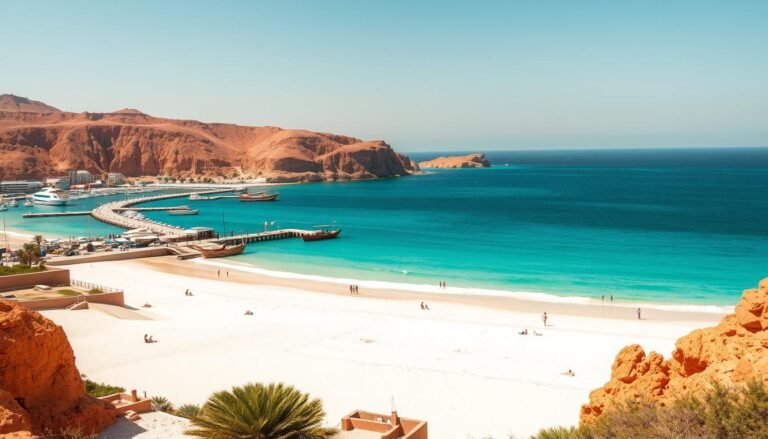
Oman’s distinctive character is rooted in its ability to balance tradition with modernity. Visitors can explore the country’s remarkable geographic diversity, from the dramatic Hajar Mountains to pristine beaches and vast desert landscapes. The coastline of Oman is particularly noteworthy, offering breathtaking views and a glimpse into the country’s rich maritime history.
The country’s approach to tourism focuses on preserving natural beauty and cultural heritage rather than creating artificial attractions. This approach, combined with the warm hospitality of the Omani people, makes for a more personal and meaningful travel experience.
What Makes Oman Different from Its Neighbors
Unlike neighboring Gulf states like the UAE or Qatar, Oman provides a more authentic and less commercialized experience. The relative lack of crowds at major attractions allows visitors to enjoy the natural splendor and cultural treasures without the crowds. Oman’s rich maritime history as a major trading power has also influenced its unique cultural identity, making it a fascinating destination for travelers interested in history and culture.
With its excellent infrastructure and safety record, Oman is accessible even for first-time visitors to the Middle East. Whether you’re looking to explore the country‘s stunning landscapes, learn about its history, or simply relax on its beautiful beaches, Oman is a guide to a world of unforgettable experiences.
Best Time for OMAN VISITING: Seasonal Guide
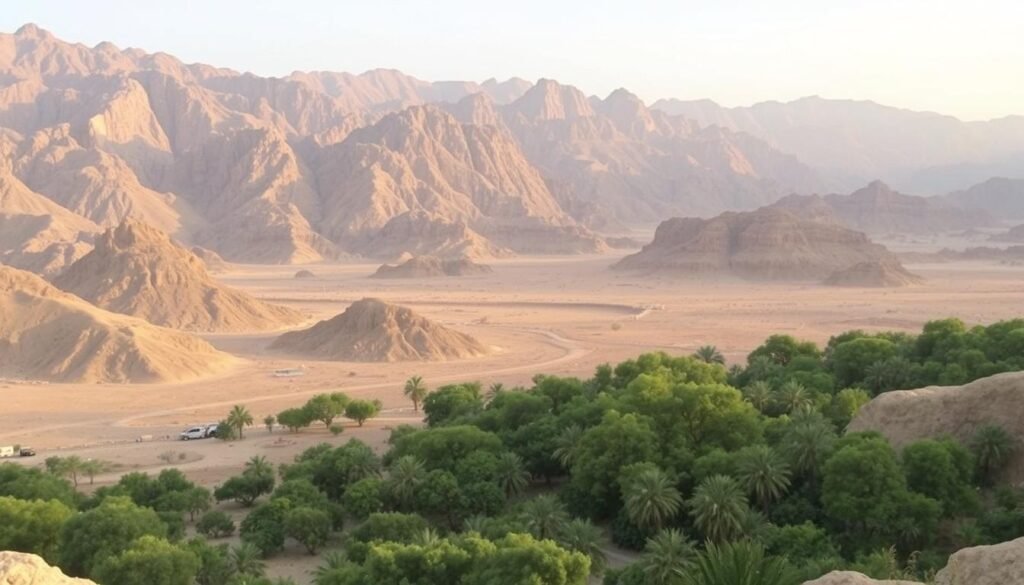
Understanding Oman’s seasonal variations is key to planning an unforgettable adventure in this Arabian Peninsula gem. Oman’s climate is generally warm, but the best time to visit is between October and April.
October to April: The Ideal Season
The period from October to April offers the most pleasant temperatures, ranging from 17°C to 35°C, making it ideal for exploring Oman’s diverse attractions comfortably. During these months, visitors can enjoy the country’s natural beauty, from the mountains to the deserts, without the harsh summer heat.
Summer in Oman: What to Expect
Summer in Oman, from June to August, is characterized by extremely high temperatures, often exceeding 40°C in most regions. However, this season is perfect for witnessing turtle nesting and hatching at Ras al Jinz, a unique experience not to be missed.
The Khareef Season in Salalah
Salalah, in southern Oman, experiences a unique monsoon season called Khareef from July to September. During this time, the region transforms into a lush green landscape, attracting visitors from across the country and the Gulf region. It’s a distinct experience unlike anywhere else in the Arabian Peninsula.
When planning your visit to Oman, consider the regional climate variations. The coastal areas can be humid, while the mountains offer cooler temperatures. Special seasonal events like the Muscat Festival in January-February can also influence your travel plans. It’s essential to pack accordingly and stay hydrated, especially during the hotter months.
While the shoulder seasons (May and September) can offer good value, temperatures can still be quite high in certain regions. Thus, understanding the best time to visit Oman helps in making the most out of your trip.
Planning Your Trip: Practical Information
Before embarking on your Omani adventure, it’s crucial to gather practical information to make the most of your trip. Understanding the requirements and essentials for traveling to Oman will help ensure a smooth and enjoyable journey.
Visa Requirements and Entry Procedures
Oman offers a relatively straightforward visa process for tourists. Most nationalities can obtain a visa on arrival, with options including a free 14-day visa, a 30-day visa for 21 Omani Rials, and a multiple-entry visa valid for one year for 50 Omani Rials. It’s advisable to pay in Omani Rials or by credit card to avoid higher USD rates. You can also purchase your Omani visa online at a discounted price, around 1 Rial (approximately 2-3 USD) for a 30-day visa, before your arrival.
Tip: Applying online can save you time and potentially money. Ensure you have the necessary documents ready to avoid any delays.
Travel Insurance and Health Considerations
Oman’s healthcare system is private and can be expensive. Therefore, it’s highly recommended that travelers secure comprehensive travel insurance before their visit. While Oman is considered one of the safest countries in the Middle East, having adequate insurance coverage will provide peace of mind during your trip.
Budgeting for Your Oman Adventure
Budgeting for your trip to Oman involves considering various expenses, including accommodation, transportation, food, activities, and souvenirs. Oman caters to a wide range of budgets, from luxury seekers to backpackers. To budget effectively, plan ahead and research typical costs for your travel style. For instance, dining at local restaurants can be affordable, while luxury hotels and fine dining experiences will require a larger budget.
When it comes to currency, the Omani Rial is the local currency. You can exchange money at banks and currency exchange offices, and ATMs are widely available. Credit cards are also widely accepted, especially in tourist areas and larger establishments.
By understanding these practical aspects, you can better plan your trip to Oman, ensuring a memorable and stress-free trip to this beautiful country.
Getting Around Oman: Transportation Options
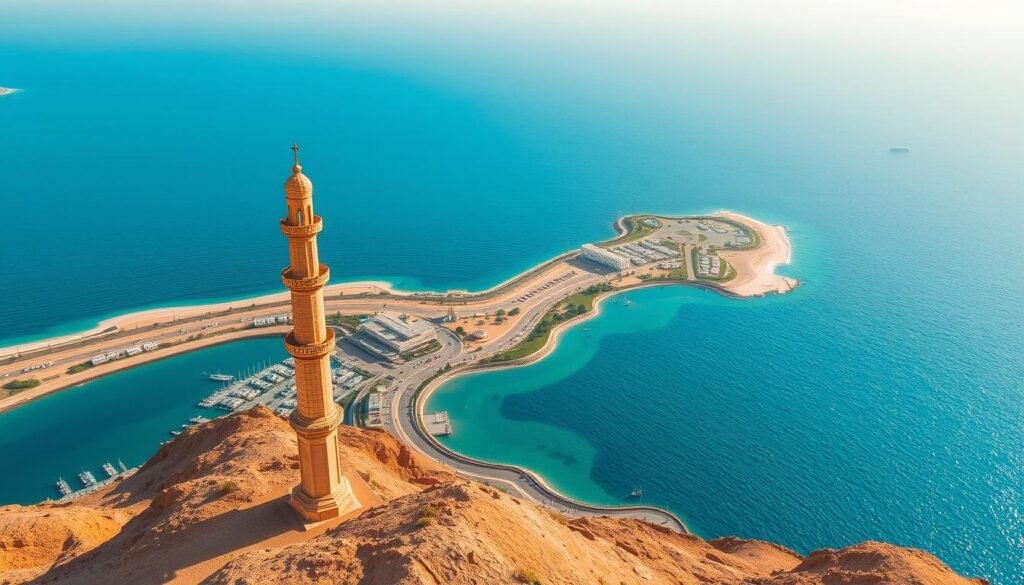
Oman, with its vast landscapes and diverse geography, requires careful planning when it comes to transportation. The country’s infrastructure is well-developed, making it relatively easy to get around.
Self-Drive Adventures: Renting a Car
Renting a car in Oman is a popular choice for travelers who value independence and flexibility. The process is relatively straightforward, with several rental agencies available at airports and major cities. You’ll need a valid driver’s license, and some agencies may require an International Driving Permit. The cost varies depending on the type of vehicle, with four-wheel drive vehicles being recommended for desert and mountain excursions.
The roads in Oman are generally in excellent condition, especially the highways connecting major cities. However, some rural areas may have rougher roads, making a 4WD vehicle essential for certain regions like Jebel Akhdar or Wahiba Sands.
Guided Tours vs. Independent Travel
While renting a car offers flexibility, guided tours can provide valuable local insights and convenience, especially in remote areas. Local guides can enhance your experience by sharing knowledge about Oman’s history, culture, and hidden gems. For those not comfortable driving in unfamiliar territories or preferring a more relaxed experience, guided tours are a great alternative.
Public Transportation and Alternatives
Public transportation in Oman is limited, primarily consisting of buses between major cities. Taxis and ride-sharing services are available in urban areas, offering an alternative for those who prefer not to drive. For the more adventurous, hitchhiking is also an option, with Omani drivers known for their hospitality.
Must-Visit Destinations in Oman
With its rich history and breathtaking natural beauty, Oman is a destination that promises an unforgettable travel experience. The country is home to a diverse array of landscapes and attractions, each offering a unique glimpse into Oman’s culture, history, and natural splendor.
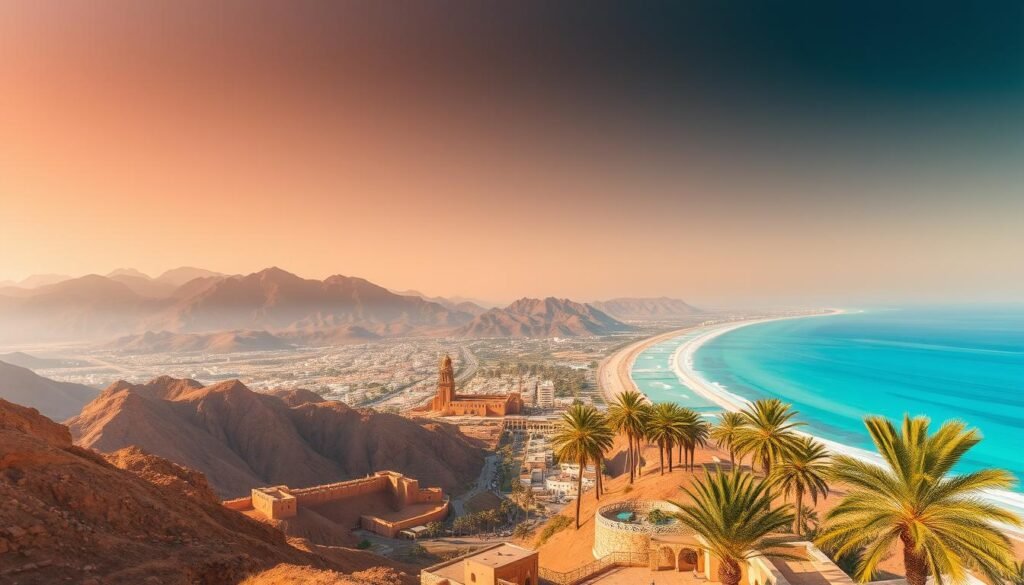
Muscat: The Capital’s Treasures
Muscat, the capital city of Oman, is a treasure trove of historical landmarks, cultural experiences, and modern amenities. Visitors can explore the Sultan Qaboos Grand Mosque, one of the largest mosques in the world, and wander through the bustling Mutrah Souq, where traditional Omani goods are on display. The city’s corniche, with its picturesque views of the Gulf of Oman, is perfect for a leisurely stroll.
Mutrah Souq is a must-visit for anyone looking to experience the authentic culture of Muscat. The souq is filled with a variety of goods, including traditional clothing, jewelry, and local handicrafts. Visitors can also enjoy the city’s beautiful beaches and historic forts.
Nizwa: Forts, Markets, and History
Nizwa, one of Oman’s oldest cities, is known for its historical significance and cultural heritage. The city is home to the impressive Nizwa Fort, a 17th-century structure that dominates the city’s skyline. Visitors can explore the fort, which houses a museum showcasing Omani history and culture, and experience the traditional Friday livestock market.
The Nizwa Fort is a testament to Oman’s rich history and architectural prowess. The fort’s design and construction reflect the country’s strategic importance in the region during the 17th century.
The Wahiba Sands: Desert Experiences
The Wahiba Sands, also known as the Empty Quarter, is a vast desert landscape that offers a range of exciting experiences for visitors. From luxury desert camps to Bedouin cultural encounters, the Wahiba Sands is a must-visit destination for anyone looking to experience Oman’s natural beauty.
Visitors can enjoy a range of activities, including dune bashing, camel riding, and stargazing. The desert’s unique ecosystem is home to a variety of flora and fauna, making it a fascinating destination for nature lovers.
Jebel Akhdar and Jebel Shams: Mountain Adventures
Oman’s mountain ranges, including Jebel Akhdar and Jebel Shams, offer breathtaking scenery and exciting outdoor activities. Visitors can explore the “Grand Canyon of Arabia” at Wadi Ghul, go hiking, or simply take in the stunning views from the mountain tops.
Jebel Shams, the highest mountain in Oman, is a popular destination for hiking and trekking. The mountain’s rugged terrain and stunning scenery make it a must-visit destination for outdoor enthusiasts.
Salalah and the Dhofar Region
Salalah, located in the Dhofar region, is known for its unique ecosystem and natural beauty. During the khareef season, which takes place from July to September, the city is transformed into a lush green paradise. Visitors can enjoy the city’s beautiful beaches, explore the surrounding mountains, and experience the local culture.
The Dhofar region is a hidden gem in Oman, offering a unique blend of natural beauty and cultural heritage. Visitors can explore the region’s historic sites, enjoy the local cuisine, and experience the traditional Omani hospitality.
Unique Experiences You Shouldn’t Miss
Oman’s diverse landscapes and rich culture offer a wide range of unique experiences that make visiting Oman an unforgettable adventure.
Watching Turtle Nesting at Ras Al Jinz
Witness the majestic green turtles nesting at Ras Al Jinz, a vital nesting site for these endangered creatures. Guided tours are available in the evening and early morning to watch these magnificent creatures laying eggs or hatchlings making their way to the sea.
Traditional Markets and Livestock Auctions
Experience the vibrant atmosphere of traditional Omani markets, such as the famous Friday livestock auction in Nizwa. Here, locals trade goats, cattle, and sometimes camels in a lively atmosphere, providing a glimpse into authentic Omani life.
Camping in Wadis and Stargazing in the Desert
Camping in Oman’s wadis offers a peaceful retreat surrounded by nature. Many wadis feature pools of clear water perfect for swimming. The desert skies, particularly in remote areas like Wahiba Sands and the Empty Quarter, offer spectacular stargazing opportunities due to minimal light pollution.
Exploring Oman’s Dramatic Coastline
Oman’s coastline is home to dramatic landscapes, from the fjord-like khors of Musandam to the monsoon-affected cliffs of Dhofar. The coast of Dhofar province features lush green mountains that serve as vertiginous cliffs dropping directly to turquoise-blue waters.
These unique experiences showcase the best of Oman, from its natural wonders to its cultural heritage. Whether you’re watching turtles under the night sky, exploring traditional markets, or camping in the desert, Oman offers an unforgettable tour of the region.
Understanding Omani Culture and Etiquette
Visiting Oman provides an opportunity to experience the warm hospitality of its people and rich cultural heritage. Omani culture is deeply influenced by Islam, which plays a significant role in daily life and social customs.
Respecting Local Customs and Traditions
Omanis are known for their hospitality, but it’s essential to respect local customs, especially when visiting rural areas or religious sites. For instance, removing your shoes before entering a mosque or a traditional Omani home is a sign of respect. Understanding and adhering to these customs can significantly enhance your experience in Oman.
| Custom | Description | Tip for Visitors |
|---|---|---|
| Removing Shoes | A sign of respect when entering mosques or homes. | Be prepared to remove your shoes when necessary. |
| Dress Modestly | Covering shoulders and knees is advisable. | Avoid revealing clothing, especially in rural areas. |
| Respect for Privacy | Omanis value their privacy, especially in homes. | Be mindful of your surroundings and avoid intruding. |
Dress Code Guidelines for Visitors
While Oman is relatively liberal compared to some of its neighbors, dressing modestly is appreciated. Visitors should avoid tight or revealing clothing, particularly in villages or when visiting religious sites. For women, covering the shoulders and knees is a sign of respect, although wearing shorts or casual attire is generally acceptable in tourist areas.
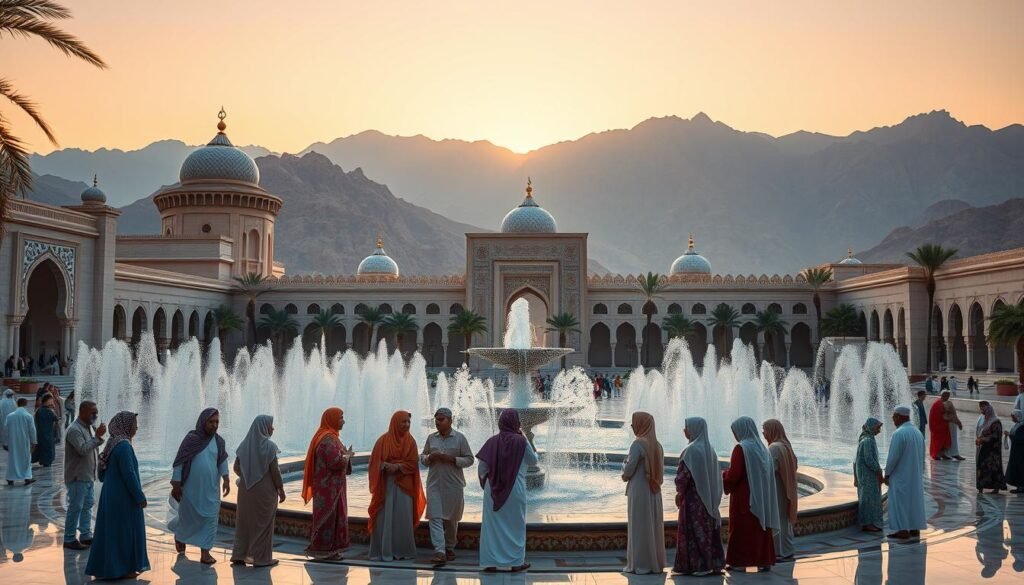
Interacting with Locals: Hospitality and Expectations
Omanis are renowned for their warm hospitality. When interacting with locals, it’s customary to greet with a handshake or a verbal greeting. Omanis appreciate polite conversation and are generally open to discussing their culture and traditions. Understanding the concept of “wasta” or building connections is also crucial in Omani society.
By respecting local customs, dressing appropriately, and engaging warmly with the Omani people, visitors can have a rich and meaningful experience in this beautiful Middle Eastern country.
Where to Stay: Accommodation Options
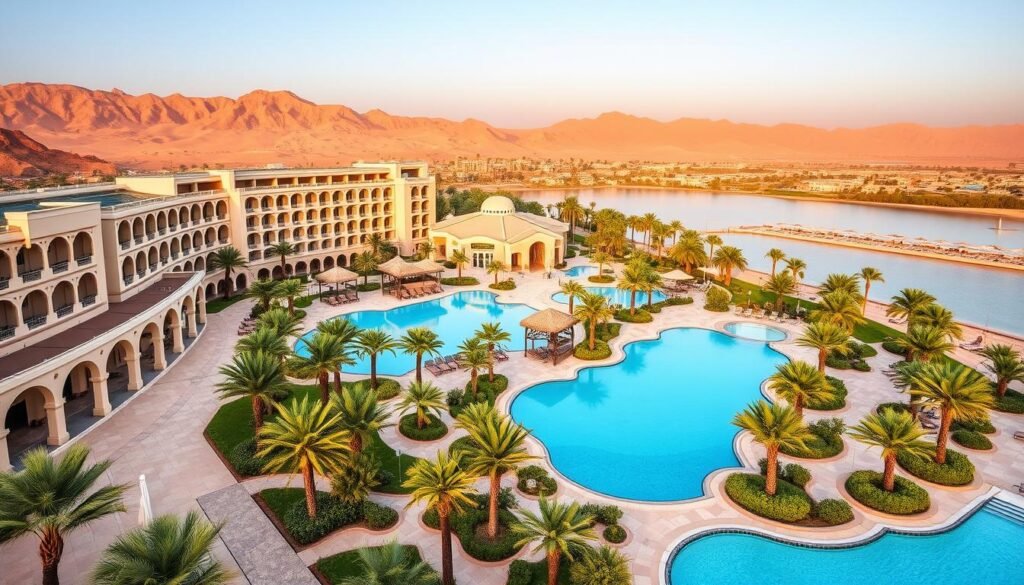
Oman’s hospitality is reflected in its diverse accommodation choices, from high-end hotels to desert camps. Whether you’re planning a trip to Oman for a few days or a longer stay, you’ll find a wide range of options to suit your needs.
Luxury Resorts and Hotels
Oman is home to some of the most luxurious resorts in the region. Properties like The Chedi Muscat and Al Bustan Palace offer world-class amenities with a distinctly Arabian flavor. These hotels provide an unparalleled level of service and comfort, making them ideal for travelers seeking a luxurious experience.
Mid-Range and Budget Accommodations
For travelers on a more modest budget, Oman offers a variety of mid-range and budget-friendly accommodations. International hotel chains and local hotels provide comfortable stays at reasonable prices. While options may be more limited than in other countries, you can still find great value, especially in major cities like Muscat.
Unique Stays: Desert Camps and Traditional Houses
For a truly unique experience, consider staying at one of Oman’s desert camps or traditional houses. The Wahiba Sands offer a range of options from basic tents to luxury “glamping” setups. You can also experience the beauty of the Empty Quarter by staying in a desert camp. These accommodations provide a chance to immerse yourself in Omani culture and enjoy the natural beauty of the desert.
When planning your tour of Oman, be sure to book your accommodations in advance, especially during peak travel seasons. This ensures that you have a comfortable place to rest after a long day of exploring this beautiful country.
Food and Dining in Oman
Omani cuisine, with its unique flavors and dishes, offers a culinary adventure like no other in the Middle East. The country’s culinary identity is shaped by its geographical location, cultural heritage, and historical trade connections.
Traditional Omani Cuisine
Traditional Omani dishes are characterized by their simplicity and heartiness. Signature dishes include shuwah (slow-cooked marinated meat), majboos (spiced rice with meat), harees (wheat and meat porridge), and halwa (a sweet gelatinous dessert). Dates, coffee (kahwa), and frankincense play significant roles in Omani culinary culture and hospitality.
Dining Etiquette and Customs
In Oman, dining etiquette is deeply rooted in the country’s cultural traditions. Meals are often served on communal platters, and it’s customary to eat with the right hand. Guests are expected to finish their meal, as leaving food is considered impolite.
Recommended Restaurants and Food Experiences
From high-end restaurants in Muscat to authentic local eateries, Oman offers a diverse range of dining experiences. Visitors can enjoy traditional Omani cuisine, as well as Indian and other international flavors. For a unique experience, consider dining at a local restaurant in Salalah, known for its camel meat dishes.
| Dish | Description | Region |
|---|---|---|
| Shuwa | Slow-cooked marinated meat | Muscat |
| Majboos | Spiced rice with meat | Nizwa |
| Camel Shawarma | Grilled camel meat sandwich | Salalah |
Conclusion: Making the Most of Your Oman Adventure
With its rich history and breathtaking landscapes, Oman is a destination that promises an adventure of a lifetime. As you plan your trip to Oman, you’ll discover a country that offers a perfect blend of authentic cultural experiences, natural wonders, and modern comforts. From the majestic Hajar Mountains to the serene Wahiba Sands, Oman’s diverse landscapes are waiting to be explored.
To make the most of your visit to Oman, consider allocating enough time to experience all that the country has to offer. A guide can be invaluable in navigating the country’s hidden gems and ensuring a smooth tour. Whether you’re an adventure seeker or a history enthusiast, Oman has something for everyone, making it a truly special destination in the Middle East.
As you embark on your journey, remember to respect local customs and practice responsible tourism to help preserve Oman’s natural beauty and cultural heritage for future generations. With its unique blend of tradition and modernity, Oman is sure to leave a lasting impression on your heart, making your trip an unforgettable experience.