Plan the Perfect Road Trip with These Tips
Road trip planning: For many, a road trip is a rite of passage, a chance to explore new destinations and create lifelong memories. Growing up, my family would often embark on a trip with a rented trailer in tow, and I’ve carried that love for adventure into adulthood.
However, I learned that a successful trip requires more than just a sense of adventure; it demands careful planning. By combining the art of exploration with the science of preparation, you can transform an ordinary journey into an unforgettable experience.
With the help of digital tools, travel planning has become easier than ever. A well-planned road trip offers flexibility while providing structure for a stress-free travel experience. In this guide, we’ll explore the essentials of route planning, scheduling, budgeting, and preparation to help you create the ultimate trip.
The Essentials of Road Trip Planning
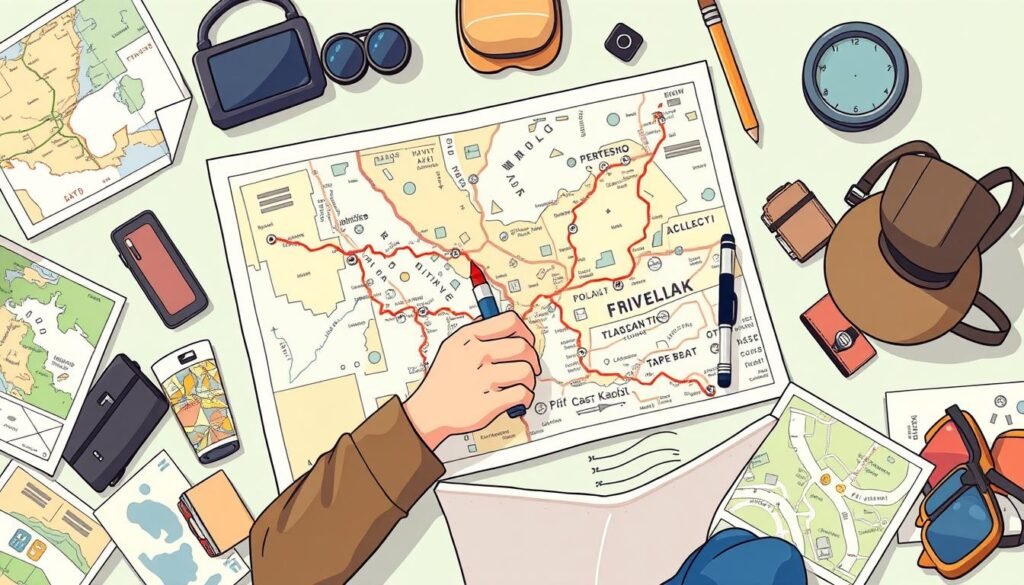
A well-planned road trip can make all the difference in your travel experience. To achieve this, you need to focus on the essentials of road trip planning.
Setting Your Goals and Timeline
Defining clear goals for your road trip is the foundation of effective planning. Whether you’re seeking adventure, relaxation, or cultural experiences, it’s crucial to assess your available time realistically and match it to your ambitions.
Consider the preferences and needs of your travel companions when establishing your road trip objectives. This ensures that everyone has a great time.
Choosing the Right Season for Your Journey
Determining the ideal season for your road trip is vital. Factors such as weather patterns, tourist crowds, and seasonal attractions can significantly impact your journey.
Different seasons affect driving conditions, so it’s essential to prepare accordingly. For instance, winter driving requires caution in snowy conditions, while summer heat can impact your vehicle’s performance.
When making a road trip schedule, consider how many hours you want to drive in a day and the type of weather you’ll encounter. With this information, you can set a realistic timeline. A good rule of thumb is to allocate three days per destination, allowing for a half-day on arrival and two days to explore.
Mapping Your Perfect Route
The art of mapping a road trip lies in finding the right balance between driving time and exploring fascinating destinations. Before the advent of Google Maps, estimating travel times between routes was a challenge.

Balancing Must-See Destinations with Driving Time
To create a balanced road trip route, identify key destinations based on your interests. Researching driving distances and realistic travel times between stops is crucial.
Adding Flexibility for Spontaneous Stops
Building flexibility into your route plan allows for unexpected discoveries. Researching points of interest along your planned route can help identify potential spontaneous stops.
By creating a tiered list of destinations – must-see locations, highly desirable stops, and optional visits – you can adjust your trip as needed.
Digital Tools That Transform Road Trip Planning

In today’s digital age, road trip planning has become more efficient and enjoyable with the help of various online tools. These digital solutions have simplified the process, allowing travelers to create personalized itineraries with ease.
Google Maps for Basic Route Planning
Google Maps is a fundamental tool for road trip planning, offering route optimization and real-time traffic updates. To create a custom map, go to Google My Maps and follow the prompts to add destinations and modify routes.
Specialized Road Trip Apps
Beyond Google Maps, specialized apps like Roadtrippers and Furkot offer additional features such as accommodation booking and fuel cost calculation. These apps help travelers plan a more comprehensive trip.
Tools for Finding Unique Attractions
For discovering unique attractions, tools like Roadside America and Atlas Obscura are invaluable. They provide insights into off-the-beaten-path destinations, making the road trip experience more memorable.
Creating a Realistic Driving Schedule
A successful road trip hinges on creating a realistic driving schedule. This involves understanding your personal driving limits and preferences.
Daily Driving Limits
Knowing your daily driving limits is crucial. Consider factors like driver fatigue and road conditions when determining your comfortable daily distance. For leisure trips, you may prefer shorter drives to enjoy the journey.
Strategic Overnight Stops
Planning stops strategically can enhance your trip. Identify locations that offer interesting experiences and convenient stopping points. Balance driving time with exploration to make the most of your road trip.
| Day | Route | Distance |
|---|---|---|
| 1 | Start to Stop 1 | 250 miles |
| 2 | Stop 1 to Stop 2 | 300 miles |
Budgeting for Your Road Adventure
A well-planned budget is the backbone of a stress-free road adventure. Budgeting for a road trip involves considering various expenses, including accommodation, food, entertainment, gas, and car maintenance.
Calculating Fuel Costs
To accurately calculate fuel costs, consider your vehicle’s efficiency, planned mileage, and regional fuel price variations. Using a fuel cost calculator can help estimate expenses.
Accommodation Options and Expenses
Your accommodation costs can vary greatly depending on your destinations. Mixing budget-friendly options like camping or hostels with mid-range motels or luxury resorts can help balance comfort and cost-effectiveness.
Food and Entertainment Considerations
Food costs can be managed with a car cooler for picnics, while entertainment expenses can range from free activities to guided tours. Prioritizing experiences and taking advantage of city passes can help manage costs.
| Expense Category | Budget-Friendly | Luxury |
|---|---|---|
| Accommodation | Camping, Hostels | Resorts, Boutique Hotels |
| Food | Picnics, Grocery Shopping | Dining at Restaurants |
| Entertainment | Free Activities, City Passes | Guided Tours, Adventure Activities |

Essential Preparations Before Hitting the Road
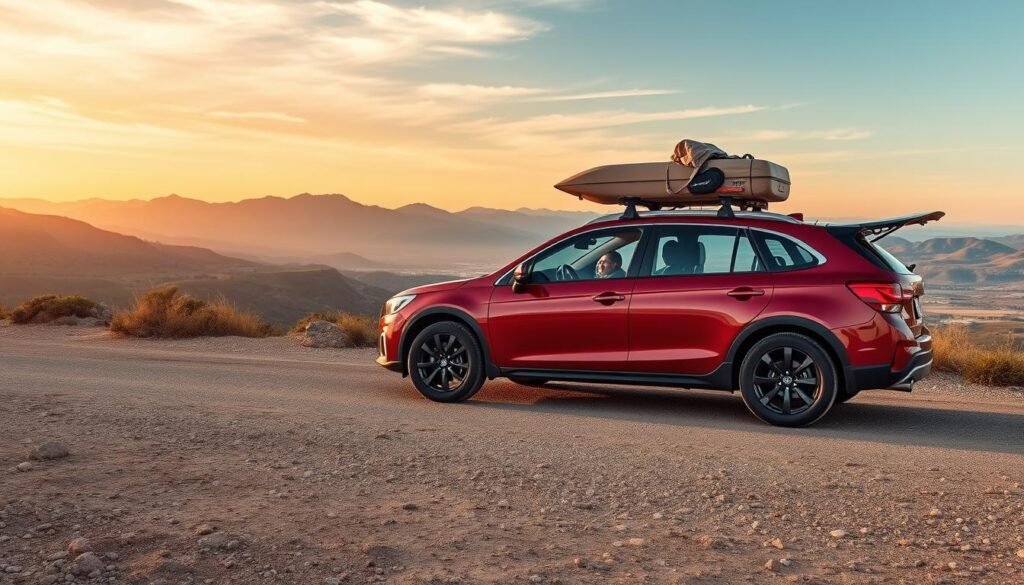
A well-prepared vehicle is the key to a successful and enjoyable road trip adventure. Ensuring your car is in good condition will help prevent unexpected breakdowns and enhance your overall travel experience.
Vehicle Maintenance Checklist
Before you hit the road, it’s essential to check your vehicle’s critical systems. This includes inspecting your tires for proper inflation and tread depth, checking your brakes for wear, and ensuring your fluids (engine oil, coolant, transmission fluid, and brake fluid) are at the recommended levels. Don’t forget to test your battery and replace it if it’s old.
Packing Smart for Maximum Comfort
Packing the right items can make your road trip more enjoyable. Consider bringing comfort items like pillows, blankets, and climate-appropriate clothing. Organize your vehicle to keep frequently needed items within easy reach. Use a cooler to keep snacks and drinks fresh, and don’t forget to pack a first aid kit and basic emergency supplies like a spare tire, jack, and jumper cables.
Conclusion: Your Road Trip Adventure Awaits
The perfect road trip is within reach when you balance structure with spontaneity. By designing a thoughtful route, creating a realistic driving schedule, and budgeting carefully, you’ll set yourself up for success. Don’t forget to leave room for spontaneous stops and unexpected discoveries along the way. With tools like Furkot, you can easily find the perfect accommodations for every night of your trip. Start with a weekend getaway and build your confidence. Happy traveling, and don’t forget to document your memorable moments!