Plan Your Trip to Spain | Flights, Tips & Attractions
Spain Travel: Imagine a destination that offers a rich tapestry of cultures, histories, and landscapes, all within a single country. Spain is that and more, boasting 5,000 miles of coastline and a diverse array of experiences that cater to every type of traveler.
From the vibrant cities of Barcelona and Madrid to the tranquil beaches and mountain retreats, Spain has something for everyone. The country’s cuisine, festivals, and welcoming atmosphere make it an ideal destination for any trip. This comprehensive guide will help you plan your perfect Spanish adventure, regardless of your budget or travel style, and ensure you make the most of your time.
With its excellent tourism infrastructure, Spain is accessible even for first-time international travelers. Let’s start planning your trip!
Why Spain Should Be Your Next Travel Destination
Spain is a treasure trove of diverse experiences, from its sun-kissed Mediterranean beaches to its historic cities and majestic mountain ranges. The country offers a unique blend of cultural heritage and natural beauty.
- Explore diverse regions, from Mediterranean coastlines to snow-capped mountains
- Discover rich historical influences creating unique architectural styles
- Enjoy world-renowned cuisine featuring regional specialties and tapas culture
- Experience warm Spanish hospitality through festivals and communal gatherings
Spain offers excellent value for travelers, with options for every budget. Its transportation infrastructure makes travel within the country easy. Whether seeking art, history, or relaxation, Spain provides authentic experiences.
Best Time to Visit Spain
To make the most of your trip to Spain, it’s crucial to choose the right time to visit.
Spain’s climate varies significantly across different regions, making it a year-round destination. However, the best time to visit Spain depends on your preferences and the activities you have planned.
Summer Season: June to August
Summer is peak tourist season in Spain, with warm weather ideal for beachgoers. Temperatures can soar, especially in the interior. It’s perfect for visiting the coastal regions.
Fall Season: September to November
Autumn brings mild temperatures and fewer crowds, making it an excellent time to explore cities and enjoy outdoor activities like hiking.
Budget-Friendly Months: January to April
Visiting Spain from January to April can be cost-effective due to lower accommodation prices. You can enjoy winter sports, festivals like Las Fallas, and pleasant winter climates in the south and Canary Islands.
| Season | Highlights | Weather |
|---|---|---|
| Summer (June to August) | Beach activities, festivals | Hot |
| Fall (September to November) | Mild weather, fewer crowds | Mild |
| Budget-Friendly (January to April) | Winter sports, festivals, lower prices | Cold in the north, mild in the south |
During the budget-friendly months, you can enjoy significant cost savings, winter-specific attractions like skiing, and major festivals. The pleasant winter climate in southern regions and the Canary Islands is an added bonus.
Getting to Spain: Flight Options and Tips

With multiple international airports, Spain is easily accessible by air. Major airports include Madrid Barajas, Barcelona El Prat, and Malaga Costa del Sol, offering connections worldwide.
Direct flights to Spain are available from major global cities, making it convenient for travelers. Budget airlines provide numerous European connections, while national carriers offer a range of domestic and international flights.
To find the best flight deals, consider the following tips:
- Outline the major international airports in Spain and which ones are best for different regions
- Discuss direct flight options from major global cities to Spain
- Provide tips for finding the best flight deals including optimal booking windows
- Explain budget airline options for traveling to Spain from within Europe
- Mention alternative arrival options including trains from France and ferries from North Africa and Italy
- Discuss the process of navigating Spanish airports and transportation options to city centers
- Provide guidance on managing jet lag when arriving from long-haul destinations
- Suggest potential stopover opportunities that can enhance the journey to Spain
By planning ahead and being flexible with travel dates, you can secure the best trip spain deals. Whether you’re traveling from within Europe or from further afield, Spain’s airports are well-equipped to handle international travelers.
Top Destinations for Your Spain Travel Itinerary
With its rich history, cultural diversity, and breathtaking landscapes, Spain is a traveler’s paradise, offering numerous places to visit and experiences that become lifelong favorites.
Madrid: The Vibrant Capital
Madrid is a city that never sleeps, offering a plethora of activities and sights, from the Prado Museum to the Royal Palace. Visitors can enjoy things to do in Madrid, such as strolling through Retiro Park or exploring the historic center.

Barcelona: Mediterranean Gem
Barcelona is known for its stunning architecture, beaches, and cultural heritage. Some of the top Barcelona attractions include the Sagrada Familia, Park Güell, and a stroll along La Rambla.

Seville: Andalusian Charm
Seville, the capital of Andalusia, is famous for its Moorish architecture, flamenco traditions, and vibrant street life. A Seville travel guide would highlight the Alcázar, Cathedral, and Plaza de España as must-visit sites, along with experiencing the city’s flamenco culture and tapas.
- Explore the Alcázar and Cathedral
- Enjoy flamenco performances
- Wander through the Santa Cruz and Triana neighborhoods
- Experience Semana Santa and Feria de Abril
- Savor local tapas and Andalusian cuisine

Exploring Spain’s 5,000 Miles of Coastline
From the Mediterranean to the Atlantic, Spain’s coastline is a treasure trove of natural beauty and cultural heritage. With its extensive shoreline, Spain offers a diverse array of experiences, from relaxing on pristine beaches to exploring vibrant coastal towns.
Mediterranean Beaches
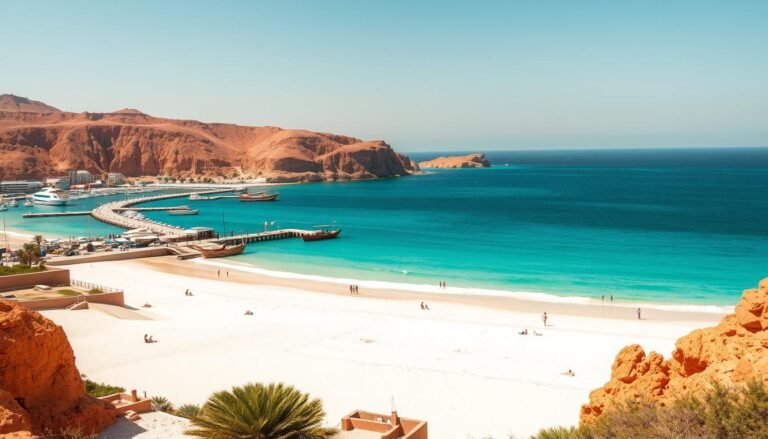
The Mediterranean coast of Spain is renowned for its beautiful beaches and warm climate. Places like Costa Brava and Costa del Sol are popular destinations, offering a mix of bustling resorts and secluded coves.
Atlantic Coast Treasures
Spain’s Atlantic coast, including regions like Galicia and the Basque Country, boasts dramatic landscapes and excellent surfing conditions. The coastline is dotted with charming fishing villages and less crowded beaches, providing a unique alternative to the Mediterranean.
As “The Atlantic coast is a hidden gem, offering a mix of natural beauty and cultural richness.” Visitors can explore the rugged beauty of the northern coastline, enjoy world-class surfing, and experience the unique coastal culture, including its seafood traditions and the Camino del Norte pilgrimage route.
Island Escapes: Balearic and Canary Islands

Escape to Spain’s islands, where the Mediterranean charm of the Balearics and the subtropical allure of the Canaries await. The Balearic Islands, including Mallorca, Menorca, Ibiza, and Formentera, offer a mix of vibrant party scenes and tranquil retreats. In contrast, the Canary Islands boast a year-round mild climate, making them ideal for sun-seekers.
The islands are easily accessible by flights and ferries from mainland Spain and other European cities. Each island has its unique landscapes, from volcanic terrains to pristine beaches, and offers a range of outdoor activities like hiking, water sports, and wildlife watching. Whether you’re looking for a family-friendly vacation or an island-hopping adventure, Spain’s islands have something for everyone.
Hidden Gems: Bilbao, Zaragoza and Salamanca
For those looking to explore beyond the major tourist centers, Spain’s smaller towns offer a wealth of experiences. These historic places are filled with things to see and do, from cultural landmarks to local traditions.
Northern Spain Discoveries
Bilbao, with its iconic Guggenheim Museum, is a must-visit in Northern Spain. The city’s blend of modern and traditional architecture makes it a fascinating destination.
Historic Town Experiences
Zaragoza and Salamanca are steeped in history, with well-preserved medieval architecture and significant cultural heritage. Visitors can explore ancient buildings, enjoy local cuisine, and soak up the atmosphere in these charming towns.
Essential Spain Travel Information
As you prepare for your trip to Spain, it’s essential to have the right information to make the most of your travel experience. Understanding the basics can make a significant difference in your journey.
Language and Currency
While Spanish is the official language, many locals in tourist areas speak English. The official currency is the Euro (€). You can exchange your money at airports, banks, or currency exchange offices. Credit cards are widely accepted, and ATMs are readily available.
Electrical Plugs and Safety
Spain uses Type C and F plugs, with a standard voltage of 230V and a frequency of 50Hz. It’s recommended to bring a universal adapter with surge protection for your devices. For hairdryers and hot tools, a voltage converter may be necessary.
Spain is considered one of the safest European countries, with low crime rates. However, be mindful of pickpockets in crowded areas and public transportation. Here are some safety tips and requirements to keep in mind:
- Be aware of your surroundings, especially in tourist hotspots and public transport.
- Use reputable taxi services or ride-sharing apps.
- Keep your valuables secure and consider using a hotel safe.
- In case of an emergency, dial 112 for assistance.
| Device | Voltage Requirement | Adapter/Converter Needed |
|---|---|---|
| Smartphone | 230V | Universal Adapter |
| Hairdryer | 230V | Voltage Converter & Adapter |
| Laptop | 230V | Universal Adapter |
By being informed and prepared, you can have a safe and enjoyable trip to Spain. Don’t forget to check the latest travel advisories and requirements before your trip.
Spanish Cuisine and Wine Regions
From tapas to fine wines, Spain offers a culinary adventure like no other. Spanish cuisine is a rich tapestry of flavors, with each region offering its unique specialties and wine experiences.
Regional Food Specialties
Spain’s diverse regions boast an array of culinary delights. Savor the best food experience by trying local specialties such as paella from Valencia, gazpacho from Andalusia, and pintxos from the Basque Country.
Rioja and Ribera Wine Experiences
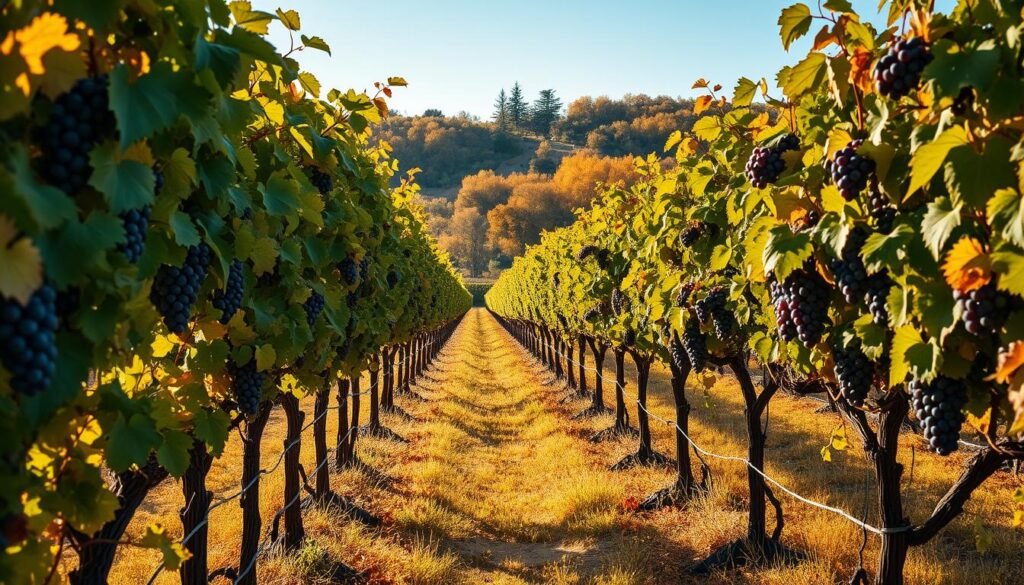
For wine enthusiasts, Rioja and Ribera del Duero are must-visit destinations. Enjoy vineyard tours and wine tastings, exploring the architectural marvels of modern wineries alongside traditional bodegas. September to November is the ideal time to visit during the wine harvest season.
Transportation Options Within Spain
Spain’s transportation system is designed to make your trip convenient and enjoyable. Whether you’re traveling between cities or exploring rural areas, there are various options to suit your needs.
High-Speed Trains and Buses
Spain is renowned for its high-speed train network, connecting major cities like Madrid, Barcelona, and Seville. The AVE train is a popular choice, offering speeds of up to 310 km/h. For more budget-friendly options, buses are available, covering extensive routes across the country.
- High-speed trains: Ideal for long-distance travel between major cities.
- Buses: A cost-effective alternative for shorter distances or rural areas.
Car Rentals and Local Transport
Renting a car offers flexibility for exploring rural areas and small towns. Major cities have excellent public transportation systems, including metro lines, buses, and trams. Ride-sharing services and taxis are also widely available.

- Car rentals: Perfect for discovering hidden gems in rural areas.
- Public transport: Efficient and convenient for city travel.
When planning your trip, consider the advantages of each transportation mode. For city breaks, public transport is often the best choice. For exploring the countryside, renting a car provides the freedom to create your own itinerary.
Accommodation Choices for Every Budget

Spain’s rich array of accommodation options ensures that every kind of traveler finds their favorites. From luxury hotels to budget-friendly hostels, vacation rentals, and unique options like paradores, there’s something for everyone.
The Spanish hotel star rating system is a good indicator of what to expect. Luxury hotels (4-5 stars) offer high-end amenities, while budget options (1-3 stars) provide basic comfort. Unique accommodations like paradores, historic buildings converted into hotels, offer a glimpse into Spain’s rich history.
For budget-conscious travelers, hostels, guesthouses, and pensiones are affordable options. Vacation rentals, popularized through platforms like Airbnb, offer a home away from home. Rural tourism options, including farmstays and mountain lodges, provide a tranquil retreat.
When booking, consider the season. Peak tourist seasons require early reservations. Typical check-in procedures include verifying identity and understanding hotel policies. Amenities vary, but many Spanish accommodations offer Wi-Fi, breakfast, and concierge services.
Cultural Festivals and Experiences
Spain is renowned for its vibrant cultural festivals and breathtaking architectural heritage, offering a unique blend of traditional and modern experiences. The country’s rich cultural landscape is characterized by its numerous festivals, artistic expressions, and architectural treasures.
Seasonal Celebrations
Spain’s cultural calendar is filled with exciting seasonal celebrations, including the Tomatina festival, Semana Santa, and the Running of the Bulls. These events showcase the country’s vibrant culture and are a must-experience for any traveler.
Art and Architecture
Spain boasts world-class art museums and architectural treasures, spanning from Roman ruins to Moorish palaces and modernist masterpieces. Visitors can explore the works of Gaudí, Dalí, and Miró, among others, in museums like Madrid’s Golden Triangle and Bilbao’s Guggenheim.
- Discover Spain’s incredible artistic heritage across different periods.
- Explore major art museums, including Madrid’s Prado and Bilbao’s Guggenheim.
- Experience the country’s diverse architectural styles, from Roman to Modernist.
With its rich cultural heritage and vibrant festivals, Spain has something to offer for every kind of traveler, making it a truly unforgettable destination.
Safety Tips for Travelers
To ensure a smooth trip to Spain, understanding local safety tips is crucial. Spain is generally a safe country, but being aware of certain precautions can enhance your travel experience.
Avoiding Pickpockets
Pickpocketing is a common issue in tourist areas. To avoid this kind of crime, keep your belongings secure and be mindful of your surroundings, especially in crowded places.
Health and Emergency Information
Spain has excellent healthcare facilities. European visitors should carry an EHIC/GHIC card, while others should have travel insurance with medical coverage. In case of an emergency, dial 112. Pharmacies (farmacias) can help with minor medical issues.
| Emergency Service | Contact Number |
|---|---|
| Emergency | 112 |
| Police | 091 |
| Ambulance | 061 (in some regions) |
This guide to safety in Spain will help you navigate the country with confidence. Stay informed, and enjoy your trip!
Family-Friendly Spain Travel Ideas
For families looking to travel, Spain provides an array of kid-friendly attractions and accommodations. From the beautiful beaches to the rich cultural heritage, Spain is an ideal destination for a family vacation.
Kid-Friendly Attractions
Spain is home to numerous attractions that cater to children, including theme parks like PortAventura World and Tivoli World, and interactive museums such as the Science Museum in Barcelona.
Family Accommodation Options
Families can choose from a variety of accommodations, including apartment rentals with kitchen facilities, hotels with family rooms, and all-inclusive resorts offering kids’ clubs and activities. Some popular options include:
| Accommodation Type | Features | Locations |
|---|---|---|
| Apartment Rentals | Kitchen facilities, spacious | Madrid, Barcelona, Costa del Sol |
| Family Hotels | Family rooms, kids’ activities | Major cities, tourist areas |
| All-Inclusive Resorts | Kids’ clubs, water parks | Coastal regions, islands |

A day at the beach or exploring a new city can be a great way to spend quality time as a family in Spain.
Planning the Perfect Week in Spain
Planning a week in Spain can be a daunting task due to its plethora of attractions and experiences. To make the most of your trip, consider focusing on a specific region rather than trying to cover too much ground.
7-Day Highlights Tour
A 7-day highlights tour could include visits to Madrid, Barcelona, and Seville, offering a mix of culture, history, and vibrant city life. This fast-paced itinerary is ideal for those who want to experience the best of Spain in a short time.
Regional Focus Options
Alternatively, focusing on a single region such as Andalusia, the Basque Country, or the Mediterranean coast can provide a more in-depth experience. For example, exploring Andalusia could involve visiting Granada’s Alhambra, Córdoba’s Mezquita, and enjoying the beaches of Costa del Sol.
When choosing a regional focus, consider transportation options within the region. Renting a car can offer flexibility, but public transport is often efficient and convenient. Unique experiences, such as local festivals or wine tastings, can be found in each region, adding to the richness of your trip.
Accommodation in a central location allows for easy day trips to nearby attractions. Seasonal considerations, such as avoiding peak tourist season or enjoying winter sports, can also influence your regional choice. Additionally, aligning your visit with local festivals or events can enhance your experience, making your trip even more memorable.
Beyond Spain: Day Trips and Extended Travel
As you plan your trip to Spain, consider exploring beyond its borders for a more diverse travel experience. Spain’s neighboring countries offer a wealth of exciting destinations.
Neighboring Countries
Countries like Portugal and France are easily accessible from Spain. You can explore the historic sites of Portugal or the French Riviera.
Multi-Country Itineraries
Combining Spain with other European destinations can create a rich travel experience. Consider a thematic route
- Use multi-country rail passes for efficient travel between destinations.
- Balance your time between places to ensure a cohesive experience.
Conclusion: Making Your Spanish Adventure Unforgettable
From the bustling streets of Madrid to the serene beaches of the Costa Brava, Spain has something for everyone. To visit Spain is to experience its rich cultural heritage, vibrant festivals, and diverse landscapes. Proper planning is key to making the most of your time in this beautiful country. Embracing local customs, such as meal times, and leaving some room for spontaneous discoveries will enhance your travel experience. With these tips, you’re ready to start planning your Spanish adventure.