Explore The best beaches in Europe: A Travel Guide
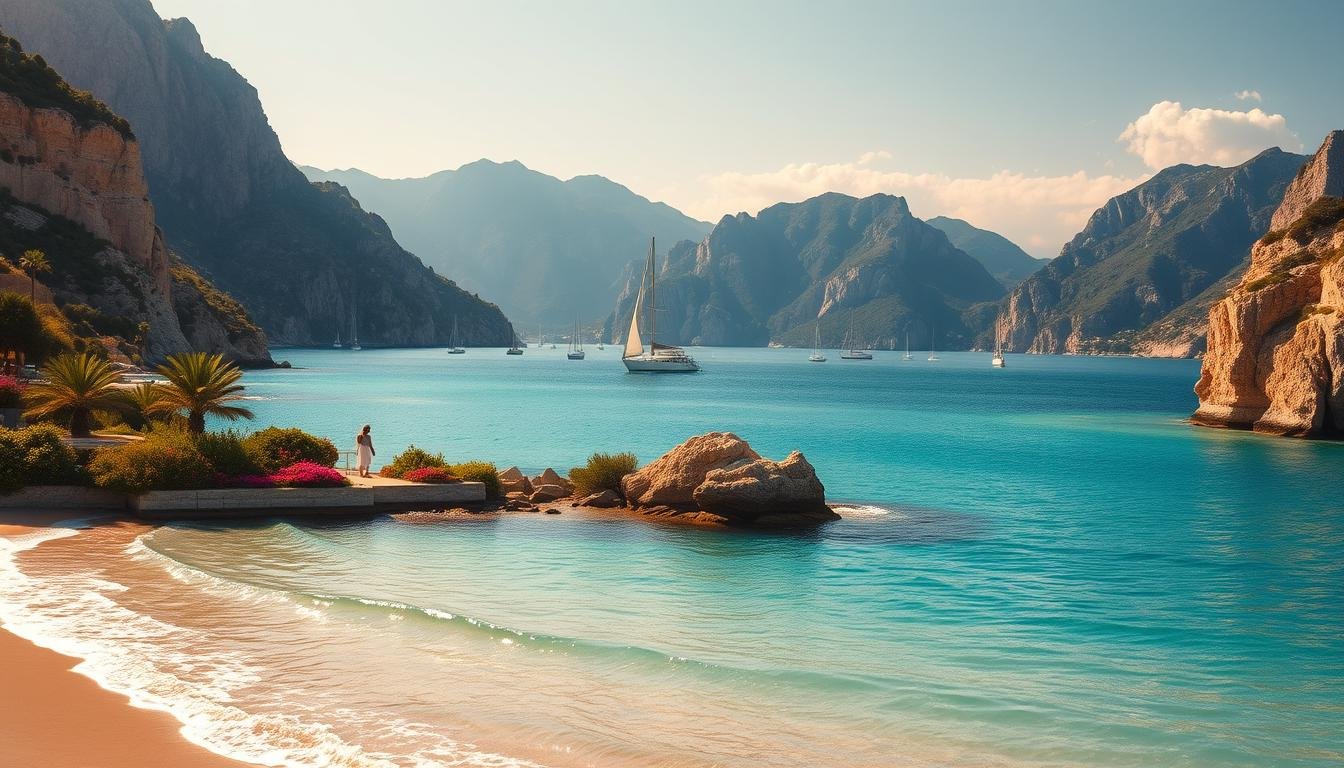
The best beaches in Europe: Imagine strolling along the azure waters of the Mediterranean or standing on the dramatic shorelines of the Atlantic. Europe’s beaches are renowned for their beauty and diversity, offering a unique travel experience.
From bustling resort beaches to secluded coves accessible only by boat or hiking trails, Europe’s coastal landscapes are as varied as they are breathtaking. The sea and water that lap against these shores are a testament to nature’s splendor, making Europe a top destination for beach lovers.
Whether you’re drawn to the historical significance, cultural contexts, or simply the allure of the sea, Europe’s beaches have something for everyone. Get ready to explore the most stunning coastal destinations and plan your perfect travel getaway.
The Allure of European Coastal Paradises
From the crystal-clear waters of the Mediterranean to the dramatic shores of the Atlantic, European beaches are a treasure trove of natural beauty. The sun-kissed shores and picturesque villages make them a perfect destination for travelers seeking relaxation and adventure.
What Makes European Beaches Unique
European beaches stand out due to their diverse landscapes and rich cultural heritage. The beaches range from secluded coves to expansive sandy shores, offering something for every type of visitor. The unique blend of natural beauty and historical significance makes them truly special.
- Diverse landscapes, from rocky cliffs to sandy dunes
- Rich cultural heritage, with numerous historical sites and local traditions
- A wide range of activities, from water sports to leisurely strolls
Best Seasons to Visit European Beaches
The ideal season to visit European beaches varies by region. In southern Europe, the summer months are warm and inviting, while the northern regions have a shorter beach season but offer a unique charm during the shoulder season.
- Early summer warmth in southern Europe
- Shoulder season advantages, with fewer crowds and pleasant temperatures
- Regional climate patterns affecting beach conditions
The Best Beaches in Europe: Regional Overview
Europe’s diverse coastline offers a wide range of beach experiences, from the calm waters of the Mediterranean to the rugged shores of the Atlantic. This diversity is a key factor in making Europe a premier destination for beachgoers worldwide.
Mediterranean vs. Atlantic Coast Experiences
The Mediterranean coast is known for its warm, clear waters and picturesque beaches, making it a favorite among tourists. In contrast, the Atlantic coast offers a more rugged experience with dramatic cliffs and powerful waves, appealing to those seeking adventure.
The choice between these two coastlines depends on personal preference. While the Mediterranean offers a relaxed, sun-soaked experience, the Atlantic provides an exhilarating encounter with nature’s power.
| Characteristics | Mediterranean Coast | Atlantic Coast |
|---|---|---|
| Water Temperature | Warm | Cool to Cold |
| Wave Action | Generally Calm | Rough and Powerful |
| Beach Type | Sandy and Pebbly | Sandy and Rocky |
Popular Beach Regions vs. Hidden Gems
While popular beach regions like the French Riviera and the Greek Islands are well-known for their beauty, they often come with large crowds. On the other hand, hidden gems offer a more secluded and peaceful experience.
Discovering these lesser-known destinations can be rewarding, as they often provide unique landscapes and unspoiled natural beauty. Traveling off-season or exploring less accessible areas can help visitors find these secluded beaches.
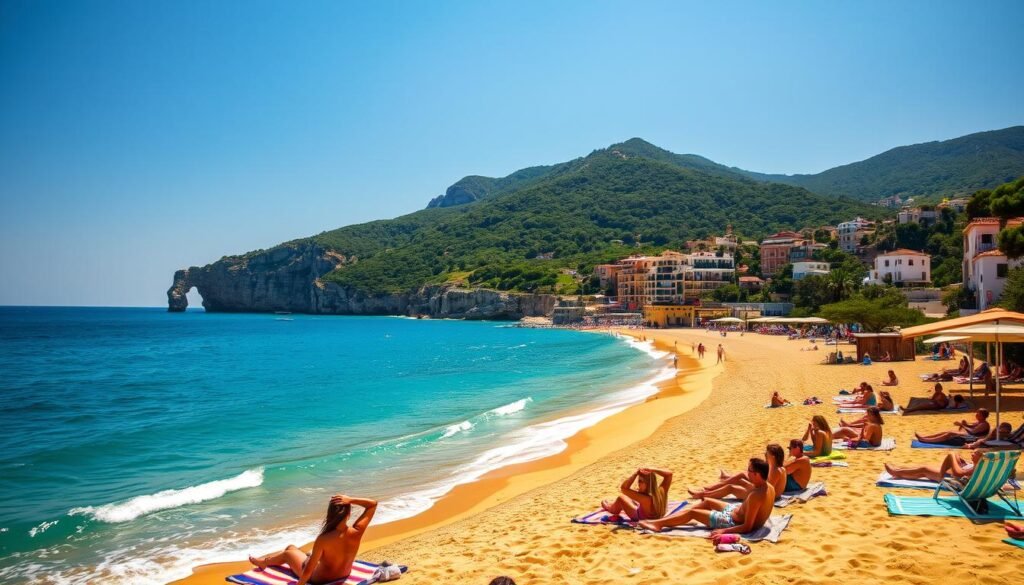
Understanding the advantages and disadvantages of visiting popular versus hidden beach regions can enhance one’s beach experience in Europe. Whether you prefer the vibrant atmosphere of well-known destinations or the tranquility of secluded spots, Europe’s beaches have something to offer every kind of visitor.
Greek Island Beach Treasures
The Greek Islands are home to some of the most breathtaking beaches in the world. With their picturesque landscapes and crystal-clear waters, these beaches offer a unique blend of relaxation and natural beauty.
Paralia Fakistra: A Waterfall-Backed Beach in Pelion
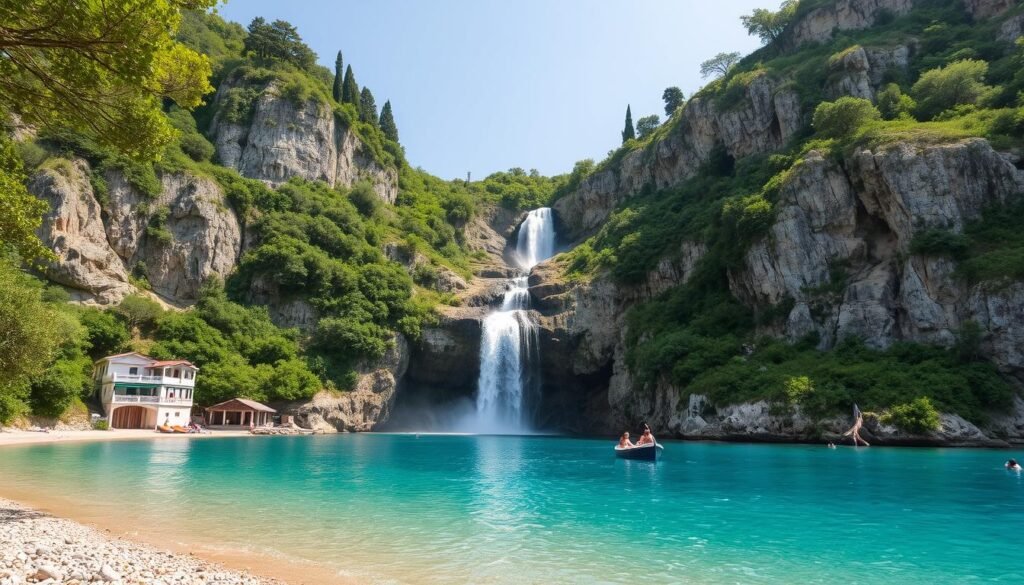
Paralia Fakistra, located in the Pelion region, is a standout among Greek beaches. This beach is uniquely characterized by a waterfall that cascades down to the shore, creating a serene and picturesque setting. The white sand and turquoise waters make it perfect for swimming and sunbathing.
The surrounding landscape is lush and green, adding to the beach’s natural charm. Visitors can enjoy the tranquil atmosphere, and the waterfall provides a refreshing backdrop for a day at the beach.
Kastraki Beach: Naxos’ White Sand Paradise
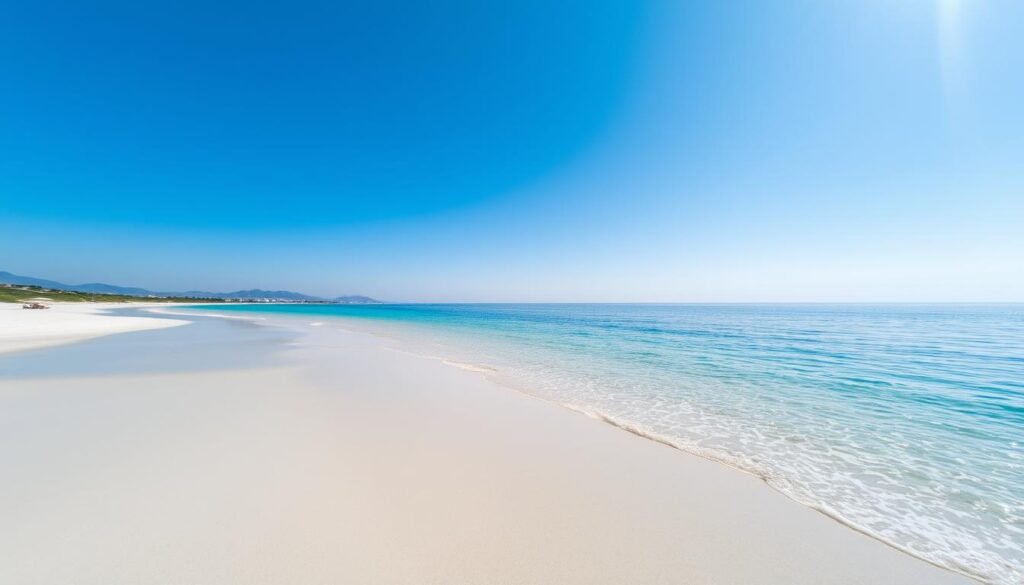
Kastraki Beach on the island of Naxos is renowned for its exceptionally soft white sand and crystal-clear turquoise waters. The beach offers a unique experience, with its waters shifting between light blue and turquoise, creating perfect conditions for swimming.
The beach’s dual personality allows visitors to choose between secluded, peaceful areas to the south and more developed sections with amenities to the north. The presence of sunbeds, a beachfront taverna, and a nearby beach bar enhances the overall experience, making Kastraki Beach a must-visit destination in the Greek Islands.
French Coastal Escapes: From Riviera to Atlantic
France’s varied coastline is home to some of Europe’s most stunning beaches, offering a range of experiences for every kind of traveler. From the sophisticated shores of the Côte d’Azur to the natural beauty of the Atlantic coast, each region boasts its unique charm and attractions.
Plage Notre-Dame: Porquerolles Island’s Protected Paradise
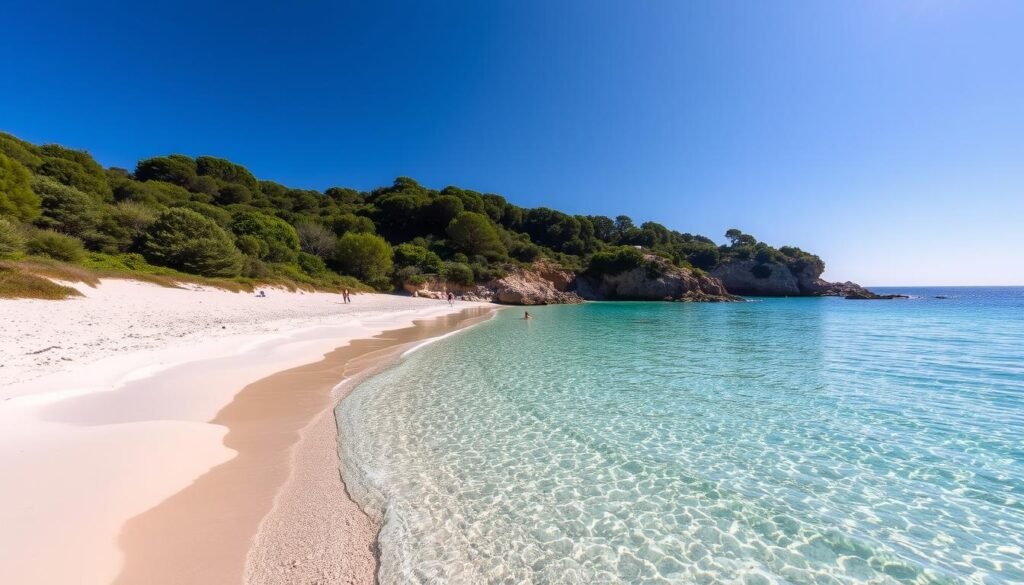
Located on the island of Porquerolles, Plage Notre-Dame is a protected paradise that embodies the essence of a Mediterranean beach. The sand is pristine, and the sea is crystal clear, making it an ideal spot for swimming and snorkeling. The beach is surrounded by lush vegetation and is accessible via a scenic path, adding to its natural allure.
Plage de la Paracou: Sunset Magic in the Vendée
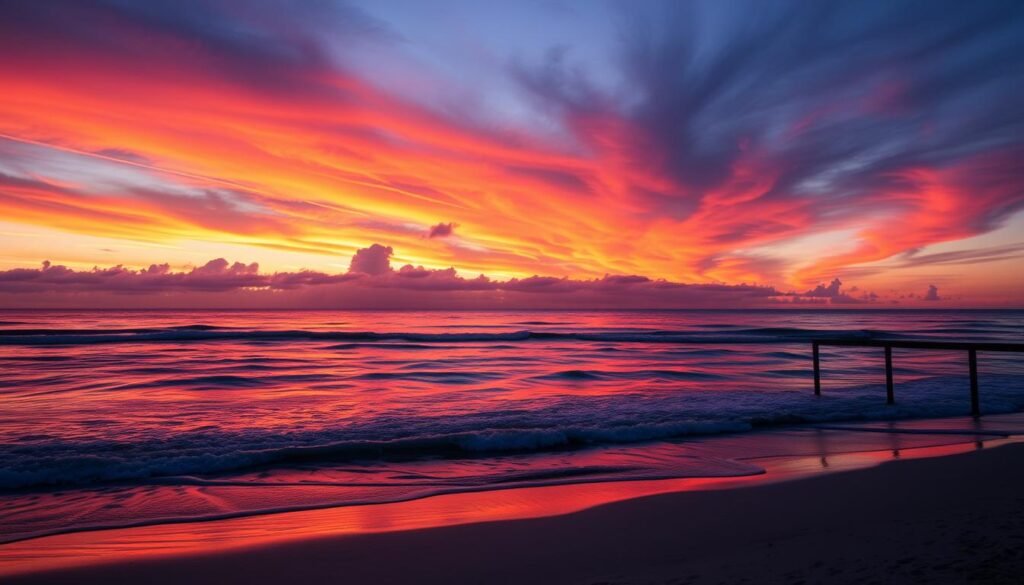
Plage de la Paracou in Les Sables d’Olonne is a hidden gem on the Atlantic coast, known for its sunset views that paint the sky with hues of orange and pink. This smaller, more rugged beach offers an authentic experience, away from the crowds that flock to the main beaches. The expansive sand and the charming open-air bar just beyond the dunes make it a perfect spot to relax and enjoy the natural beauty of the Vendée coast.
Both beaches offer unique experiences, showcasing the diversity of France’s coastline. Whether you’re looking for the luxury of the Riviera or the natural charm of the Atlantic coast, France’s beaches have something for everyone, with breathtaking views that are sure to leave a lasting impression.
Italian and Spanish Mediterranean Gems
The Mediterranean coast is dotted with hidden gems, among which Italy’s Tropea and Spain’s Sant Pol de Mar stand out. These destinations offer a mix of natural beauty, cultural richness, and relaxation, making them perfect for travelers seeking an authentic Mediterranean experience.
Tropea: Calabria’s Cliff-Framed Beach Town
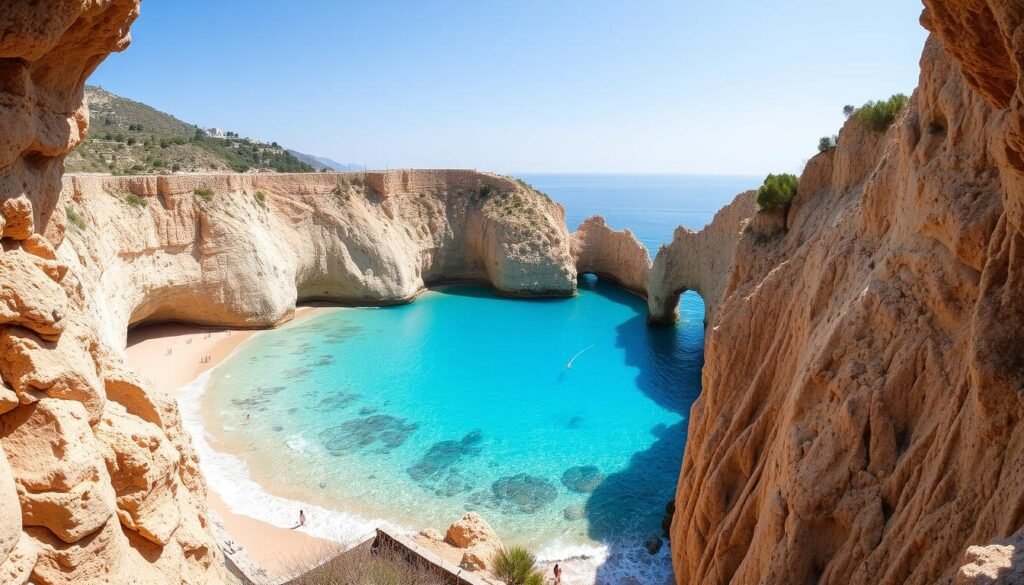
Tropea, a charming town in Calabria, Italy, is renowned for its stunning beaches framed by dramatic cliffs. The town’s historic center offers a glimpse into its rich past, with landmarks like the Norman Cathedral. Visitors can enjoy the pristine waters and sandy shores, making it an ideal spot for relaxation.
The beach experience in Tropea is complemented by the town’s quaint village atmosphere, with its narrow streets and historic buildings. It’s a perfect blend of natural beauty and cultural heritage.
Sant Pol de Mar: Catalonia’s Amber Sand Retreat
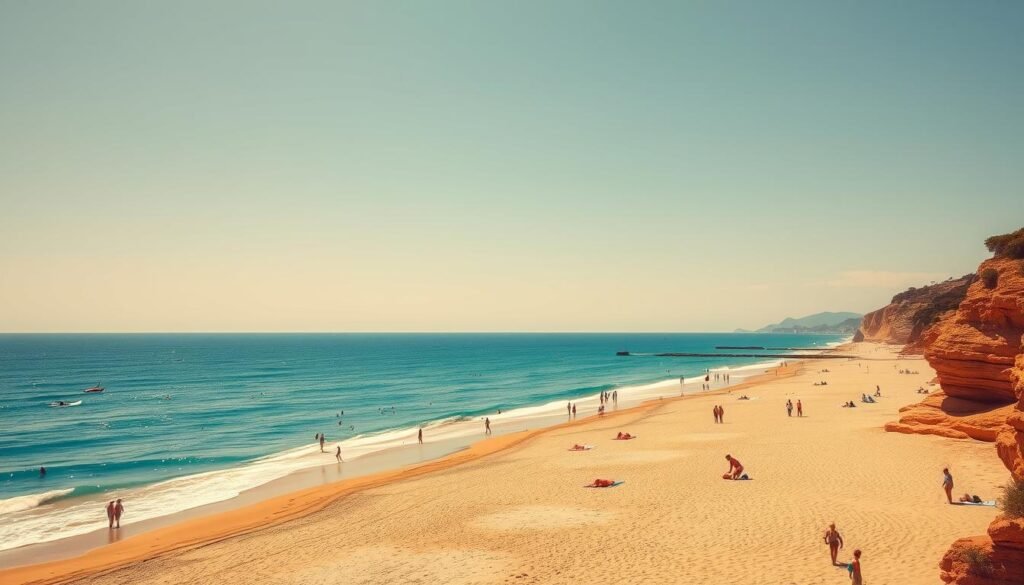
Sant Pol de Mar, located in Catalonia, Spain, is a delightful coastal town that offers a tranquil beach experience. The town is easily accessible by train from Barcelona, making it a popular day-trip destination. Visitors can enjoy the amber-colored sand of Playa el Morer, reached by a leisurely walk along a picturesque bay.
The town’s charm lies in its relaxed atmosphere and the opportunity to enjoy fresh seafood in its village restaurants. Sant Pol de Mar is described as a place where one can mend broken hearts and heal the soul, thanks to its serene environment and beautiful natural surroundings.
Adriatic Treasures: Croatia’s Island Beaches
Mali Lošinj, with its picturesque pine trees and pristine waters, embodies the essence of Croatia’s island beach experience. The journey to this island paradise is part of the adventure, involving a relaxed drive from the Istrian countryside, a ferry ride, and a scenic cruise down the island.
Mali Lošinj: Pine-Shaded Coves and Crystal Waters
The journey to Mali Lošinj is a treat in itself. Starting from Motovun in Istria, a 40-mile drive leads to Brestova, where a ferry ride across to Cres island begins. The road then winds down the island, crossing over to Lošinj via the charming, historic rotating bridge at Osor. This tiny village, with a population of just 26, adds to the sense of discovery.
Upon reaching Mali Lošinj, visitors are greeted by pine-shaded coves that offer natural shade, a rare commodity on Mediterranean beaches. Instead of sandy shores, the beach experience here involves basking on smooth rocks and plunging into the deep, clear waters of the Adriatic Sea.
The maritime heritage of Mali Lošinj is evident, having once been one of the most important seafaring towns in the Adriatic. Today, it stands as a testament to unspoiled natural beauty, preserved and authentic, making it an attractive alternative to Croatia’s more developed coastal areas.
Key Highlights: Unique rotating bridge at Osor, pine-shaded coves, crystal-clear waters, and a rich maritime heritage.
Off the Beaten Path Beach Adventures
Discover the unspoiled beauty of Europe’s less frequented beaches. For travelers looking to escape the crowds, Europe’s coastline offers a diverse array of secluded shores that promise a more intimate and peaceful experience.
Playa de Güigüí: Gran Canaria’s Hiker’s Reward
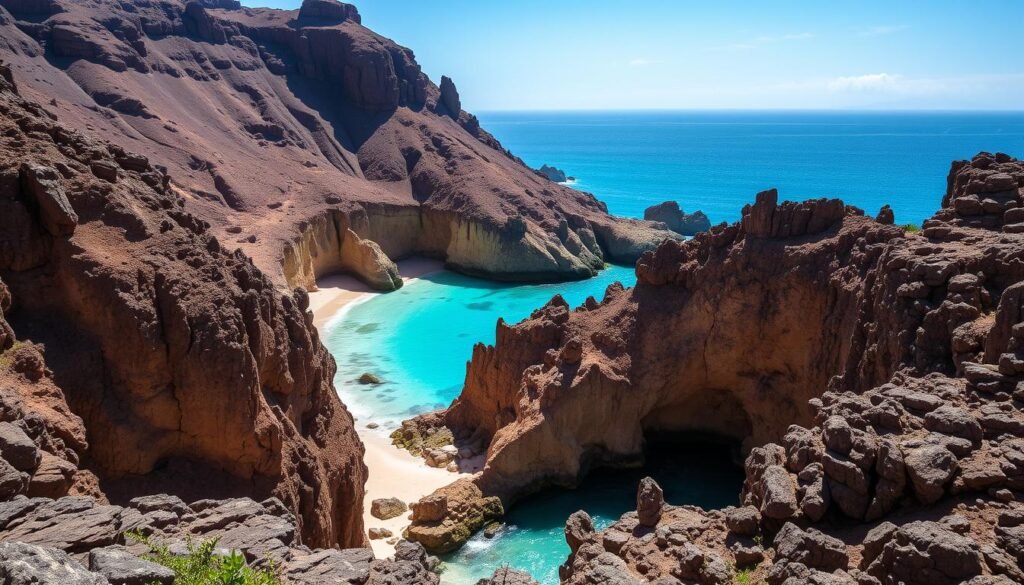
Playa de Güigüí is a hidden gem on Gran Canaria, accessible via a scenic hike that rewards travelers with breathtaking turquoise waters and a serene atmosphere. This off-the-beaten-path beach is perfect for those seeking solitude and a chance to connect with nature. The hike to Güigüí is approximately 2.5 kilometers and offers stunning views of the surrounding landscape.
Plage de Péru: Corsica’s Uncrowded Paradise
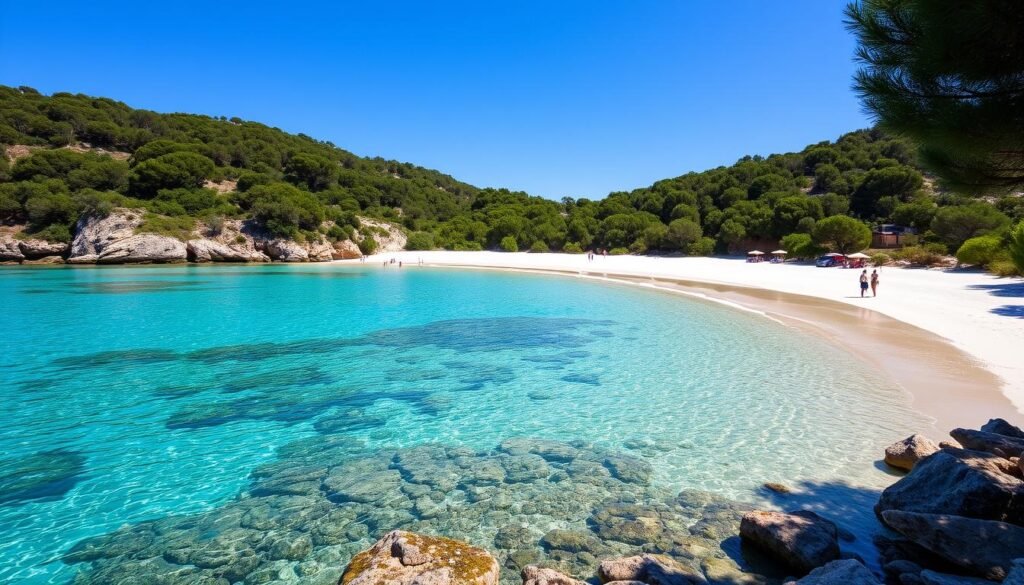
Our favorite beach in Europe is Plage de Péru in Corsica, reachable by a pleasant downhill walk from the Greek village of Cargèse. This beach stands out for its turquoise waters and tranquil ambiance, making it ideal for swimming and relaxation. Visitors can enjoy a day trip to the nearby Genoese tower and savor local cuisine at one of the beach pailottes while watching the sunset.
Northern European Beach Surprises
Venturing beyond the usual southern European destinations reveals hidden gems in the north. Northern Europe’s beaches, though often overlooked, offer unique experiences that are worth discovering.
Sandhammaren and Skateholm: Sweden’s Southern Strands
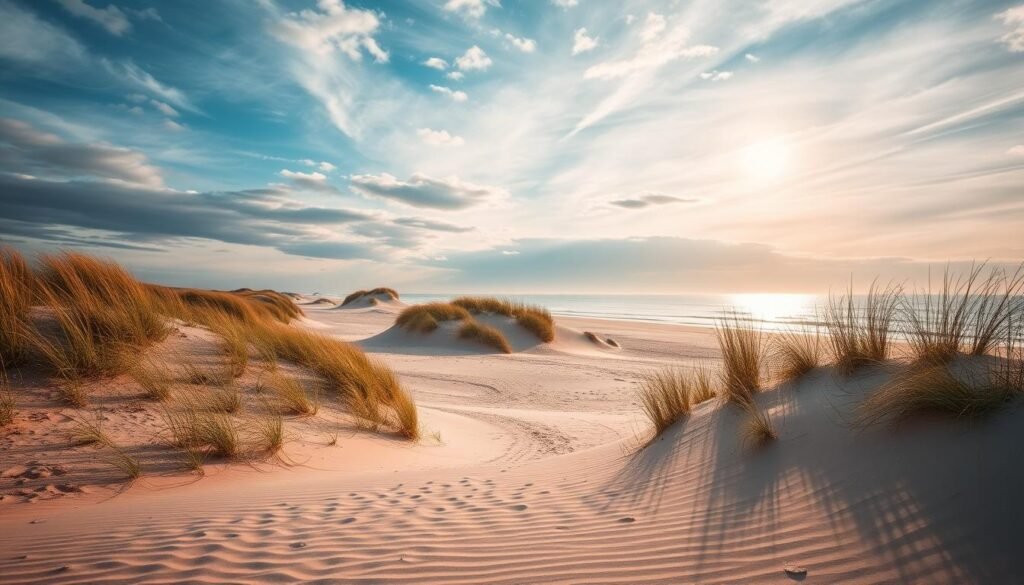
Sandhammaren beach, located near Ystad, Sweden, is known for its picturesque dunes and is a popular spot for those seeking a tranquil summer escape. The area is rich in history and natural beauty, making it a fascinating destination.
Kadikalesi: Turkey’s Bodrum Peninsula Hideaway
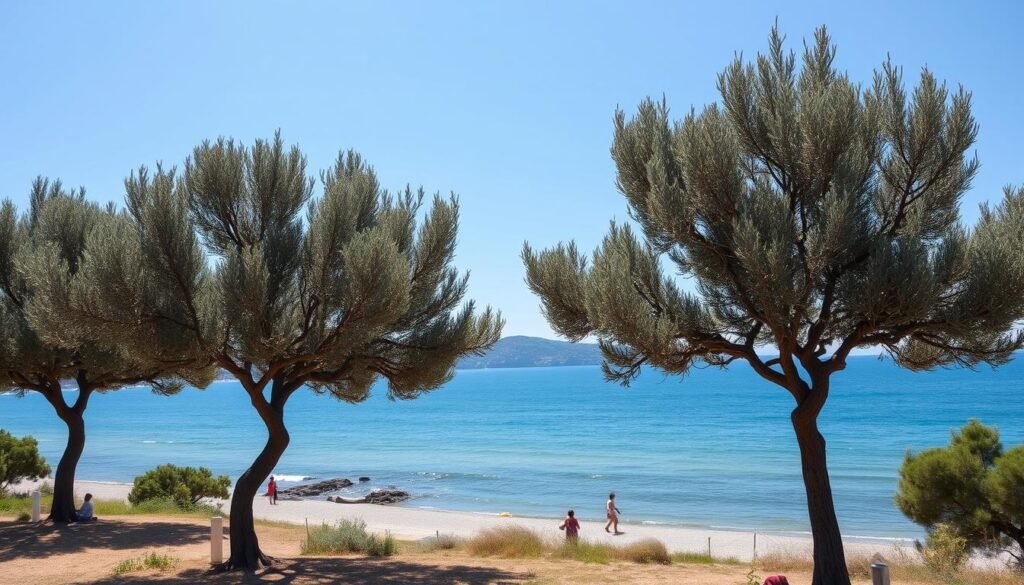
Kadikalesi beach, tucked away on the Bodrum peninsula, is a peaceful beach retreat accessible by local dolmuş (minibus). Visitors can enjoy gentle swims, coffee by the water’s edge, and afternoons lounging under olive trees to the soothing sound of waves on the sea.
The local cafes serve authentic Turkish cuisine, including lahmacun, pide, kofte, and ayran, enhancing the authentic experience. The evenings are particularly special with stunning sunsets over the Aegean.
Practical Guide to European Beach Travel
As you prepare for your European beach vacation, it’s essential to consider the practical aspects of your trip. Planning ahead can make a significant difference in your overall experience.
Essential Packing for Different European Beach Types
When heading to Europe’s diverse beaches, packing the right gear is crucial. For Mediterranean beaches, consider lightweight clothing and sun protection. For Atlantic coast destinations, pack warmer layers and waterproof gear. Don’t forget essentials like a beach towel, sunscreen, and comfortable footwear.
Transportation Tips: Reaching Remote Beaches
Reaching Europe’s more remote beaches often requires careful planning. Research local transportation options, such as buses or trains, and consider renting a car for greater flexibility. Some beaches may be accessible only by ferry or on foot, so be prepared for varied travel conditions.
Accommodation Options: From Luxury to Local
Europe’s beaches offer a range of accommodation options, from luxury resorts to authentic local guesthouses. When choosing where to stay, consider the trade-offs between beachfront convenience and local atmosphere. The following table summarizes key factors to consider:
| Accommodation Type | Price Range | Beach Access |
|---|---|---|
| Luxury Resort | High | Direct |
| Local Guesthouse | Moderate | Nearby |
| Glamping/Eco-Resort | Moderate to High | Varies |
Conclusion: Creating Your Perfect European Beach Itinerary
As we conclude our journey through Europe’s best beaches, it’s time to curate your personalized coastal itinerary. By combining different types of beach experiences, you can create a well-rounded European coastal vacation that suits your travel style.
Consider balancing beach time with cultural exploration, and factor in seasonal considerations to make the most of your trip. With destinations ranging from famous hotspots to hidden gems, you can craft a unique beach experience that showcases the diversity of European landscapes.
Whether you prioritize natural beauty, facilities, activities, or cultural context, your perfect beach itinerary is within reach. Start planning your dream European beach vacation today, and enjoy the turquoise waters and stunning beaches that make Europe a top travel destination.