Top Things to Do in Morocco
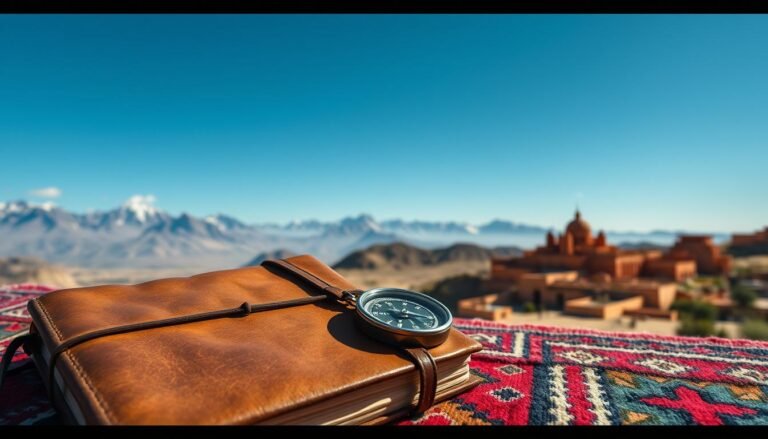
Top Things To Do In Morocco: Morocco is a country that promises an unforgettable journey with its rich cultural heritage and stunning landscapes. From the labyrinthine medinas to the towering sand dunes of the Sahara Desert, Morocco offers a diverse range of experiences that cater to all kinds of travelers.
When you visit Morocco, you’ll discover a unique blend of Arab, Berber, and European influences that create a fascinating cultural tapestry. Whether you’re a first-time visitor or a returning traveler, Morocco’s best places to explore will leave you with lifelong memories.
The country’s one best features is its ability to balance tradition with modernity, making it an exciting destination for anyone looking to explore a new city or experience the beauty of the country.
Discovering Morocco’s Magic
With its rich cultural heritage and breathtaking landscapes, Morocco offers an unforgettable travel experience. Morocco is a country of dazzling diversity, from its ancient cities and craggy mountain ranges to rolling deserts and deserted beaches.
One day you could be scaling Toubkal, North Africa’s highest peak; the next, you could be meeting designers in Marrakesh, riding the Atlantic rollers in Essaouira, strolling through the twisting blue alleyways of Chefchaouen, or savoring street food in the medieval medina of Fez. This incredible variety of experiences is what makes visiting Morocco so unique.
- Morocco captivates visitors with its incredible diversity, offering experiences that range from bustling city life to serene desert landscapes and coastal retreats.
- The country’s strategic location at the crossroads of Europe and Africa has shaped its unique cultural identity, blending Berber, Arab, and European influences.
- First-time visitors to Morocco are often overwhelmed by the sensory experience – vibrant colors, exotic scents, and the melodic calls to prayer that echo through ancient city walls.
- Morocco’s varied geography allows travelers to experience dramatic changes in landscape within short distances, from the snow-capped Atlas Mountains to the golden dunes of the Sahara.
- Understanding Morocco’s rich history and cultural nuances will enhance your travel experience and help you appreciate the depth behind the country’s most famous places and attractions.
- The best time to visit Morocco is during spring (March to May) or fall (September to November) when temperatures are pleasant throughout the country.
Whether you’re exploring the best places in Morocco’s vibrant cities, discovering hidden gems in its ancient medinas, or simply soaking up the atmosphere in a traditional riad, Morocco promises an experience like no other. With its rich history, stunning landscapes, and warm hospitality, Morocco is a country that will leave you enchanted and eager to return.
Lose Yourself in Morocco’s Ancient Medinas

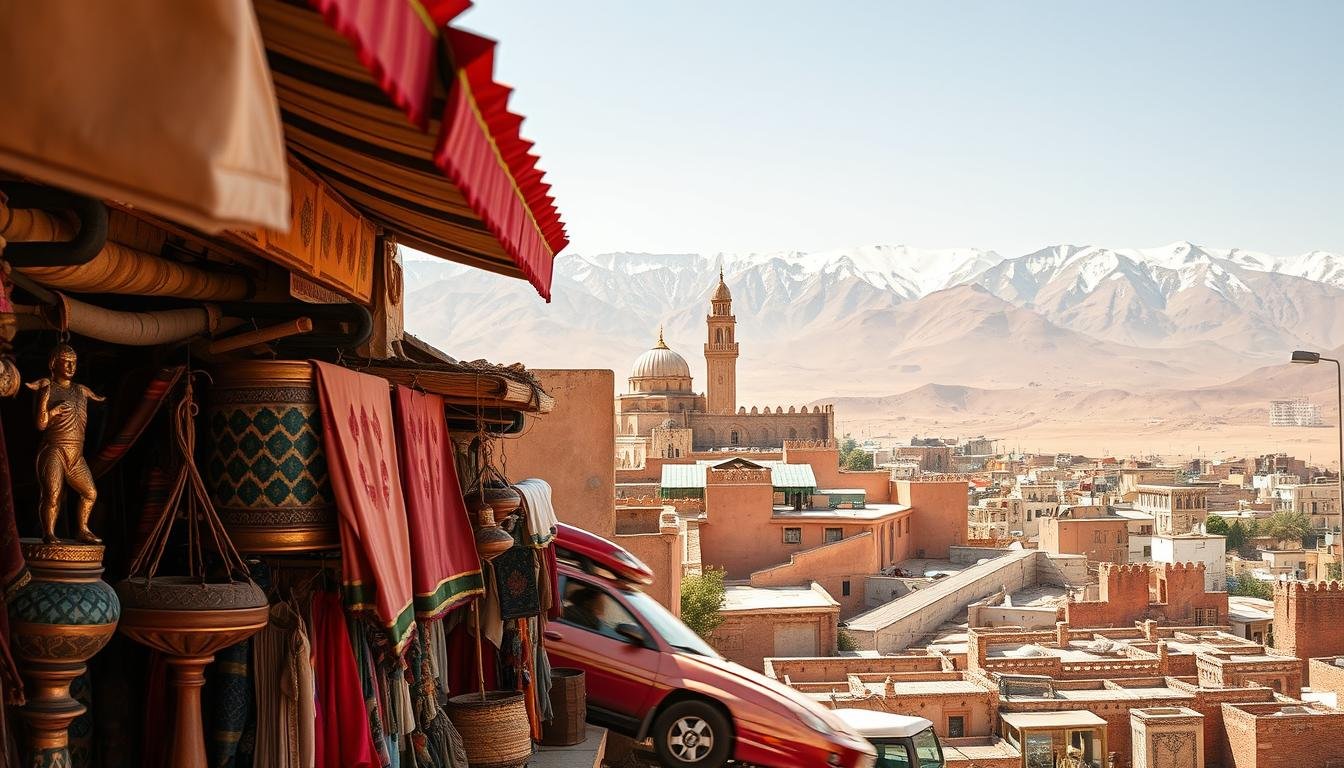
Stepping into Morocco’s ancient medinas is like entering a different world, full of narrow streets and vibrant markets. Morocco’s ancient medinas are the historic hearts of its cities, enclosed by towering walls and filled with a labyrinth of narrow streets and alleyways that have remained largely unchanged for centuries.
One of the most famous medinas is in Marrakesh, where the Djemaa El Fna square is at the heart of the city, creating an unforgettable atmosphere, especially at sunset. In Fez, the world’s largest living medieval medina, Fez El Bali, boasts over 9,000 winding streets where artisans practice traditional crafts.
Getting lost in these medinas is not just inevitable but part of the experience. It’s one of the best ways to discover hidden gems like tucked-away riads, local hammams, and authentic food stalls. The medinas of Tetouan and Essaouira offer equally enchanting but less crowded alternatives, each with its own distinct character and architectural style.
To make the most of your visit, explore Morocco’s medinas in the early morning or late afternoon to avoid the midday heat and experience the changing atmosphere as local life unfolds throughout the day.
Experience the Sahara Desert’s Endless Dunes

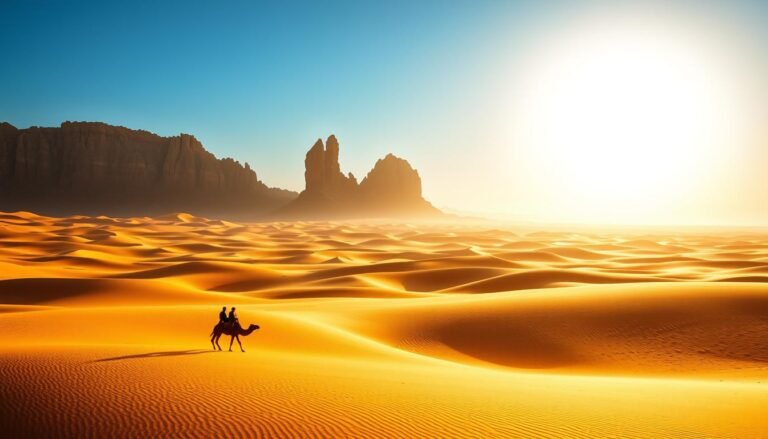
Morocco’s Sahara Desert is a treasure trove of unforgettable experiences, from camel treks to serene desert nights. To witness the majestic sand dunes, one must head east of the High Atlas spine to the far eastern desert region near the Algerian border.
The most popular destination for grand and rippling sand dunes is Erg Chebbi, prime territory for dune surfing, four-wheel-drive dune-bashing, and sunrise and sunset camel trekking. A camel trek across the golden sand dunes at sunrise or sunset is truly unforgettable.
- The Sahara Desert experience is one of the most iconic things to do in Morocco, offering visitors the chance to witness some of the most spectacular sand dunes in the world.
- Spending the night in a traditional Berber desert camp under the star-filled Saharan sky is a magical experience.
- The journey to the desert itself is part of the adventure, taking you through changing landscapes.
Most desert excursions depart from Merzouga or M’Hamid, with options ranging from basic overnight trips to luxurious multi-day experiences. The one best time to visit Morocco‘s desert is between October and April when temperatures are more moderate.
Explore the Stunning Blue City of Chefchaouen

Nestled in the heart of the Rif Mountains, Chefchaouen boasts a medina like no other, with its striking blue hue. Known as “The Blue Pearl” of Morocco, Chefchaouen is one of the country’s most photogenic destinations.
The town’s distinctive blue color scheme has its roots in the 15th century when Jewish refugees fleeing the Spanish Inquisition settled here and painted buildings blue to symbolize the sky and heaven. Wandering through Chefchaouen’s peaceful medina offers a more relaxed experience compared to the bustling cities of Marrakesh and Fez.
Visitors can shop for local handicrafts like woolen garments and woven blankets, relax at a café in Plaza Uta el-Hammam, and sample local cuisine. Chefchaouen makes an excellent day trip from Tangier or Fez, though many travelers choose to spend at least one night to experience the magical atmosphere of the blue city at sunrise and sunset.
Nature lovers can use Chefchaouen as a base for exploring the surrounding Rif Mountains, with popular hiking trails leading to the nearby Akchour Waterfalls and God’s Bridge natural rock formation, making it one of the best places to visit in Morocco.
Hike the Dramatic Atlas Mountains

For hikers, the Atlas Mountains are a paradise with trails for all experience levels. The High Atlas is a hiker’s dream, stretching diagonally across Morocco for around 1000km (620 miles), from the Atlantic coast to northern Algeria.
The village of Imlil, located in the foothills of the High Atlas just 90 minutes from Marrakesh, serves as the jumping-off point for scaling Toubkal, North Africa’s highest peak at 4167m (13670ft). This challenging but achievable two-day trek rewards climbers with panoramic views across the mountains and plains.
Beyond the popular Toubkal routes, the Atlas Mountains are home to traditional Berber villages where life continues much as it has for centuries. Visitors can experience the local culture and natural beauty, making for a memorable day trip or longer trip.
The best hiking seasons are spring (April-May) when wildflowers carpet the valleys and autumn (September-October) when temperatures are mild and skies are clear. Multi-day treks typically include overnight stays in basic mountain refuges or Berber family homes, providing an authentic glimpse into rural Moroccan life in these places.
Discover Morocco’s Imperial Cities

Exploring Morocco’s imperial cities is a journey through the country’s dynastic past and its architectural achievements. Morocco’s four imperial cities – Marrakesh, Fez, Meknes, and Rabat (the current capital) – each served as the country’s capital at different points in history and showcase distinct architectural styles and cultural heritage.
Fez, the oldest imperial city dating back to the 8th century, is renowned for its medieval medina, ancient madrasas (Islamic schools), and the world’s oldest university, Al-Qarawiyyin, founded in 859 CE. In contrast, Marrakesh, known as the “Red City” for its rose-colored buildings, blends imperial grandeur with vibrant street life, particularly in the iconic Jemaa el-Fnaa square.
Meknes, often overlooked by tourists, features impressive monuments from the reign of Sultan Moulay Ismail, including the massive Bab Mansour gate and the royal granaries. Meanwhile, Rabat, Morocco’s current capital, offers a more relaxed atmosphere with wide boulevards, the picturesque Kasbah des Oudaias, and the unfinished Hassan Tower.
Visiting all four imperial cities provides a comprehensive understanding of Morocco’s dynastic history and the different architectural and cultural influences that have shaped the country over centuries. When you visit Morocco, exploring these best places and cities is a must to experience the rich history and culture of this fascinating city and its capital.
Relax in Coastal Beach Towns

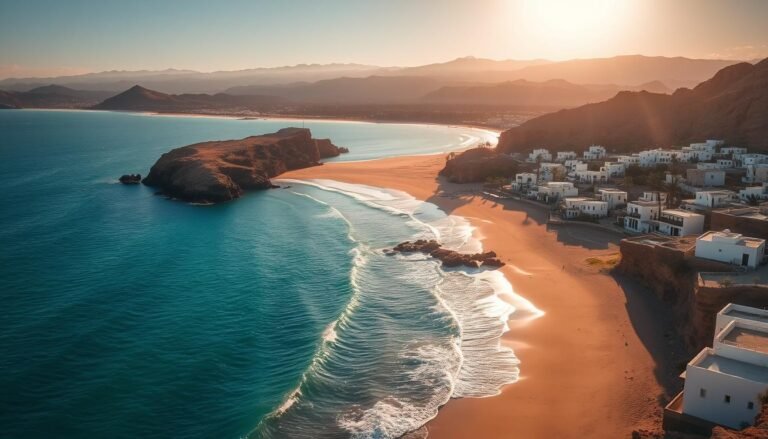
Morocco’s coastline is home to numerous charming beach towns that offer a serene escape from the country’s vibrant cities. The 1,200-mile Atlantic coastline is dotted with these towns, providing a refreshing contrast to the bustling imperial cities and desert landscapes.
Essaouira, a UNESCO World Heritage site, is a standout destination. It combines a picturesque fortified medina with a wide, windswept beach that attracts windsurfers and kitesurfers from around the world. Its laid-back atmosphere and thriving art scene make it a favorite among travelers seeking relaxation.
Other notable beach towns include Agadir, known for its 6-mile crescent of golden sand and modern infrastructure, making it Morocco’s premier beach destination for international tourists. Lesser-known gems like Asilah, with its whitewashed buildings and annual arts festival, and Oualidia, with its peaceful lagoon perfect for swimming, offer unique experiences.
These coastal towns showcase a different side of Moroccan culture, where traditional fishing practices continue alongside growing tourism. The best beaches for swimming are found along the northern Mediterranean coast near Tangier and Al Hoceima, while the Atlantic beaches offer more dramatic scenery and better conditions for surfing and other water sports.
Shop in Vibrant Souqs and Markets

Morocco’s vibrant souqs and markets are a shopper’s paradise, offering an authentic and unforgettable experience. The labyrinthine passageways of the souq in Marrakesh are devoted to everything from aromatic spices to leather babouches and shaggy wool rugs, with artisans weaving, hammering, and carving out their wares as they’ve done for centuries.
Morocco’s souqs offer one of the most authentic shopping experiences in the world, with each city featuring its own specialties. For instance, Marrakesh is known for its spices and textiles, while Fez is renowned for its leather goods and metalwork. The souqs are typically organized by craft or product, allowing visitors to observe artisans practicing centuries-old techniques.
When shopping in Morocco, make sure to familiarize yourself with customs regulations before purchasing items like antiques or certain animal products that may be restricted for export. Haggling is an expected part of the shopping experience, and approaching it with good humor and patience can lead to fair prices and memorable interactions with local merchants.
Beyond traditional crafts, Morocco’s markets also showcase the country’s culinary bounty, with stalls selling fresh produce, olives, dates, and nuts that make perfect edible souvenirs. For those who prefer fixed prices, many cities now have cooperatives and boutiques that offer fair trade products at set prices, particularly in Marrakesh’s Gueliz district.
Visit Ancient Kasbahs and Ksour

From the majestic Ait Ben Haddou to the lesser-known kasbahs, Morocco’s ancient fortified structures are a treasure trove of history and culture. Morocco’s landscape is dotted with kasbahs (fortified citadels) and ksour (fortified villages), with Ait Ben Haddou being the most famous, a UNESCO World Heritage site that has served as a backdrop for numerous films, including “Gladiator” and “Game of Thrones.”
These mud-brick structures, often rising dramatically from the surrounding landscape, served as defensive strongholds and homes for powerful families, particularly along ancient trade routes through the Atlas Mountains and pre-Saharan regions. The architecture of these structures is uniquely adapted to the harsh desert environment, with thick walls providing insulation against extreme temperatures and intricate designs showcasing the artistic heritage of Berber culture.
Beyond Ait Ben Haddou, other notable kasbahs include Telouet Kasbah, once home to the powerful el Glaoui family; Taourirt Kasbah in Ouarzazate; and the restored Kasbah Amridil in the Skoura Oasis. The “Route of a Thousand Kasbahs” through the Dades Valley and Draa Valley offers travelers the opportunity to explore numerous examples of these structures, from well-preserved tourist attractions to crumbling ruins that speak to the passage of time.
Experience a Traditional Hammam

Discover the heart of Moroccan wellness by experiencing a traditional hammam, a unique blend of relaxation and cultural immersion. The hammam, or traditional bathhouse, is a cornerstone of Moroccan culture and social life, offering visitors a chance to unwind and rejuvenate.
In every city neighborhood, you’ll find a hammam, ranging from simple public bathhouses to luxurious private facilities at high-end hotels. The hammam ritual typically involves relaxing in a steam room, followed by a vigorous scrubbing with a special exfoliating glove (kessa) and black soap (savon beldi) made from olive oil, and finishing with a rinse of cool water.
Make sure to bring a change of underwear, a towel, and flip-flops when visiting a public hammam. For a more luxurious experience, many riads and hotels offer private hammam experiences with additional treatments like argan oil massages and rose water rinses. Visiting a hammam is one popular wellness experience in Morocco, providing not just physical benefits but also a moment of calm amid the sensory intensity of Moroccan cities.
Savor Authentic Moroccan Cuisine

Moroccan food is a sensory journey, with a blend of spices, herbs, and other ingredients creating a unique flavor profile. The country’s cuisine is a genuine melting pot, with influences from Amazigh (Berber), Arabs, Moors, Ottoman Turks, and French, all leaving their culinary mark.
One of the best ways to discover Moroccan cuisine is on a street-food tour. Fearless foodies can sample everything from snail soup to boiled sheep’s head, plus tempting sweet treats such as chebakia (deep-fried dough coated in sesame seeds) and wild honey.
Some of the signature dishes to try include:
- Tagine (slow-cooked stew)
- Couscous (traditionally served on Fridays)
- Pastilla (savory-sweet meat pie)
- Mechoui (slow-roasted lamb)
- Harira (hearty soup)
To experience authentic Moroccan cuisine, visit family-run restaurants called “traiteurs,” food stalls in Jemaa el-Fnaa in Marrakesh, or home-cooked meals at riads. Don’t forget to try Moroccan mint tea, the national drink, which is an essential part of Moroccan hospitality.
Top Things to Do in Morocco for Architecture Lovers
Morocco is a treasure trove of architectural wonders, offering a diverse range of styles that captivate visitors from around the world. The country’s rich cultural heritage is reflected in its buildings, from ancient Roman ruins to medieval Islamic masterpieces and contemporary interpretations of traditional styles.
The Hassan II Mosque in Casablanca stands as one of the most impressive modern Islamic buildings in the world. Featuring a 210-meter minaret and hand-crafted decorative elements by 10,000 artisans, it showcases the finest Moroccan crafts, including hand-carved stucco, painted wood, and stunning zellige tilework.

Architectural Highlightsacross Morocco include the 9th-century Al-Qarawiyyin Mosque and University in Fez, the ornate Bahia Palace in Marrakesh, and the kasbahs of the south. These structures demonstrate the evolution of Moroccan architecture, influenced by various cultures and traditions. Visitors can explore themedinas(old cities) and discover the unique characteristics of each region’s architecture.
For those interested in contemporary architecture, Rabat’s Mohammed VI Contemporary Art Museum and Casablanca’s modernist buildings from the early 20th century offer fascinating examples of how Morocco continues to evolve its architectural identity. Whether you’re exploring the best places in Morocco or visiting a new city, the country’s architecture is sure to leave a lasting impression.
Explore Roman Ruins at Volubilis

Explore the well-preserved Roman ruins at Volubilis, a testament to Morocco’s rich past. This UNESCO World Heritage site is the best-preserved archaeological site in Morocco, offering visitors a glimpse into the country’s Roman past when it served as a provincial capital.
The site features remarkably well-preserved mosaics depicting Roman mythology, daily life, and natural scenes. The House of Orpheus and House of Venus contain some of the most impressive examples, left in their original locations. The triumphal arch of Caracalla, built in 217 CE, stands as the most iconic structure at Volubilis, framing perfect views of the surrounding olive groves and rolling countryside.
Visiting early morning or late afternoon provides the best light for photography and more comfortable temperatures. Volubilis makes an ideal day trip from nearby Meknes or Fez, and can be combined with a visit to the holy town of Moulay Idriss Zerhoun. With its rich history and stunning views, Volubilis is one of the best places to visit in Morocco.
Attend Vibrant Moroccan Festivals

The country’s vibrant festivals are a testament to its eclectic cultural heritage. Morocco’s rich musical culture boasts influences from Amazigh to Andalusian, Arabian to sub-Saharan, making it a top destination for music festivals.
One of the most popular festivals is the Gnaoua World Music Festival, held in the coastal city of Essaouira. This four-day event features open-air concerts with traditional Gnaoua musicians and international artists.
Other notable festivals include Jazzablanca in Casablanca, showcasing local and global jazz talent, and the Festival of World Sacred Music in Fez, promoting dialogue between spiritual traditions through music.
Morocco’s festival calendar is filled with events celebrating its diverse cultural heritage, from traditional religious celebrations to international music and art events.
Take a Scenic Road Trip Through Dramatic Landscapes

Embark on a thrilling adventure through Morocco’s diverse landscapes on a scenic road trip. Morocco’s diverse geography makes it ideal for road trips, with routes that take travelers from coastal plains through cedar forests, over mountain passes, and into desert landscapes.
The Tizi n’Tichka Pass through the High Atlas Mountains offers spectacular mountain scenery with panoramic views of terraced fields and traditional Berber villages. The “Route of a Thousand Kasbahs” through the Dades Valley and Draa Valley showcases historic architecture against dramatic gorges and palm oases.
Northern Morocco’s Rif Mountains provide a different road trip experience with winding roads through lush forests and Mediterranean coastal views. Self-driving allows flexibility to stop at small villages and viewpoints, revealing less-touristed places and authentic experiences.
A well-planned trip can connect many of Morocco’s highlights, offering breathtaking views along the way. With its diverse landscapes and rich cultural heritage, Morocco is a perfect destination for a memorable road trip adventure.
Ride the High-Speed Train Between Cities

Experience the thrill of traveling between Morocco’s vibrant cityscapes on the Al Boraq, Africa’s first high-speed train. Launched in 2018, this modern marvel has revolutionized the way to travel between the country’s northern cities, making it possible to visit Morocco‘s diverse places in a single trip.
The Al Boraq train reaches speeds of up to 320 km/h (200 mph), connecting city hubs like Tangier, Rabat, and Casablanca in just over two hours. With stops in Kenitra and Rabat, travelers can easily plan a trip that includes multiple cities, enjoying the cosmopolitan atmosphere of Casablanca, the historic sites of Rabat, and the international flair of Tangier.
This efficient transportation option not only simplifies travel between cities but also offers a more sustainable way to explore Morocco, with plans to increase its renewable energy usage to 50% in the coming years. Whether you’re a budget traveler or looking for more comfort, the Al Boraq train offers different classes of service to suit your needs.
Conclusion: Creating Your Perfect Moroccan Itinerary
As you plan your trip to Morocco, balancing the country’s diverse attractions is key to a memorable experience. To visit Morocco like a pro, consider a 10-14 day itinerary that covers Marrakesh, Fez, Chefchaouen, and a desert excursion.
When deciding on the best places to visit, remember that time is crucial. Spring and fall offer pleasant temperatures nationwide, while summer is ideal for coastal areas. Make sure to build in some unstructured time to wander through ancient medinas or sit in cafés watching the world go by.
For a hassle-free travel experience, consider hiring local guides for specific sites or joining organized tours for desert excursions. With so many exciting things to see and do, you’ll want to make sure you have enough days to explore the country’s top spots. Whatever places you choose, Morocco’s warm hospitality and rich cultural heritage will leave you planning your return visit before you’ve even departed.