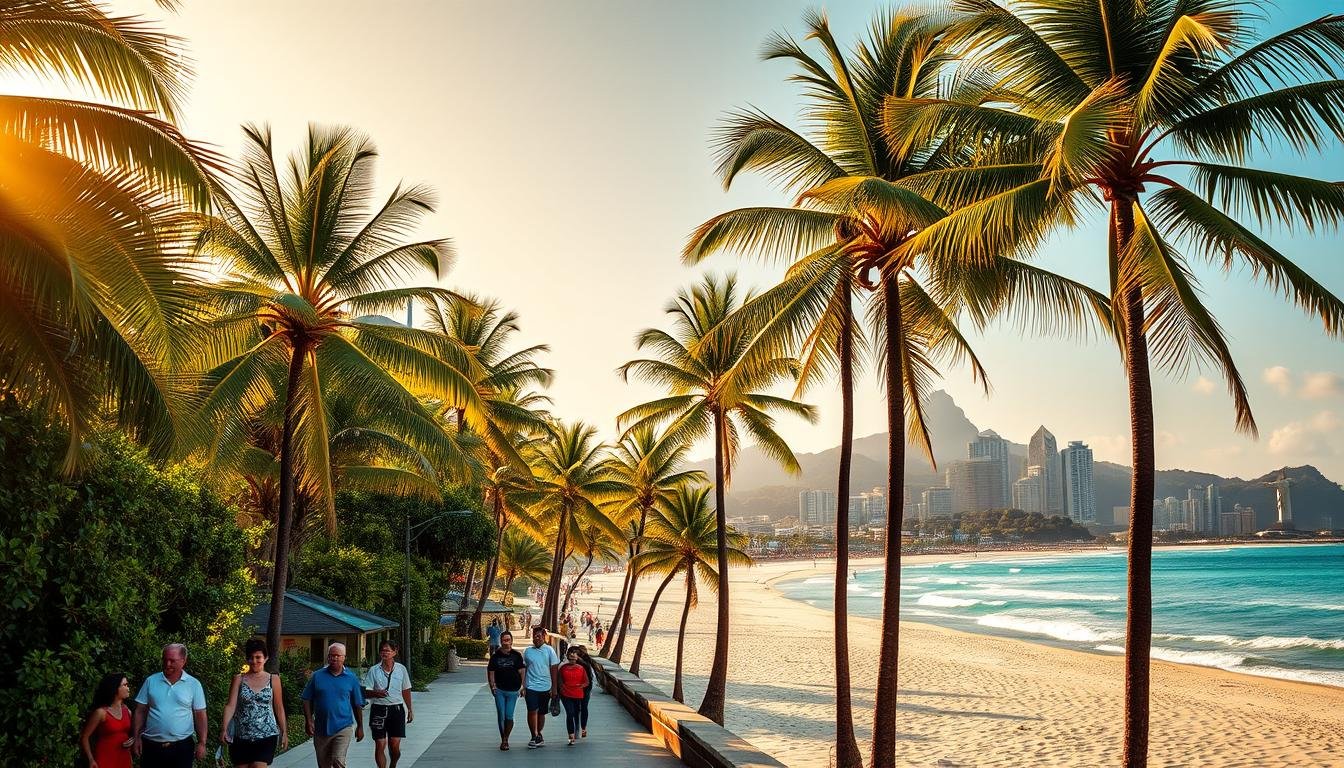
Everything You Need to Know When You Travel to Brazil
Travel to Brazil:Embarking on a trip to Brazil is an adventure like no other. As the world’s sixth-most populous country, Brazil is vast, with landscapes and cultures that are as diverse as they are vibrant.
With all the countries of the European Union fitting comfortably within its borders twice, Brazil is a destination that promises new discoveries with each visit. One of the biggest mistakes travelers make is trying to cram too many regions into their first travel itinerary.
This guide is designed to help you navigate the intricacies of travel to Brazil, from planning and safety to cultural insights and must-visit destinations, ensuring a smooth and enriching experience.
Planning Your Trip to Brazil
With its diverse regions and activities, planning a trip to Brazil can be a daunting task, but with the right guidance, it becomes manageable. Brazil can be as luxurious or budget-friendly as you make it, depending on your travel choices.
Best Time to Visit Brazil
The best time to visit Brazil largely depends on your preferences and the activities you have planned. Prices soar during high season (December to March) and Carnival (February), sometimes doubling compared to the rest of the year. If you’re looking for a more relaxed experience and lower prices, consider traveling during the shoulder season.
Understanding the seasonal variations will help you plan a more enjoyable and cost-effective trip.
How Much Time You Need
Determining how much time you need for your Brazilian adventure depends on how many destinations you want to visit and how deeply you want to explore them. With so much to see and do, it’s easy to get caught up in planning too much and ending up rushing from one place to another.
Prioritizing your must-see attractions and allowing for some flexibility in your itinerary can make for a more enjoyable travel experience.
Budgeting for Your Brazilian Adventure
Budgeting is a crucial part of planning your trip to Brazil. By securing international flights early, choosing the right time of year, and resisting the urge to jump between too many destinations, you can still have an unforgettable adventure that won’t drain your finances.
Breaking down the typical costs associated with travel in Brazil, from accommodation and transportation to food and activities, will help you build a realistic budget.
By being mindful of your spending and making informed choices, you can enjoy all that Brazil has to offer without breaking the bank.
Visa and Entry Requirements
Before packing your bags for Brazil, it’s essential to familiarize yourself with the country’s visa and entry regulations. Ensuring you comply with these requirements will help prevent any issues during your trip.
Tourist Visa Process
Applying for a Brazil eVisa is a straightforward process. You’ll need to visit the official government website, fill out the application form, and provide the required documentation, including a valid passport and proof of onward travel.
The processing time for a Brazil eVisa typically takes a few days, so it’s advisable to apply well in advance of your travel dates.
Passport and Documentation Needs
Your passport must be valid for at least six months beyond your intended stay in Brazil. It’s also recommended to have photocopies of your passport, visa, and travel insurance documents, leaving a copy with a trusted friend or family member back home.
Customs Regulations
When entering Brazil, you’ll need to declare certain items at customs. Duty-free allowances apply to items like alcohol, tobacco, and gifts, but there are restrictions on bringing in food, medications, and electronic equipment.
Understanding Brazil’s customs regulations will help you avoid any issues at the borders. It’s also crucial to be aware of the penalties for violating these regulations.
To ensure a smooth passage through customs, make sure you’re aware of what items are prohibited or restricted in Brazil, and always declare goods that exceed your duty-free allowance.
Health and Vaccination Requirements
Understanding the health and vaccination requirements is crucial for a smooth and enjoyable trip to Brazil. Brazil has specific health regulations that travelers must adhere to, including vaccinations and health insurance.
Required and Recommended Vaccines
When traveling to Brazil, it’s essential to be up-to-date on all routine vaccinations. The CDC recommends that travelers to Brazil be vaccinated against yellow fever, especially if they are visiting areas near the Amazon rainforest.

The yellow fever vaccine is particularly important for travelers visiting certain regions in Brazil, including the states of Acre, Amapá, Amazonas, Mato Grosso, Mato Grosso do Sul, Pará, Rondônia, Roraima, and Tocantins.
Health Insurance and Medical Care
Brazil has a well-developed healthcare system, with both public and private medical facilities available. However, it’s crucial to have health insurance that covers you internationally.
Many private hospitals and clinics in major cities like São Paulo and Rio de Janeiro offer high-quality medical care. Still, the quality of medical care can vary significantly in more remote areas.
COVID-19 Considerations
COVID-19 testing is widely available in Brazil, with various testing options, including PCR, serology-based antibody tests, and antigen tests. The cost of testing varies between $20 and $100, depending on the location and type of test.
Travelers should be aware of the current COVID-19 protocols and requirements for entry and exit, including testing requirements and quarantine regulations.
By taking the necessary health precautions and staying informed, you can minimize risks and have a safe and enjoyable trip to Brazil.
Safety Tips When You Travel to Brazil
Traveling to Brazil can be an exhilarating experience, but it’s crucial to be aware of the safety tips to ensure a smooth journey. As you explore this vibrant country, understanding the local environment and taking necessary precautions can significantly enhance your travel experience.
Understanding High-Risk Areas
Brazil is a vast and diverse country, with some areas being safer than others. Major cities like Rio de Janeiro have areas that are considered high-risk due to higher crime rates. It’s essential to research your destinations and stay informed about local conditions to avoid these areas.
When visiting large cities, be aware of your surroundings, especially in crowded places and tourist hotspots. Keeping valuables secure and being mindful of your belongings can help prevent common crimes like pickpocketing and theft.
Avoiding Common Scams and Theft
As with any popular tourist destination, there are people who try to take advantage of unsuspecting visitors. Being aware of common scams and taking steps to protect yourself can save you from potential trouble. Always use reputable taxi services or ride-sharing apps, and be cautious when dealing with strangers who approach you with unsolicited offers or assistance.
To minimize the risk of theft, keep your hotel room door locked, use the hotel safe for valuable items, and avoid carrying large amounts of cash. Using ATMs located in secure areas and covering the keypad when entering your PIN can also help protect your financial information.
Emergency Contacts and Services
In case of an emergency, it’s vital to know the contact information for local services. For emergency services in Brazil, you can dial 192. However, it’s worth noting that ambulance services are not always reliable or available throughout the country, except in state capitals and larger cities.
Before you travel, make sure to register with your country’s embassy or consulate in Brazil. This registration can provide you with important safety and security updates about your destination. In the event of a serious emergency, having this contact information readily available can be invaluable.
- Dial 192 for emergency services
- Contact your country’s embassy or consulate for assistance
- Keep important phone numbers handy
Transportation Options Across Brazil
Navigating Brazil’s diverse regions requires an understanding of the various transportation options available. Brazil is a vast country, and traveling across its different regions can be challenging without the right information.
Domestic Flights
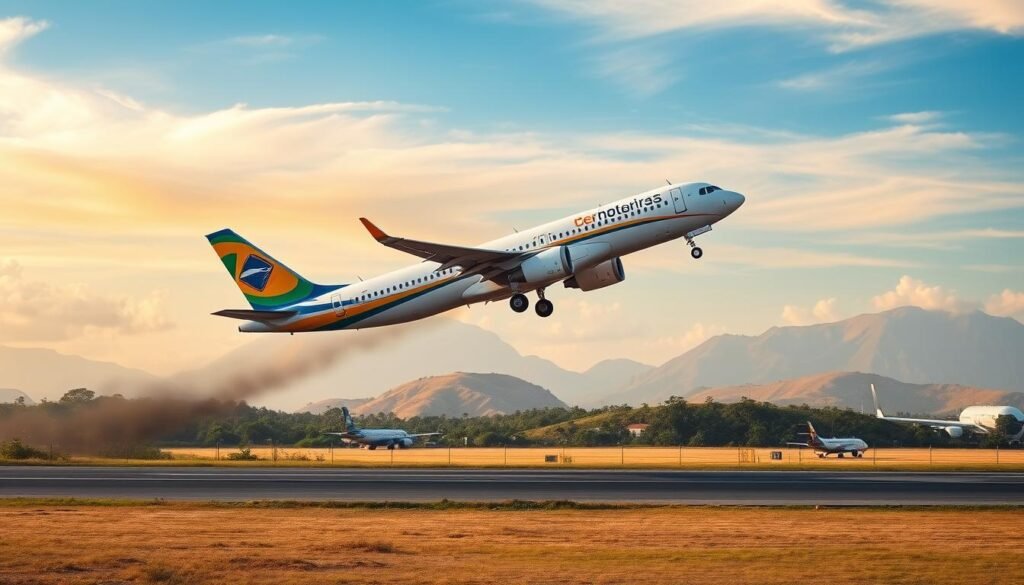
Domestic flights are a convenient way to travel long distances in Brazil. With numerous airlines operating within the country, such as LATAM and Gol, travelers can easily book flights to major cities like Rio de Janeiro, São Paulo, and Brasilia. Domestic flights offer a quick way to cover large distances, making them an ideal choice for those short on time.
Public Transportation in Major Cities
Brazil’s major cities have well-developed public transportation systems. In cities like São Paulo and Rio de Janeiro, metro lines and buses provide efficient ways to get around. The metro systems are modern and reliable, with clear signage in Portuguese and sometimes English. Bus networks are extensive, covering most areas of the cities.
Taxis and Ridesharing Services
When it comes to taxis and ridesharing services, safety should be a top priority. Registered taxis are identifiable and have a taxi meter to determine the legal fare. In Brasilia, most registered taxis are white with a green sign on the doors, while in Rio de Janeiro, they are typically yellow with a blue stripe. It’s advisable to use officially marked taxis and to arrange pickups with your hotel before arrival when traveling by air. Ridesharing apps like Uber and 99Taxis are also popular and can be more convenient than traditional taxis.
To ensure a smooth journey, it’s also a good idea to have your destination written down in Portuguese to show to the driver, as not all taxi drivers speak English.
Accommodation Choices
When traveling to Brazil, one of the most crucial decisions you’ll make is where to stay. With a wide range of options available, from luxury hotels to budget-friendly hostels, it’s essential to research and choose accommodations that fit your needs and budget.
Hotels and Resorts
Brazil is home to some of the world’s most luxurious hotels and resorts, particularly in Rio de Janeiro. These establishments offer top-notch amenities, including fine dining, spas, and stunning views. When looking for the best hotels in Brazil, consider factors like location, service quality, and available amenities.
Budget-Friendly Options
For travelers on a tighter budget, Brazil offers a variety of affordable accommodations, including hostels and guesthouses. These options are not only budget-friendly but also provide opportunities to meet fellow travelers. Look for places in safe, central neighborhoods to make the most of your stay.
Areas to Avoid
It’s crucial to be aware of areas to avoid when choosing accommodations in Brazilian cities, especially in Rio de Janeiro. Vulnerable neighborhoods, known as “favelas” or “comunidades,” are characterized by informal housing developments, crowded quarters, and limited access to emergency services. Avoid renting accommodations in these areas due to the prevalence of gang-related violence and organized crime.
To ensure a safe and enjoyable stay, research the neighborhood before booking. Look for red flags in accommodation listings, such as mentions of nearby crime or poor conditions. Understanding the boundary areas between tourist-friendly zones and less secure neighborhoods can also help you make an informed decision.
If you accidentally book accommodation in an unsuitable area, it’s essential to relocate safely. Research safe transportation options, and consider contacting your hotel or accommodation provider for advice. Staying informed and taking necessary precautions can significantly enhance your travel experience in Brazil.
Must-Visit Destinations in Brazil
With its vast array of ecosystems and attractions, Brazil is a destination that promises an unforgettable experience. From the iconic beaches to the vast Amazon Rainforest, there’s no shortage of exciting places to explore.
Rio de Janeiro Highlights
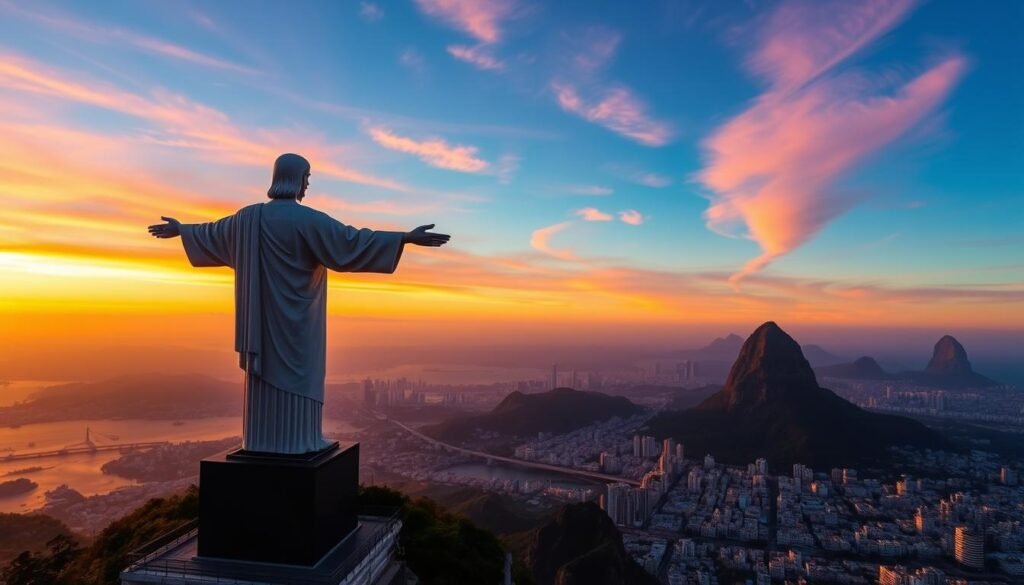
Rio de Janeiro, one of Brazil’s most iconic cities, is known for its vibrant culture, stunning beaches, and breathtaking landscapes. Visitors can explore the famous Christ the Redeemer statue, take in the views from Sugarloaf Mountain, or enjoy the city’s renowned beaches like Copacabana and Ipanema.
Amazon Rainforest Adventures
The Amazon Rainforest, spanning across several Brazilian states, is a haven for nature lovers and adventure seekers. Visitors can explore the lush canopy, spot exotic wildlife, and experience the rich cultural heritage of indigenous communities. Activities range from guided jungle treks to staying in eco-lodges, offering a truly immersive experience.
Beaches and Coastal Regions
Brazil’s coastline is dotted with some of the world’s most beautiful beaches and coastal regions. Places like Ilha Grande and Fernando de Noronha offer secluded shores and crystal-clear waters perfect for snorkeling and diving. The coastal towns are also rich in history and culture, with colonial architecture and vibrant local cuisine.
Whether you’re drawn to the urban excitement of Rio, the natural wonders of the Amazon, or the serene beauty of Brazil’s beaches, the country has something to offer every traveler. By exploring these must-visit destinations, you’ll experience the full spectrum of Brazilian culture and natural beauty.
Brazilian Culture and Etiquette
Brazilian culture is a kaleidoscope of influences, and navigating its complexities with respect for local etiquette can make your trip truly unforgettable. As you explore this vast and vibrant destination, understanding the nuances of Brazilian customs will not only enhance your experience but also foster meaningful connections with the locals.
Language Basics
While many Brazilians in the tourism industry speak English, learning basic Portuguese phrases like “obrigado/obrigada” (thank you) and “desculpe” (excuse me) can go a long way in showing respect for the culture. It’s also worth noting that Brazilian Portuguese has its own unique expressions and dialects, which can vary significantly from place to place.
Social Customs
Brazilians are known for their warm hospitality, and social interactions often involve physical touch and expressive gestures. When greeting, a kiss on the cheek is common, and using formal titles like “Senhor” or “Senhora” followed by the person’s surname is a sign of respect. Understanding these social customs can help you navigate various social situations, from dining with locals to attending cultural events.
“The Brazilian culture is known for its warmth and hospitality, and as a visitor, being respectful of local customs can significantly enhance your experience.”
Respecting Local Traditions
When visiting religious sites or participating in cultural events, it’s essential to be mindful of local traditions. For instance, dressing modestly and removing your shoes when required are signs of respect. Additionally, being aware of cultural sensitivities around photography, especially in indigenous communities or sacred places, is crucial. By being considerate of these practices, you can appreciate the rich cultural heritage of Brazil without unintentionally causing offense.
As you travel across this vast destination, from the iconic cities to the remote places, embracing the diversity of Brazilian culture will enrich your journey. Whether you’re exploring the vibrant streets of Rio or the serene landscapes of the Amazon, understanding and respecting local etiquette will make your experience even more memorable.
Brazilian Cuisine: What to Try
The flavors of Brazil are as diverse as its landscapes, offering a culinary journey like no other. Brazilian cuisine is a rich tapestry woven from indigenous, African, and European influences. When you travel to Brazil, you are not just visiting a destination; you are experiencing a vibrant culture that is deeply rooted in its food.
Traditional Brazilian Dishes
Brazilian cuisine boasts a variety of mouth-watering dishes that are sure to tantalize your taste buds. One of the most famous is churrasco, a style of barbecue that originated from the country’s southern gaucho culture. You can’t miss trying pão de queijo, delicious cheese bread rolls that are crispy on the outside and soft on the inside. Another must-try is feijoada, a hearty stew made with black beans and various meats.

Regional Specialties
Brazil’s vast geography has given rise to a multitude of regional specialties. In the north, you might enjoy moqueca, a fragrant fish stew cooked in coconut milk. The northeast is known for its acarajé, crispy fried dough filled with shrimp or peanut sauce. Each region offers a unique flavor profile that reflects its local ingredients and cultural heritage.
Dining Etiquette
Understanding Brazilian dining etiquette can enhance your culinary experience. Meals are often seen as opportunities to socialize, so be prepared to linger over your food and conversation. Tipping is customary, typically around 10% of the bill. In many restaurants, you’ll find a variety of service styles, from comida por quilo (pay-by-weight buffets) to churrascarias (barbecue restaurants).
When dining, it’s polite to wait for the host to start eating before you begin. Also, be mindful of your dietary preferences and restrictions, as communicating these clearly can help ensure a pleasant dining experience.
Money Matters in Brazil
Brazil’s financial scene can be complex, but with the right information, you can navigate it with ease. Understanding the local currency, how to manage your money, and tipping customs will make your trip more enjoyable.
Currency and Exchange Tips
The official currency of Brazil is the Real (BRL). You can exchange your money upon arrival at airports or currency exchange offices. It’s also advisable to have some local currency for when you arrive. ATMs are widely available, but be cautious of potential fees and security issues.
Exchange Rates: Keep an eye on exchange rates to get the best deal. Some hotels and currency exchange offices may offer less favorable rates.
| Currency | Symbol | Exchange Rate (approx.) |
|---|---|---|
| US Dollar | $ | 1 USD = 5 BRL |
| British Pound | £ | 1 GBP = 6.5 BRL |
| Euro | € | 1 EUR = 5.5 BRL |
Credit Cards and ATMs
Credit cards are widely accepted in major cities, but be aware that credit card and ATM fraud can occur. Use ATMs located in secure areas, and always cover the keypad when entering your PIN.
Notifying your bank of your travel plans can prevent your card from being flagged for suspicious activity.
Tipping Customs
Tipping in Brazil varies by service industry. In restaurants, a service charge (serviço) is often included. If not, a tip of 10% is standard. For tour guides and taxi drivers, rounding up the fare or leaving a small tip is appreciated.
Having small bills available for tipping is practical, and expressing gratitude beyond monetary tips, such as with a smile or a thank you, is also valued.

Weather and What to Pack
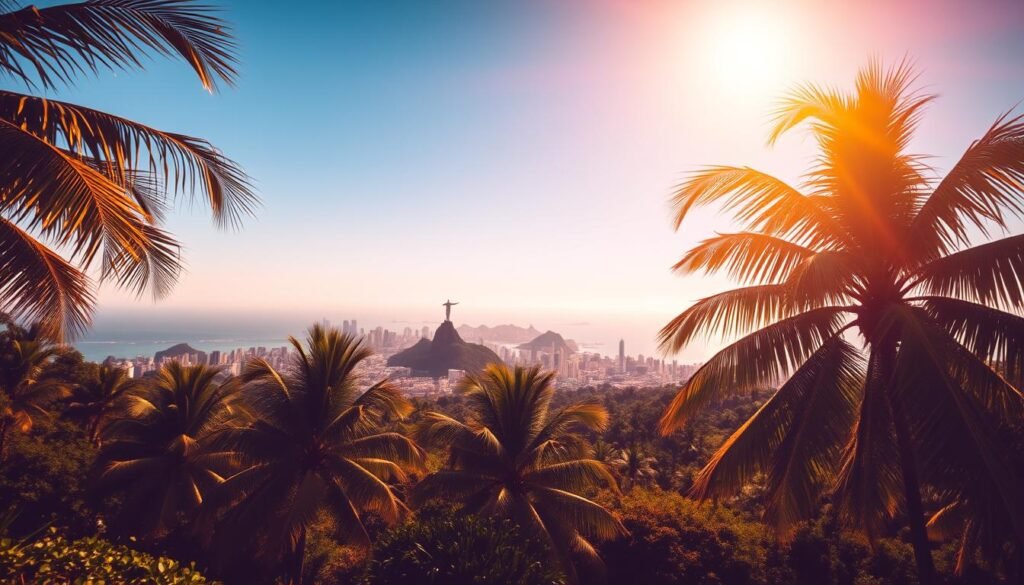
From the Amazon Rainforest to the beaches of Rio, Brazil’s climate varies greatly, impacting what you should pack. Brazil’s vast and varied landscapes mean that the weather can differ significantly from one region to another, making it essential to pack accordingly.
Regional Climate Variations
Brazil encompasses a wide range of climates, from the tropical Amazon Rainforest to the temperate regions of the south. The Amazon region is generally hot and humid throughout the year, while the southern states experience more temperate conditions, with cooler winters.
The northeastern region, known for its beaches and vibrant culture, has a tropical climate with a distinct wet and dry season. Meanwhile, the central and southern parts of Brazil can be quite cool during the winter months (June to September), requiring warmer clothing.
Seasonal Packing Lists
When traveling to Brazil, it’s crucial to consider the time of year and the region you’re visiting. For the summer months (December to March), pack light, breathable clothing, sunscreen, and a hat to protect against the sun.
In the winter months (June to September), if you’re heading to the south, include warmer layers in your luggage. Regardless of the season, comfortable walking shoes are a must, as is a light rain jacket or umbrella, as sudden rain showers are common.
Essential Items
Some items are essential for any trip to Brazil, regardless of the season or your destination. These include:
- Travel documents (passport, visa if required, travel insurance)
- Medications and a first-aid kit
- Sunscreen and insect repellent
- Comfortable clothing and shoes
- An air quality mask if you’re sensitive to pollution
It’s also wise to consider what can be purchased in Brazil versus what you should bring from home. While many essentials are available, certain personal or specific items might be harder to find or more expensive.
Experiencing Brazilian Festivals
Immerse yourself in the vibrant culture of Brazil by attending one of its many festivals. Brazilian festivals are a true reflection of the country’s energy and passion for life.
Carnival: Beyond the Parade
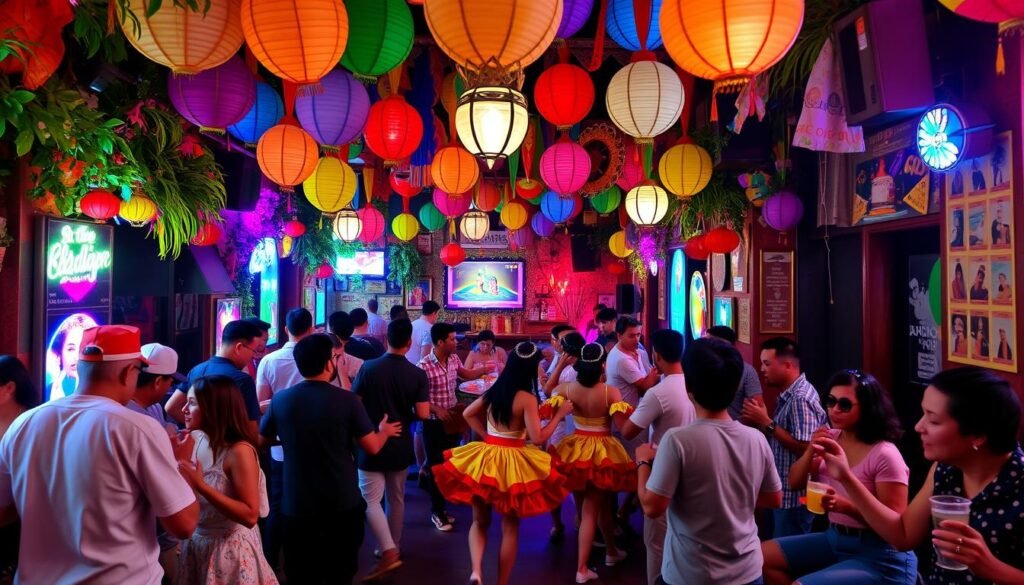
The Brazilian Carnival is world-renowned for its spectacular parades, but there’s more to it than just the Sambadrome performances. Visit a historic samba bar in Rio’s Lapa neighborhood to experience the hypnotic beats of tambourines, cuícas, and chocalhos. You can also take a tour of the Grande Rio Samba School to witness the meticulous process of creating a parade, from designing elaborate allegories to crafting stunning costumes.
Other Major Celebrations
Brazil has many other significant festivals throughout the year, such as Festa do Divino Espírito Santo and Festa do Peão de Boiadeiro. These events showcase the country’s diverse cultural heritage and offer a unique experience for visitors.
Festival Safety Tips
When attending Brazilian festivals, it’s essential to be mindful of your surroundings and take necessary precautions to ensure your safety. Be aware of your belongings, stay hydrated, and manage your alcohol consumption. Knowing when to step away from overwhelming situations can also help you enjoy the festivals securely and comfortably.
When surrounded by large crowds, be cautious of pickpocketing and petty theft. Be respectful of local people and customs, and avoid taking unnecessary risks. By being aware of your surroundings and taking the necessary precautions, you can have a safe and enjoyable experience at Brazilian festivals.
Outdoor Adventures and Activities
With its vast and varied geography, Brazil provides endless opportunities for outdoor enthusiasts to explore and experience its natural beauty. From hiking and nature experiences to water sports and wildlife encounters, Brazil is a destination that caters to all kinds of outdoor adventures.
Hiking and Nature Experiences
Brazil offers numerous hiking trails and nature experiences across its diverse ecosystems. The Amazon rainforest, for instance, is a haven for hikers and nature lovers, with its lush vegetation and exotic wildlife. Visitors can explore the forest through guided tours, such as those offered at the Caiman Lodge in the Pantanal, where guests can track jaguars and experience the rich biodiversity of the region.
Water Sports and Beach Activities
Brazil’s extensive coastline offers a wide range of water sports and beach activities. From surfing and paddleboarding to snorkeling and scuba diving, there’s something for every water sports enthusiast. Popular destinations like Rio de Janeiro and the Northeast region are known for their vibrant beach culture and consistent waves.
Wildlife Encounters
Brazil is renowned for its incredible wildlife viewing opportunities across different ecosystems. The Pantanal and Amazon regions are prime destinations for spotting a variety of species, including jaguars, toucans, and macaws. Visitors can participate in specialized wildlife tours, such as bird watching and jaguar tracking, to experience the country’s rich biodiversity. When engaging in wildlife encounters, it’s essential to choose ethical operators that prioritize animal welfare and conservation.
For the best wildlife experiences, consider visiting during the dry season when animals congregate around water sources, making them easier to spot. Additionally, bringing a good camera with a telephoto lens can help capture memorable moments without disturbing the animals.
Communication and Connectivity
When traveling to Brazil, understanding your communication and connectivity options is crucial. Staying in touch with family and friends, as well as being able to navigate and access important services, can significantly enhance your travel experience.
Phone and Internet Options
Brazil offers various phone and internet options for travelers. One of the most convenient ways to stay connected is by purchasing a local SIM card. Many providers, such as Vivo, Claro, and TIM, offer prepaid SIM cards that can be used for data, calls, and texts.
To buy a SIM card, you’ll typically need to present your passport and proof of address. Some providers may also require registration through their app or website. Once you have a SIM card, you can easily access the internet, make calls, and send messages.

Useful Apps for Brazil Travel
Several apps can make your travel experience in Brazil more enjoyable and convenient. Google Maps is essential for navigation, while apps like Uber and 99Taxis can help you get around cities. For language translation, Google Translate can be very useful, especially when communicating with locals.
Other helpful apps include iFood for food delivery, Busão for bus routes, and various tourist information apps that provide insights into local attractions and events.
Emergency Phrases
While many Brazilians speak some English, especially in tourist areas, learning a few key phrases in Portuguese can go a long way. In emergency situations, being able to communicate effectively is crucial.
Some essential phrases include “Socorro!” (Help!), “Chame uma ambulância, por favor” (Call an ambulance, please), and “Onde fica o hospital mais próximo?” (Where is the nearest hospital?). Practicing these phrases before your trip can help you feel more confident in case of an emergency.
Additionally, carrying a phrasebook or using a translation app can help bridge any language gaps.
Responsible Tourism in Brazil
Brazil’s diverse ecosystems and vibrant communities require a thoughtful approach to tourism, one that prioritizes respect and sustainability. As visitors, we have the power to make a positive impact on the places we visit, and Brazil is no exception.
Environmental Considerations
When traveling to Brazil, it’s essential to be aware of your environmental footprint. The country’s vast rainforests, fragile ecosystems, and rich biodiversity demand our respect. Simple actions, such as reducing plastic use, conserving water, and respecting protected areas, can make a significant difference. Consider choosing tour operators that adhere to sustainable tourism practices and support conservation efforts.
Supporting Local Communities
Vulnerable neighborhoods, known as “favelas” or “comunidades,” are characterized by informal housing developments and crowded conditions. When visiting these areas, it’s crucial to be respectful and considerate. Supporting local businesses and communities can help ensure that your visit has a positive impact. Be cautious when participating in tours that involve these communities, and choose operators that prioritize fair compensation and community benefits.
Cultural Sensitivity
Brazil is a country with a rich cultural heritage, and being culturally sensitive is vital when interacting with local communities. This includes being mindful of photography practices, respecting local customs, and avoiding behaviors that could be perceived as intrusive or disrespectful. By being an ambassador for responsible tourism, you can help foster greater understanding and appreciation between cultures.
Final Tips for an Unforgettable Brazilian Experience
With a newfound appreciation for Brazil’s diverse heritage, I’m eager to share final tips for an unforgettable experience. As you prepare for your trip to this vibrant country, remember that the essence of Brazil lies not just in its breathtaking landscapes, but also in its warm and welcoming people.
When traveling through Brazil, be mindful of the air quality, especially in areas with informal housing developments. Take necessary precautions and stay informed about local conditions to ensure a smooth journey. Additionally, be aware of borders and warnings issued by your government or local authorities, as they can impact your tour plans.
To make the most of your time in Brazil, consider exploring beyond the popular destinations. Places like Chapada Diamantina and the Serra da Capivara offer unique hiking experiences, while the Amazon rainforest and Fernando de Noronha archipelago are perfect for nature lovers and adventure seekers.
Capturing your experiences through photography and journaling can be a great way to reflect on your journey. However, it’s also important to be present in the moment and soak in the beauty around you. By striking a balance, you’ll be able to cherish the memories of your trip for years to come.
As you plan your next trip to Brazil, keep in mind the various travel options and tour operators available. Researching and choosing reputable services can greatly enhance your experience. With these tips in mind, you’re ready to embark on an unforgettable adventure in Brazil, making the most of your time in this incredible country.