Experience the Magic of Morocco: Travel Tips
Travel to Morocco is a vibrant country that offers a unique blend of cultures, landscapes, and experiences, making it an ideal destination for travelers seeking adventure and relaxation.
Located just a short flight from the UK, Morocco provides an accessible exotic experience without significant jet lag. From bustling medinas to serene mountain retreats and coastal escapes, the country presents a full spectrum of real life experiences.
While first-time visitors may encounter culture shock, proper preparation and an open mind can make travel to Morocco a transformative experience. This comprehensive guide will walk you through everything you need to know before embarking on your adventure in this captivating country.
Planning Your Trip to Morocco
Embarking on a journey to Morocco requires some planning to make the most of your trip. Understanding the best time to visit, visa requirements, and creating a flexible itinerary are key elements to consider.
Best Time to Visit Morocco
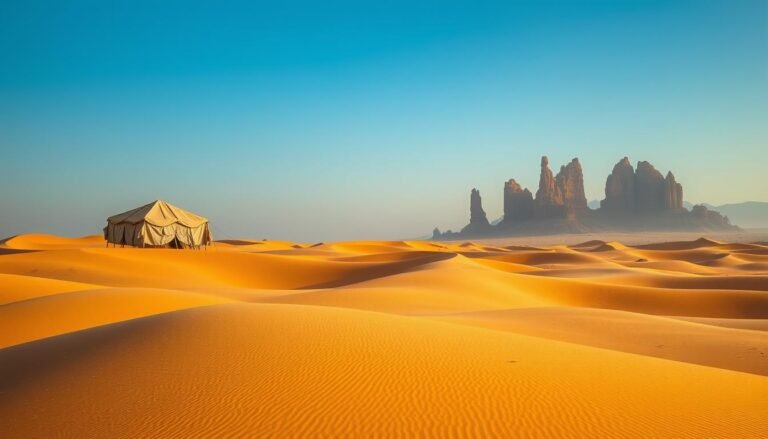
Morocco’s climate varies significantly across different regions. The spring (March to May) and fall (September to November) are considered the best times to visit, offering mild temperatures ideal for both city exploration and desert adventures. In contrast, summers can be extremely hot, especially in inland cities like Marrakesh, while winters bring cooler temperatures and potential snow in the Atlas Mountains.
| Season | Weather | Ideal For |
|---|---|---|
| Spring (March to May) | Mild temperatures | City exploration, desert adventures |
| Summer (June to August) | Extremely hot | Coastal areas like Essaouira |
| Fall (September to November) | Mild temperatures | City exploration, desert adventures |
| Winter (December to February) | Cooler temperatures, potential snow | Atlas Mountains |
Visa Requirements and Entry Information
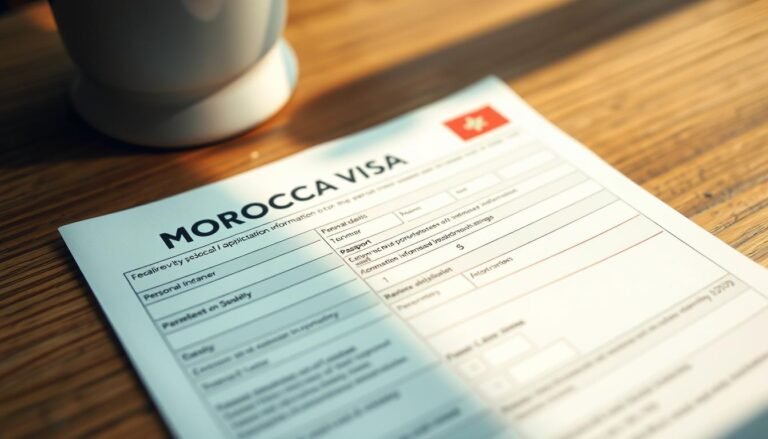
Understanding visa requirements is essential before your trip. According to the Foreign Office, British passport holders do not need a visa to enter Morocco for tourism for up to 90 days. To stay longer, you need to request an extension at a local police station. Ensure your passport is valid for at least three months after entry and is not damaged to avoid entry refusal. It’s also crucial to get your passport stamped on arrival to avoid difficulties when leaving.
Creating a Flexible Itinerary
When planning your trip, it’s advisable to keep your itinerary flexible and avoid overscheduling. Morocco is a country that rewards spontaneity and the ability to linger in places that capture your interest. Research your destinations but leave room for unexpected discoveries and recommendations from locals or fellow travelers.
Essential Travel to Morocco Safety Tips

As you plan your trip to Morocco, it’s essential to familiarize yourself with the essential safety tips and advisories. Morocco is generally considered safe for tourists, but staying informed about current travel advisories and regional developments is crucial for a smooth journey.
Current Travel Advisories
The UK Foreign Office currently does not advise against travel to any part of Morocco. However, it’s noted that terrorists are “very likely” to attempt attacks, particularly in crowded areas, government buildings, and tourist hotspots. Staying aware of your surroundings and keeping up-to-date with local guidance can help you stay safe.
Common Safety Concerns for Tourists
Common safety concerns for tourists in Morocco include petty theft such as pickpocketing and bag snatching, scams targeting tourists, and occasional reports of more serious crimes in isolated areas. Being mindful of your belongings, especially in crowded markets and transportation hubs, can minimize the risk of these crimes.
Tips for Solo and Female Travelers
Female travelers, especially those traveling solo, should be prepared for unwanted attention in some areas. Dressing modestly and projecting confidence can help minimize harassment. If you encounter persistent harassment, firmly saying “no” or shouting “Police!” can be effective deterrents, as many tourist areas have undercover police officers providing guidance.
By understanding the current safety situation and taking necessary precautions, you can have a safe and enjoyable trip to Morocco. It’s also advisable to avoid displaying expensive items, carrying large amounts of cash, and wandering through quiet areas after dark, particularly in major cities like Marrakesh and Casablanca.
Navigating Moroccan Culture and Customs
Understanding the intricacies of Moroccan culture is essential for a meaningful travel experience. Morocco’s rich cultural heritage is deeply influenced by Islam, and being respectful of local customs can greatly enhance your journey.

Language Essentials and Communication Tips
Language in Morocco is diverse, with Arabic and French being the most widely spoken. Learning basic Arabic phrases like “shukran” (thank you) can significantly improve your interactions with locals and show respect for their way of life. Visitors will appreciate the effort to communicate in the local language.
Dress Code and Respectful Behavior
Dressing modestly is crucial, especially in cities and religious sites, to avoid unwanted attention. Visitors should cover their shoulders and knees as a sign of respect. In contrast, beach resorts allow for more casual attire, giving you the flexibility to adapt your dress code to the local environment.
Religious Considerations
Morocco is an Islamic country, and religion plays a significant role in daily life. Non-Muslims are generally not permitted to enter mosques or cemeteries, except for the Hassan II Mosque in Casablanca. Being mindful of religious practices, especially during Ramadan, is crucial to showing respect for the local culture.
Haggling in the Souks
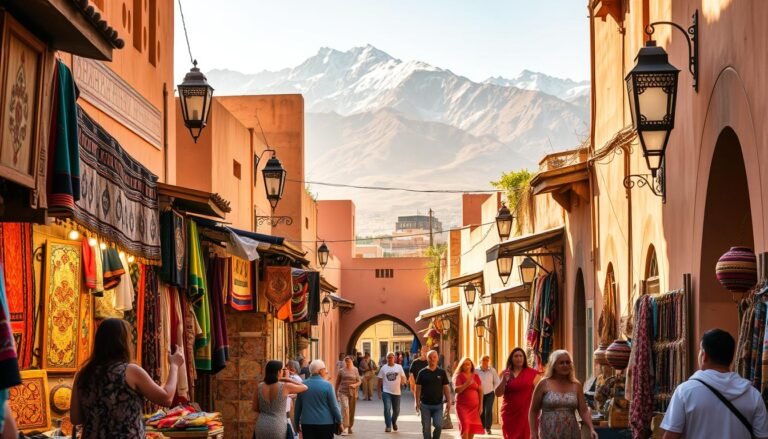
Haggling is an expected part of the shopping experience in Moroccan souks. Approaching it as a friendly game rather than a confrontation can lead to a more enjoyable experience for both you and the vendor. Being prepared to walk away if you can’t reach a fair price is key to successful haggling.
By understanding and respecting these cultural norms, visitors can have a more authentic and enjoyable experience in Morocco. It’s about being mindful of the things that matter to the local community and adapting your behavior accordingly. This not only enhances your travel experience but also fosters positive interactions with the people you meet along the way.
Getting Around Morocco
Morocco’s diverse transportation network makes it easy to explore the country. With a range of options available, you can travel comfortably and efficiently between cities and areas.
Public Transportation Options
Morocco boasts an excellent train network that links many major cities, including the high-speed Al Boraq train between Casablanca and Tangier. The train network is particularly good for travel between cities like Casablanca, Rabat, Fez, and Marrakesh. In addition to trains, a comfortable and reliable bus network connects towns big and small. In cities, you can use petit taxis for short distances and grand taxis for longer journeys, with fares typically requiring cash payment.

Driving in Morocco: What to Expect
When driving in Morocco, be aware that traffic rules are often treated as suggestions, especially in busy city centers where streets can be narrow and crowded. You drive on the right side of the road, and seatbelts are mandatory. Car horns are used frequently as a means of communication. Watch out for people, bicycles, motorcycles, and animals coming from all sides. It’s advisable to avoid driving at night. If you’re stopped by the police for speeding or other penalties, paying fines in cash is preferable to going to a local police station.
Hiring Local Guides and Tours
For exploring medinas (old city centers) and remote areas, hiring local guides can enhance your experience by providing cultural context and helping navigate complex street layouts. Additionally, apps like Careem work in some cities for ride-hailing, offering a convenient alternative to negotiating with taxi drivers.
Must-Visit Destinations in Morocco
From the bustling streets of Marrakesh to the tranquil beauty of the Atlas Mountains, Morocco has something for every traveler.
Marrakesh: The Red City
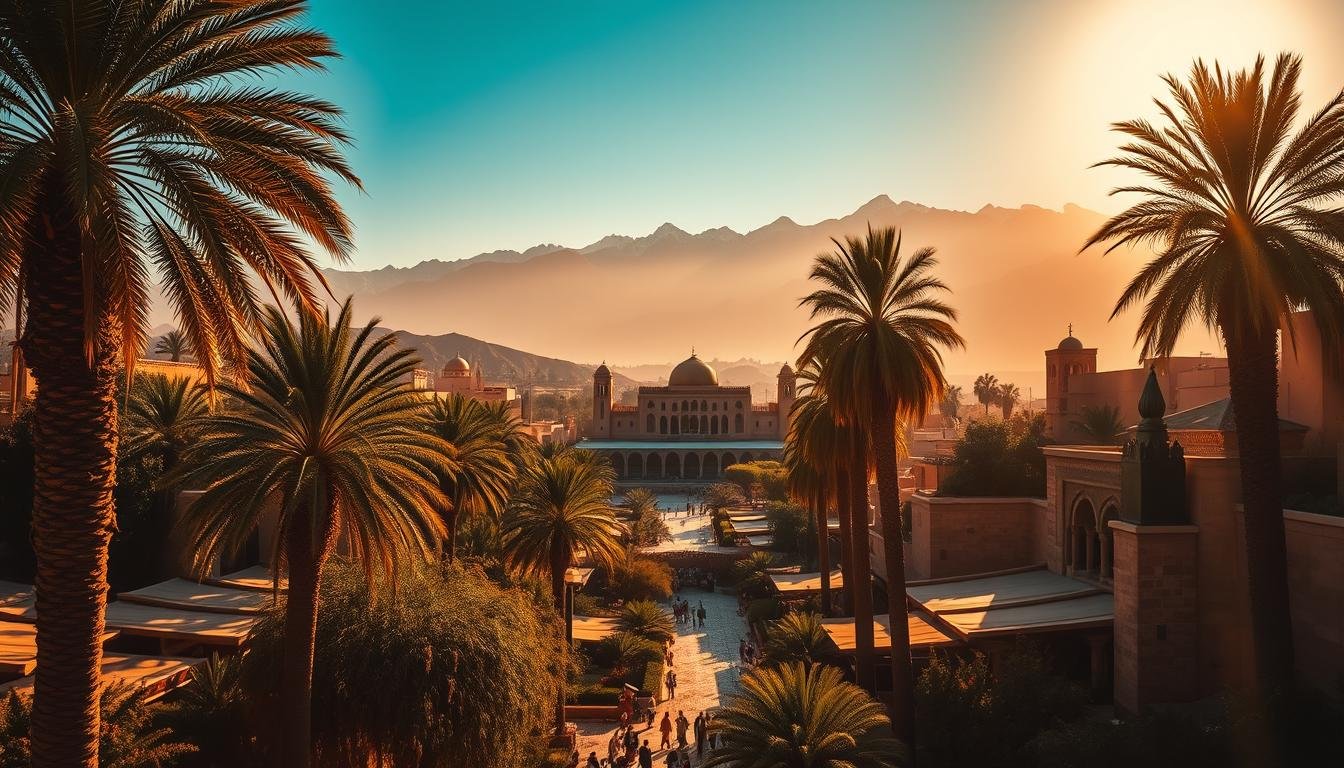
Marrakesh stands as Morocco’s most visited city, famous for its vibrant red buildings and the bustling Djemaa el-Fna main square that transforms from a daytime market to an evening food and entertainment hub.
Coastal Escapes: Essaouira and Casablanca
Coastal cities provide refreshing alternatives to inland destinations – Essaouira charms visitors with its blue-and-white medina and fresh seafood, while Casablanca offers cosmopolitan energy and the magnificent Hassan II Mosque.
Atlas Mountains Adventures
The Atlas Mountains present some of Morocco’s most spectacular landscapes, with opportunities for hiking, visiting traditional Berber villages, and even skiing in winter at Oukaïmeden.
Exploring Ancient Medinas: Fez and Beyond
Fez houses the world’s largest car-free urban area in its ancient medina, where thousands of narrow streets and alleys contain workshops practicing crafts unchanged for centuries.
Practical Tips for an Unforgettable Moroccan Experience
To truly experience the magic of Morocco, it’s essential to be prepared for the cultural nuances and practical challenges that come with traveling in this captivating country.
When traveling in Morocco, keep in mind that some public restrooms may lack toilet paper and soap. It’s a good idea to always carry tissues and hand sanitizer. Additionally, staying hydrated is crucial, but be sure to avoid tap water; instead, opt for bottled or filtered water to reduce plastic waste during your Morocco travel.
Being mindful of your surroundings and having a mix of payment options can also enhance your experience. Consider hiring licensed guides for specific activities to gain valuable cultural insights. By being prepared and embracing the adventure, you’ll be able to fully enjoy your visit to Morocco.