How Much Does an African Safari Cost? A Complete Price Guide
Trip to Africa Cost/ Embarking on an African safari is a dream for many travelers, but understanding the true cost can be challenging with so many variables to consider.
You can expect to pay anywhere from $2,500 to $10,000 for a two-week safari experience, depending on the type of safari, accommodation, and activities you choose.
Planning a safari requires careful budgeting to ensure a memorable travel experience. This comprehensive guide will break down all the expenses associated with planning a safari, from flights and accommodations to activities and hidden costs.
Key Takeaways
- Understand the factors that affect the overall cost of an African safari.
- Learn how to budget for a safari based on your travel preferences.
- Discover the different budget ranges for African safaris, from affordable to luxury.
- Explore the various activities and experiences that contribute to the total cost.
- Get insights into making informed decisions about your wildlife destination travel.
Understanding the True Cost of an African Safari
Embarking on an African safari is a dream for many, but understanding the true cost can be a complex task. The cost of a safari tour can vary significantly depending on the type of tour and the length of the trip.
African safaris are known for offering a premium experience, with prices to match. The luxury and exclusivity associated with safaris contribute to their premium pricing.
What Makes African Safaris a Premium Experience
African safaris offer more than just a journey; they provide an immersive wildlife experience. The quality of accommodations, guides, and services all contribute to the overall cost. Budget safari tours are available from $150 to $350 per day per person, while mid-range options range from $350 to $700 per day per person. Luxury safaris, offering the highest level of accommodations and services, can cost between $700 and $2,000 per day per person.
Cost Factors That Impact Your Safari Budget
Several factors influence the cost of your safari. Seasonality plays a significant role, with peak season commanding premiums of 30-50% over shoulder or green seasons. The duration of your stay and group size also impact costs, with longer stays and private safaris generally costing more. The level of exclusivity in your chosen destinations and transportation methods between destinations further affect your budget.
Understanding these factors can help you plan your safari more effectively, allowing you to make informed decisions about your travel options and budget.
Breaking Down Your Trip to Africa Cost
To make the most of your African adventure, it’s crucial to have a clear understanding of the costs associated with your trip.
Budget Safari: $2,500-$5,000 Range
A budget safari is an excellent option for travelers looking to experience Africa without breaking the bank. For $2,500 to $5,000, you can expect basic yet comfortable accommodations and guided tours.
Budget safaris often include shared accommodations, group tours, and standard amenities. While the costs are lower, you can still expect a memorable experience with opportunities to witness Africa’s incredible wildlife.
Mid-Range Safari: $5,000-$10,000 Range
A mid-range safari offers a balance between affordability and luxury. For $5,000 to $10,000, you can enjoy upgraded accommodations, personalized service, and a more extensive range of activities.
Mid-range safaris typically include upgraded lodges, private guides, and a mix of group and private activities. You can expect a more immersive experience, with opportunities to explore Africa’s diverse landscapes and cultures.
Luxury Safari: $10,000+ Range
A luxury safari is the ultimate African experience, offering exceptional accommodations and personalized service. For $10,000 or more per person, you can expect:
- Luxury accommodations with premium amenities and spacious rooms.
- Private guides and vehicles tailored to your specific interests and pace.
- Gourmet dining with chef-prepared meals and fine wines.
- Seamless transportation with private air transfers and VIP airport assistance.
- Exclusive experiences like helicopter excursions or private sundowners.
Luxury safaris starting at $10,000+ per person deliver unparalleled experiences with a focus on comfort, personalized service, and unique activities.
Transportation Expenses: Getting There and Around
Getting to and around Africa can be a costly affair, but understanding your options can help manage your expenses. Transportation costs are a significant component of your overall safari budget.
International Flights to Africa
International flights to Africa can vary greatly in cost depending on your departure city, time of year, and how far in advance you book. For travelers from the US, flights to major African hubs like Johannesburg or Nairobi can range from $800 to $2,000 or more for a round-trip ticket. It’s essential to compare prices across different airlines and book in advance to secure the best deals.
Internal African Flights and Transfers
Once you arrive in Africa, internal flights and transfers are often necessary to reach your safari destination. These costs can add up, with prices ranging from $100 to $500 or more per flight, depending on the distance and airline. Some safari packages include these costs, so it’s crucial to check what’s included.
Ground Transportation Costs
Ground transportation costs vary widely based on your safari style. For budget-conscious travelers, shared transfers can be an affordable option, while luxury safaris often feature private vehicles with dedicated drivers. Safari vehicles themselves are a significant cost factor, with specialized 4x4s featuring pop-up roofs and enhanced suspension systems.
- Private transfers between airports, hotels, and safari camps typically range from $50-$200.
- Many safari packages include all ground transportation once you’ve arrived at your destination.
- For adventurous travelers, self-drive options in countries like South Africa and Namibia can reduce costs.
Understanding these costs upfront can help you plan your adventure more effectively and avoid unexpected expenses during your trip. By considering your options carefully, you can manage your costs and enjoy a memorable African safari experience.
Accommodation Options and Their Price Points
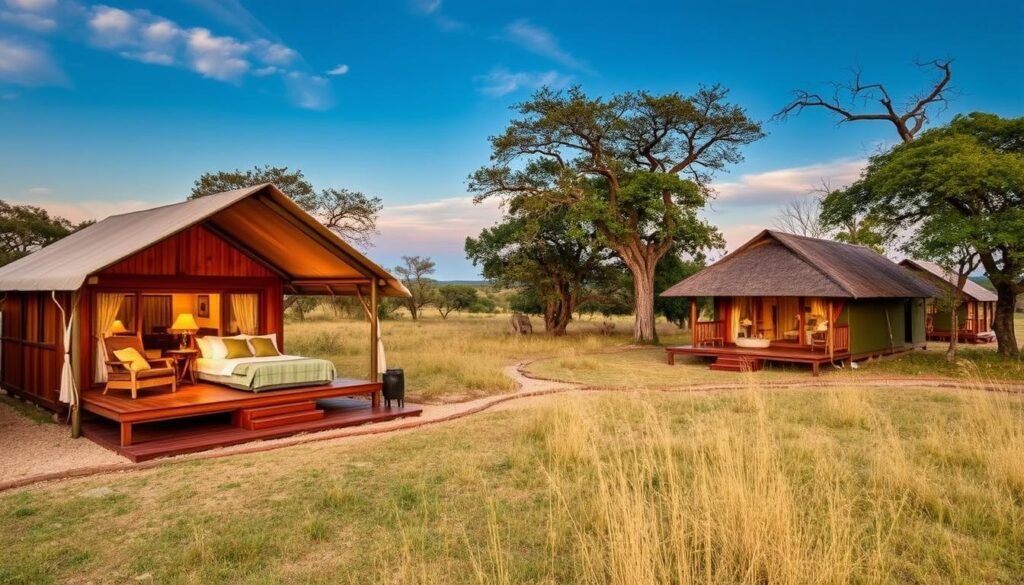
From budget-friendly camps to luxury lodges, Africa offers a diverse range of safari accommodations to suit every traveler’s needs. The accommodation options you choose can significantly impact your overall safari experience, with prices varying based on the level of luxury and services provided.
Budget Camps and Lodges ($100-$300 per night)
For travelers on a budget, camps and lodges in the $100-$300 per night range offer a more rustic yet authentic safari experience. These accommodations typically provide basic amenities and shared facilities, allowing you to connect with nature without breaking the bank.
Mid-Range Accommodations ($300-$700 per night)
Mid-range accommodations offer a balance between comfort and affordability, with prices between $300-$700 per night. These lodges and tented camps often provide upgraded amenities, including private bathrooms and guided tours, enhancing your overall safari experience.
Luxury Lodges and Private Reserves ($700-$2,000+ per night)
Luxury lodges and private reserves command premium prices, ranging from $700 to $2,000 or more per night, but deliver exceptional experiences. These high-end properties offer spacious accommodations, gourmet dining, and personalized service, often with all-inclusive packages covering meals, activities, and laundry service.
Many luxury lodges are located in exclusive private concessions, providing unparalleled wildlife viewing opportunities without the crowds. The design and amenities at these properties often rival those of five-star hotels, with features like private plunge pools and outdoor showers.
Safari Activities and Experiences: What You’ll Pay
The true essence of an African safari lies in its activities and experiences, which provide a unique blend of adventure, education, and relaxation. As you plan your trip, understanding the costs associated with these experiences will help you budget effectively.
Game Drives and Wildlife Viewing
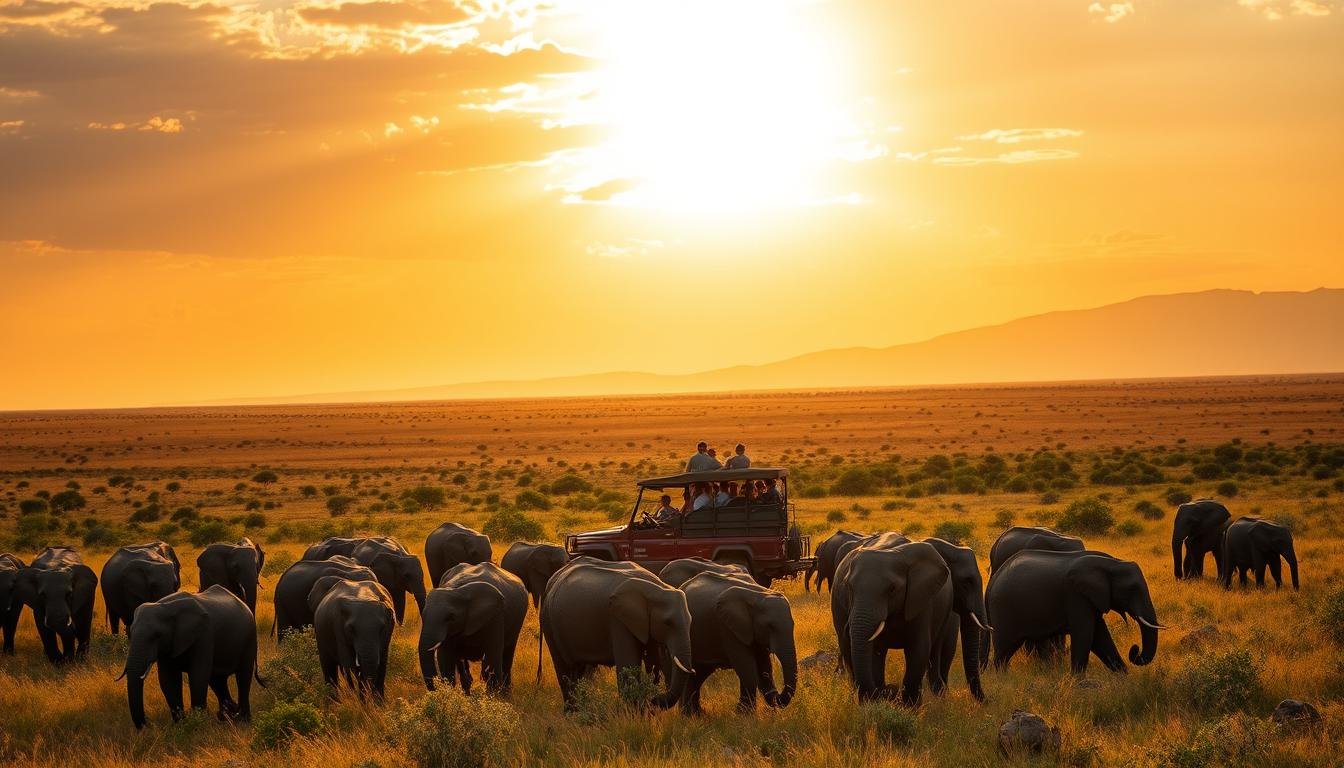
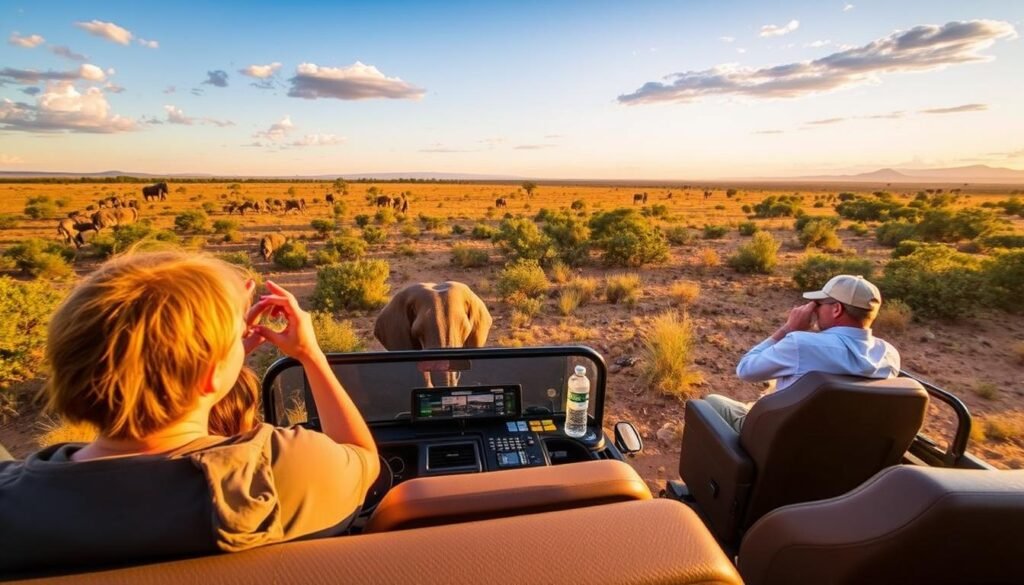
Game drives are a quintessential safari experience, offering thrilling encounters with Africa’s incredible wildlife. The cost of game drives varies depending on the safari operator and the type of vehicle used. Typically, game drives are included in the overall safari package, but some luxury safaris may charge extra for private or guided drives.
Specialized Experiences
For a more unique experience, consider specialized activities like gorilla trekking or hot air balloon rides. These activities often come at a premium but offer unforgettable moments. Gorilla trekking, for instance, can cost between $600 to $1,500 per person, depending on the location and permits.
Cultural Experiences and Village Visits
Engaging with local cultures is a valuable aspect of any African safari. Visiting villages and participating in cultural activities not only enriches your travel experience but also supports local communities. These experiences can range from $50 to $200 per person, depending on the activity and duration.
Photography Safaris and Private Guides
For photography enthusiasts, safari operators offer specialized photography safaris and private guides. These services can significantly enhance your photography experience, with costs ranging from 20-40% more than standard safari packages. Private guides can cost between $200 to $500 per day, providing personalized attention and expert knowledge.
Additional Costs to Consider
When planning your African safari, it’s essential to consider the various additional expenses that can impact your overall budget. Beyond the initial cost of your safari package, there are several other costs to factor in to ensure a smooth and enjoyable trip.
Visas and Entry Fees
Visas and entry fees are mandatory expenses for most African countries. The cost of a visa can vary significantly depending on your nationality and the country you’re visiting. For instance, some countries charge higher fees for single-entry visas, while others offer more affordable multi-entry options. Be sure to research the specific requirements for your destinations and budget accordingly. Entry fees for national parks and protected areas can also add up, with some popular reserves charging premium rates.
Vaccinations and Travel Insurance
Vaccinations and travel insurance are crucial components of your pre-trip preparations. Depending on your travel plans and health status, you may need to obtain specific vaccinations or medications, which can incur additional costs. Travel insurance, on the other hand, provides financial protection against unforeseen circumstances such as trip cancellations, medical emergencies, or evacuations. Research different insurance providers to find a policy that suits your needs and budget.
Tipping Guidelines
Tipping is a customary practice on African safaris, showing appreciation for your guides, drivers, and lodge staff. The standard tipping rate varies across countries and lodges, but a general guideline is to tip around $10-$20 per day for guides and drivers. For exceptional service, you may want to consider tipping more. It’s also a good idea to check with your tour operator for specific tipping guidelines, as some may include gratuities in their package rates.
Souvenirs and Personal Expenses
Souvenir shopping and personal expenses can significantly impact your daily costs. You can expect to find a wide range of authentic crafts, artwork, and mementos at various price points across safari destinations. Many lodges offer curated gift shops featuring local crafts and artwork, often at premium prices. Additionally, personal expenses like alcoholic beverages, premium activities, and satellite phone/internet fees can add up quickly. To minimize costs, consider shopping in local markets, where you can often find better prices and a more authentic cultural experience.
- Souvenir shopping represents a discretionary but common expense, with authentic crafts, artwork, and mementos available at a wide range of price points.
- Personal expenses like alcoholic beverages and premium activities can add significantly to your daily costs if not included in your package rate.
- Currency exchange fees and credit card foreign transaction charges can accumulate quickly, making it worthwhile to research the most cost-effective payment methods before travel.
Planning Your Safari Budget: Money-Saving Tips
African safaris offer unparalleled wildlife experiences, and with these tips, you can enjoy them without breaking the bank. Strategic planning is key to reducing costs without compromising on the quality of your adventure.
Consider traveling during shoulder seasons to save 20-30% on costs while still enjoying excellent wildlife viewing. Combining destinations efficiently in your itinerary can also minimize transfer costs. Group travel reduces per person expenses across various safari components.
Working with safari specialists can unlock special offers and insider knowledge, enhancing your experience. Booking in advance and being flexible with your travel dates can also lead to significant savings. By applying these tips, you can have a memorable African safari experience within your budget.
## FAQ
### Q: What is the average cost of a safari in South Africa?
A: The average cost of a safari in South Africa can range from $2,500 to $10,000 or more per person, depending on the type of safari, accommodations, and activities.
### Q: How much does gorilla trekking cost?
A: Gorilla trekking can cost between $600 to $1,500 per person, depending on the location and tour operator.
### Q: What are the most significant expenses when planning an African safari?
A: The most significant expenses when planning an African safari include international flights, accommodations, game drives, and specialized experiences like gorilla trekking.
### Q: How can I save money on my African safari?
A: You can save money on your African safari by considering budget-friendly accommodations, traveling during the off-season, and opting for group tours instead of private guides.
### Q: What vaccinations are required for travel to Africa?
A: The required vaccinations for travel to Africa vary depending on the countries you plan to visit, but common vaccinations include yellow fever, hepatitis A, and typhoid.
### Q: Do I need a visa to travel to South Africa?
A: Yes, depending on your nationality, you may need a visa to travel to South Africa. It’s best to check with the South African embassy or consulate in your home country for specific requirements.
### Q: How much should I budget for tips on an African safari?
A: It’s recommended to budget around 10% to 15% of your total safari cost for tips, which will be distributed among your guides, drivers, and other staff.
### Q: What is the best time of year to go on an African safari?
The best time to go on an African safari depends on the region and your preferences, but generally, the dry season (May to October) is considered ideal for wildlife viewing.